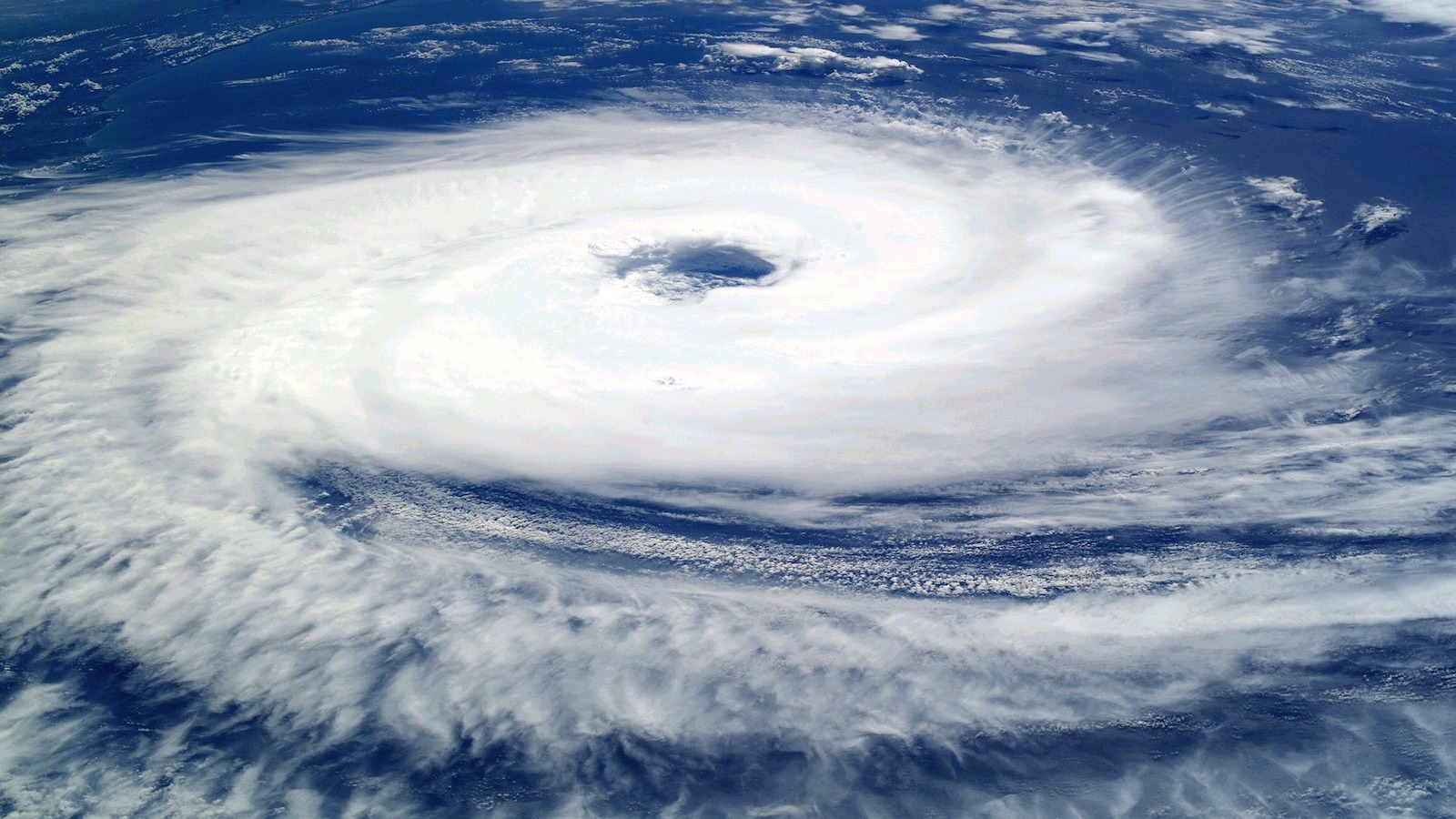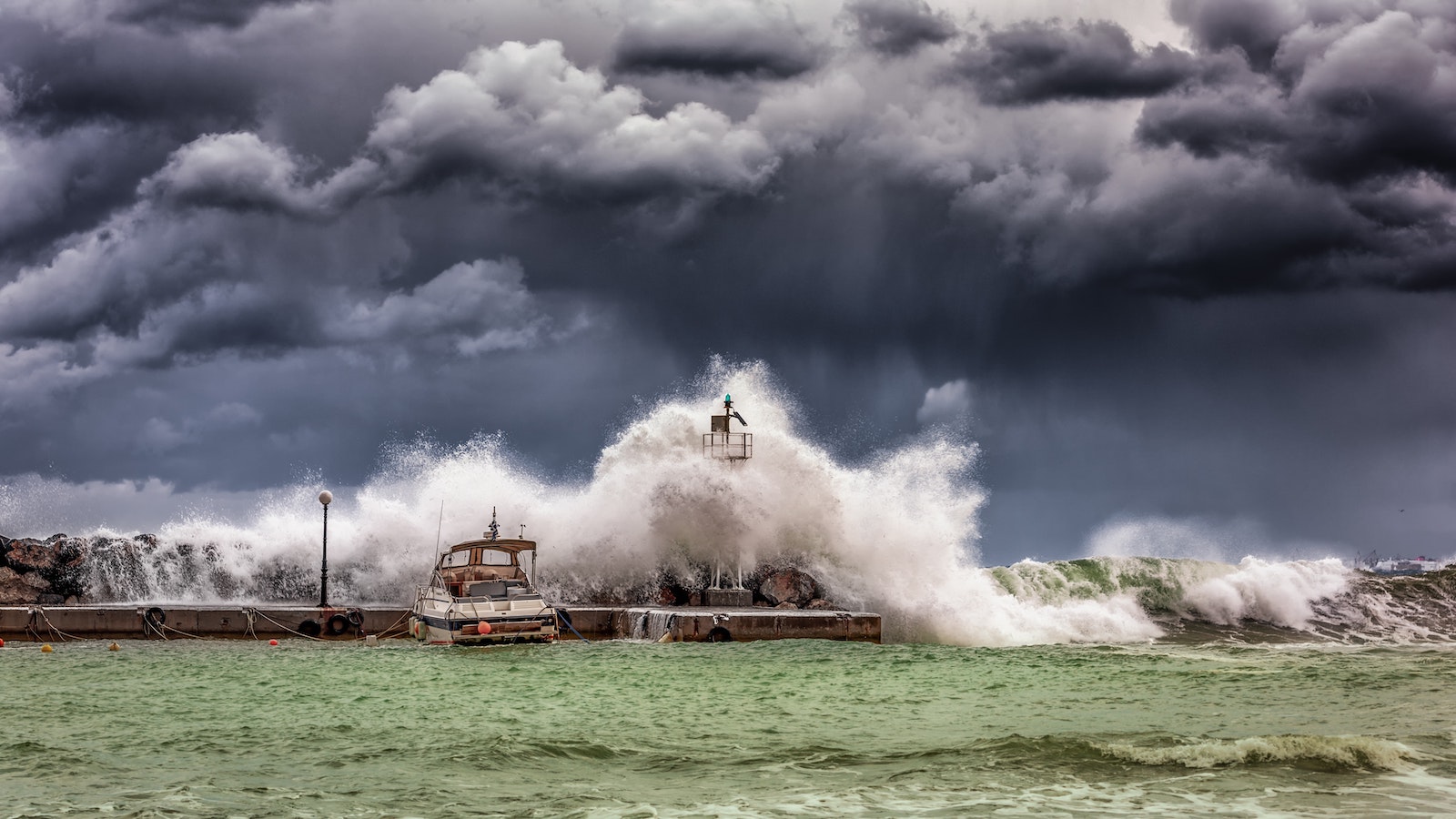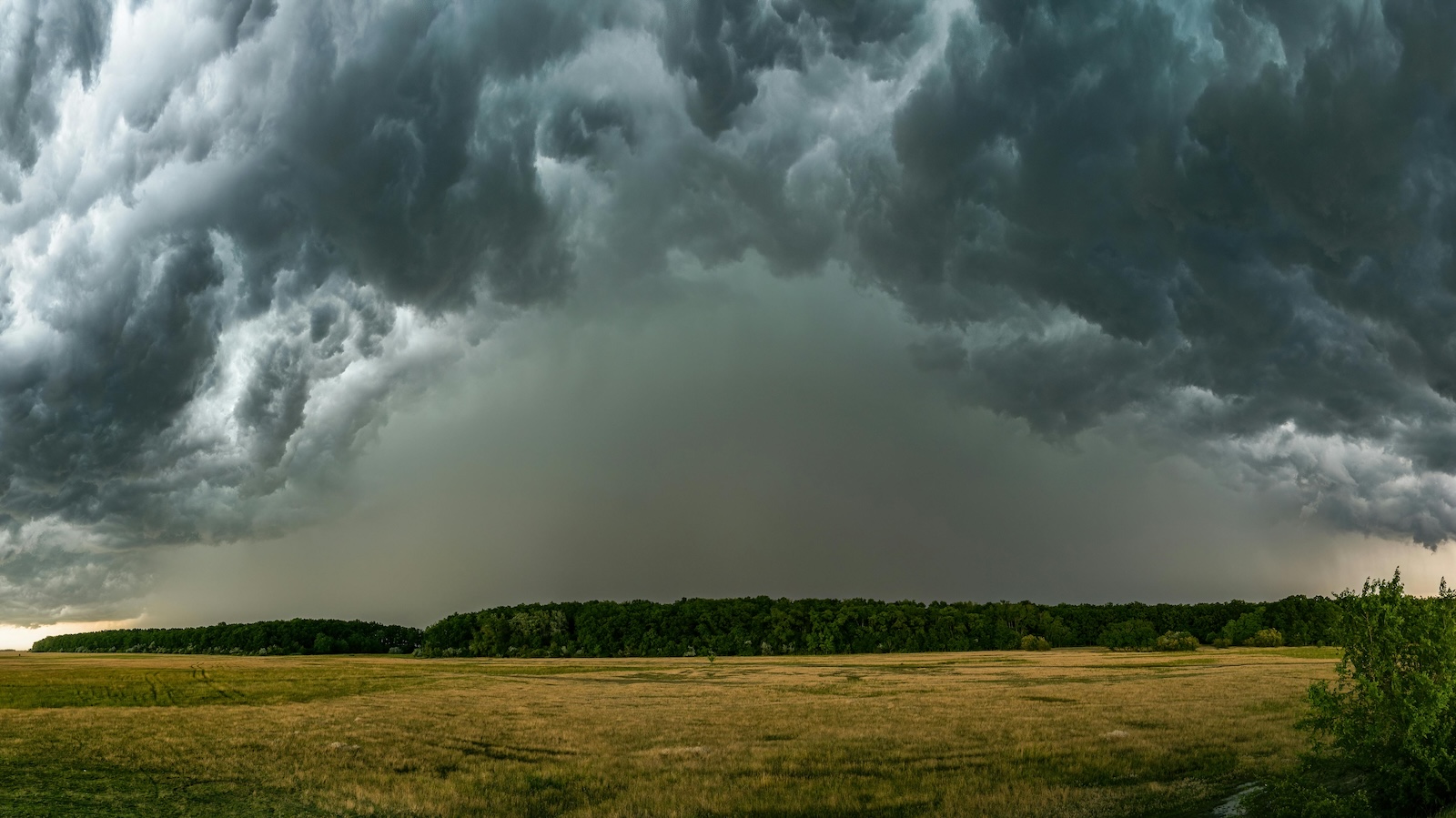
From lightning and downpours to twisters and hailstones the size of tennis balls, severe convective storms (SCS) can manifest in dramatic and destructive ways. A complex cocktail of meteorological factors can lead to their formation, including the rapid ascent of warm moist air into cooler air higher up, and shifts in wind speed or direction.
Unlike regular thunderstorms, SCS must exhibit at least one of the following characteristics: winds exceeding 100kph (62mph), hailstones that are at least inch in diameter, or a tornado. SCS can produce a variety of weather patterns including straight-line winds, derechos, microbursts and macrobursts.
Unlike hurricanes, SCS events can strike with little or no warning, unleashing significant localized damage and triggering knock-on effects such as flash flooding. These unpredictable events have emerged as a major annual loss driver for the insurance industry, accounting for nearly half of all insured natural catastrophe losses last year, totaling over $60 billion.
SCS Losses Increasing
Between 2023 and 2025, losses exceeded $200 billion, according to Gallagher Re. The US is the number one SCS hotspot, accounting for more than 80% of the value of insured losses globally. This trend is reflected in the latest Allianz Risk Barometer where natural catastrophes ranked No. 5, remaining a consistent presence in the annual business risk ranking.
While tornadoes often dominate the headlines, the most significant SCS losses are caused by hailstorms, which are estimated to account for as much as 50%-80% of all losses. Again, the US is the global hotspot for these events, as well as the top loss location for hail claims, but Allianz Commercial analysis shows many other regions have also suffered substantial hailstorm damages.
Building resilience against this peril needs to be on the agenda of every company with exposed assets in high-risk areas. Addressing this peril requires more than traditional scenario planning. New approaches leveraging AI are able to identify physical vulnerabilities in advance, enabling risk mitigation to build resilience.
Inflation and Expanding Footprints Fuel Losses
SCS exposures have been intensified by population growth and development into hazard-prone areas. Rapid urbanization, aging infrastructure and assets, and building codes out of step with current exposures can all heighten the risk and value of losses. The limited spatial footprint and brief duration of SCS belie their capacity for concentrated destruction, particularly in densely populated regions.
After hail, damaging winds are the second major loss driver, consisting primarily of tornadoes and derechos. Severe hailstorms primarily affect buildings – especially roofs – and all kinds of vehicles, which are major drivers of expensive insurance claims. The damage to physical assets from hailstones can be extensive. A baseball-sized hailstone can carry the same kinetic energy as a Major League fastball, reaching speeds of up to 100mph (160kph) or more. Hail-related losses are not only growing in frequency but also shifting in character. What was once considered routine property damage now increasingly involves high-value assets, from aircraft fleets to solar installations, driving claim severity to levels that demand a fundamentally different response, Allianz Commercial analysis shows.
Inflation has driven up the costs of rebuilding and repairing property, an increase that is compounded by supply chain disruptions such as shortages in skilled labor and materials. A clear example of inflation's effect can be seen in the case of roof replacements, which are a significant factor in insured losses from SCS. Since the year 2000, the cost of built-up roof replacements has reportedly surged by 250% in some regions, with costs rising 45% in the last five years alone, according to Willis Re.
Business Must Prioritize Risk Mitigation
Mitigation measures for withstanding SCS will vary depending on the nature of a business's activities and the local weather systems it is subject to. A data center in Tornado Alley in the central US will need different resilience strategies than an automotive dealership in hail-prone northern Spain.
Scenario analysis is essential for assessing risk exposure and building resilience to climate perils. Instead of reacting to losses after a major storm, organizations can now use AI-supported insights to identify weak points in roofs, facades or critical equipment and prioritize upgrades that minimize future damage. This helps organizations understand how different climate futures could affect their assets, operations, and long-term performance.
Scenario analysis can also reveal hidden vulnerabilities, identify possible tipping points, and show how risks may change over time. This forward-looking approach strengthens decision-making by allowing organizations to test adaptation options, focus investments, and design strategies that remain effective under multiple future conditions.
Read the full report at Allianz Commercial Severe Convective Storms.