Every spring, the forecasts roll in, and every year the insurance industry does the same thing. We brace ourselves.
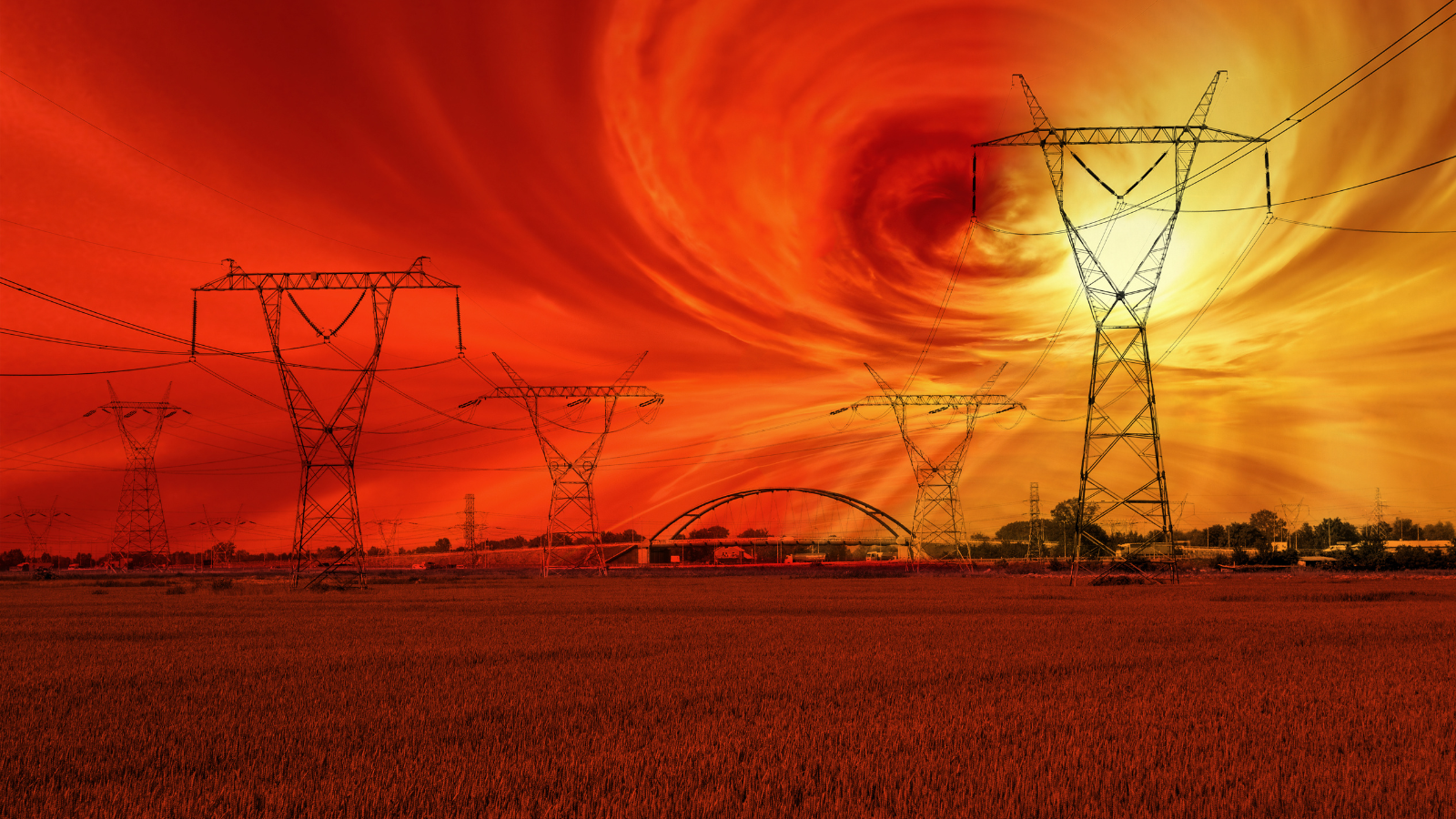
2026 is no exception. The Climate Prediction Center, part of NOAA, recently raised the odds of an El Niño pattern forming to 80%. Some experts are warning of a "super" El Niño that could hold on for a full year. El Niño brings extreme heat, floods, and the kind of volatile conditions that turn straight into claims — wildfires, floods, severe storms, even hurricanes. Over the next 12 months, carriers could see a real surge.
Here is the part that should give every carrier pause. El Niño usually calms the Atlantic hurricane season. Warmer Pacific waters drive up wind shear, and that wind shear holds down the number and intensity of Atlantic storms. Usually. A couple of years ago, El Niño delivered far less wind shear than expected, and paired with record-high Atlantic surface temperatures, we ended up with more than 20 named storms. The U.S. got lucky on landfalls that year. Luck is not a strategy.
And the weather is only half the story. Reduced federal programs, thinner funding, and fewer emergency response teams all push more weight onto insurers to get aid and boots on the ground after a fire or a storm — to help families and businesses actually start to recover. On top of that, fraudsters have discovered AI. Fake photos. Fabricated video of damage that never happened. The claims floor just got more complicated.
So what do we actually do about it? Glad you asked. Here are four moves carriers can make right now.
Start with education.
Most policyholders read their policy exactly once — the day they buy it. Maybe they skim the claims steps when the welcome packet shows up. But unless someone has recently watched a tree come through their roof, they have no idea what they need or how to file. So tell them. Before storm and wildfire season kicks off, run an education campaign for policyholders in high-risk areas. Remind them to keep insurance documents somewhere they can actually grab them in a hurry — go-bags, emergency kits, the glovebox, their phone. Walk them through how to reach you after a disaster, especially when the cell towers are down and the internet is gone. The worst possible time to learn the claims process is in the middle of losing everything.
Invest in claims management.
When disaster hits several regions at once, you need a claims partner who can staff up fast. That is the whole ballgame. Beyond handling the legitimate claims, carriers now have to catch the fraudulent ones — the AI-generated images and video built to slip past a busy adjuster. AI cuts both ways here. It is genuinely useful for scaling claims processing, but it needs guardrails, so that a real human confirms a real person experienced real damage. AI is not going to replace decades of adjuster expertise. What it can do is make good adjusters faster and good operations sharper. The job is finding a partner who holds that balance.
Build your housing network before you need it.
Wildfires, floods, hailstorms — these used to be local problems. A town, a county, a bad week. Not anymore. They have become recurring, national events, and the displacement they cause stretches longer and wider every year. When a family's home is unlivable or a company's building is unsafe to enter, they need somewhere to go, and they need it fast. But when one region gets hit two or three times in a season, or hundreds of households are displaced at once, hotels and short-term rentals and office space dry up in a hurry. If your book has real exposure to El Niño this summer, line up those relocation partners now. Not after.
The time to prepare is now.
El Niño is not projected to fully arrive until summer, but the extreme weather did not wait for the calendar. Tornado outbreaks have already torn across the Midwest and the South. Nebraska battled the largest wildfire in its history. The West broke heat records in March. If last year taught us anything, even a mild hurricane season leaves plenty of room for a record number of other disasters and billions in damage.
We will never know exactly when or where the next one lands. But predictive AI models have made the forecasts sharper than they have ever been, which means insurers are better positioned to respond than ever before. So let us act like it. Educate policyholders with guidance built for their real risk. Invest in the right mix of technology. Choose a claims partner who can scale when the sky falls. The storms are coming either way. The only thing still undecided is how ready we are when they get here.