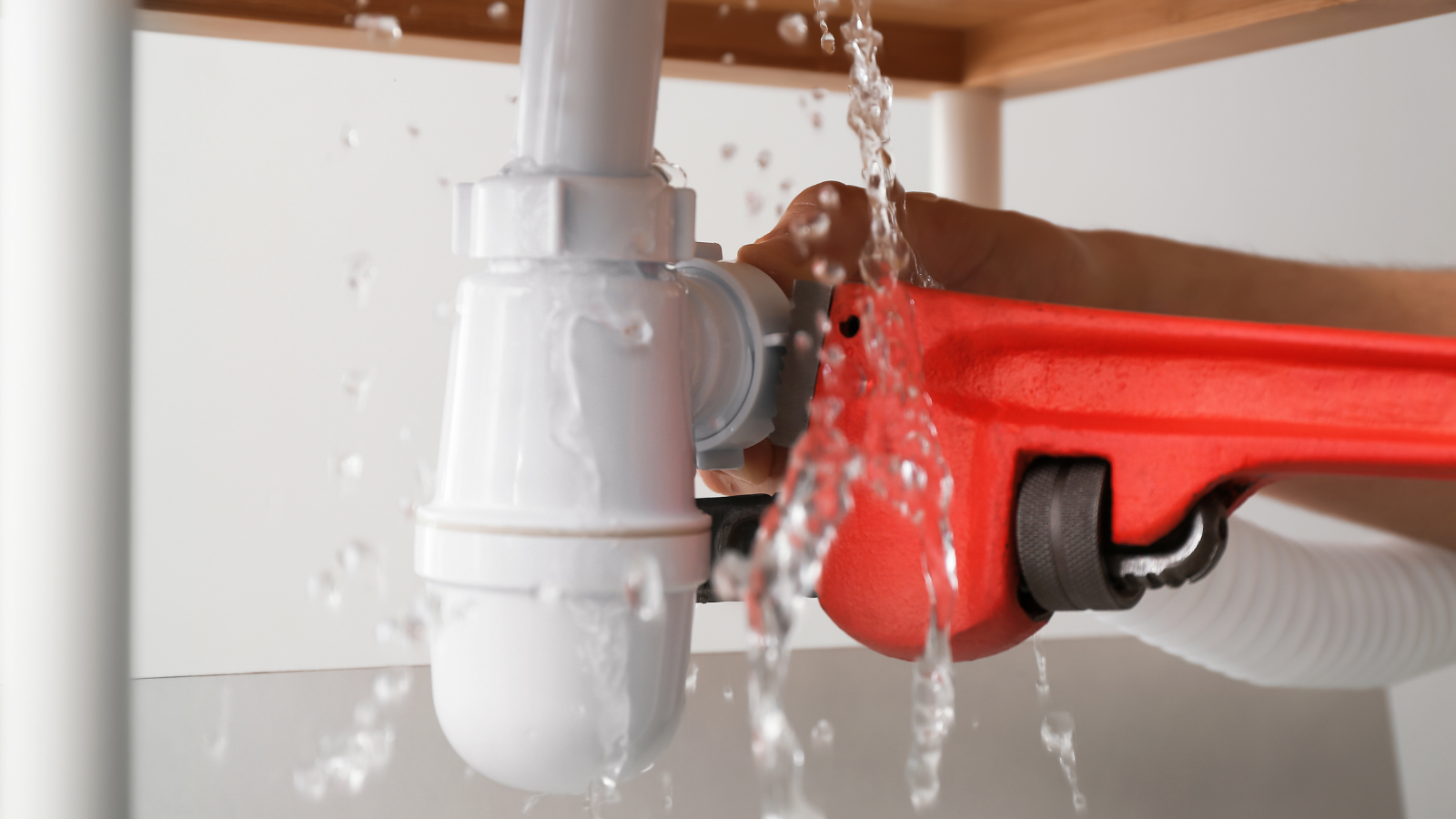


A $12 supply line in an upstairs bathroom failed while the homeowner was away, causing more than $150,000 in damage. Water flowed unchecked for a couple of days, cascading down the stairs, damaging multiple levels of the home and ultimately flooding the basement. The homeowner returned from the trip days later and discovered the leak, but by then, the damage was done. It was far too late to prevent extensive damage and a costly restoration. What makes residential water claims so different from each other and why is understanding these distinctions so critical?
There are three factors that largely determine how severe a home water loss becomes: where the failure occurred, how long the water continued to flow and how much of the home was affected. The first question is usually straightforward: What failed? Was it a washing machine supply line, a toilet connection, a water heater, a leaking pipe joint or something else? Identifying the source is essential. It explains how the claim began and what needs to be repaired. It does not always explain why one loss is relatively contained while another results in extensive structural damage, months of restoration and significantly higher costs.
The second question is how long the water continued to flow. Every hour a leak goes undetected gives water more opportunity to spread through the home, increasing the amount of demolition, drying, reconstruction and replacement required. As labor, material and restoration costs rise, the difference between discovering a leak within minutes and discovering it days later becomes much more significant.
A real-world example helps demonstrate these dynamics. An insurance agent recommended that his client, who traveled often, install an automatic water shutoff valve. When the homeowner went to Italy on vacation, the ice maker in his freezer failed. Water flowed from the freezer onto the floor and throughout the home. After four days, the landscaper noticed water coming from the garage. Turns out, water flooded 70% of the first floor, and even worse, the leak was still flowing.
The final question is how much of the home was affected. When water is confined to a single room, it can often be contained relatively quickly. Water that travels through multiple levels of a home can damage drywall, flooring, cabinetry, insulation and personal belongings, turning a localized plumbing failure into a much larger restoration project.
One of the most consistent patterns in residential water losses is that some of the costliest claims begin on an upper floor. Second-story laundry rooms and upstairs plumbing fixture supply lines, particularly toilet supply lines, can produce severe losses because water rarely remains where the leak begins. It can travel through ceilings, walls and multiple levels of the home before the source is discovered and the flow is stopped. A supply line beneath a first-floor bathroom sink typically presents a very different exposure.
The opportunity to reduce claim severity remains significant. According to research from Parks Associates and Johnson Controls, 26% of U.S. households have experienced water leak damage, yet only 5% of single-family homeowners use a smart leak detection solution. The gap suggests many homeowners still discover leaks only after damage has occurred, rather than identifying problems early.
For carriers, this creates an opportunity to evaluate residential water risk through a broader lens. The type and age of a plumbing component remain relevant, but so do the location of the fixture, the layout of the home and the length of time a leak could continue before it's discovered. Those factors can help carriers identify where early detection and mitigation efforts may have the greatest effect on claim severity.
For agents, the opportunity to provide value extends beyond explaining coverage. Clients often think about water risk in terms of whether a loss will be covered. They spend far less time considering which parts of their home have the greatest potential to produce a severe loss and the broader disruption to their lives if a serious leak occurs.
Agents can help homeowners better understand water risk by looking beyond the plumbing component itself and focusing on the conditions that can turn a small leak into a major claim. Conversations with clients should include:
- Identifying upper-floor plumbing fixtures, particularly second-story laundry rooms, bathrooms and refrigerators with ice makers, where leaks have the greatest potential to affect multiple levels of the home.
- Discussing how long a home is left unoccupied and whether a leak could continue unnoticed for hours or days.
- Encouraging homeowners to replace aging supply lines and other plumbing components before they fail.
- Evaluating whether leak detection, automatic water shutoff technology and continuing monitoring may be appropriate, particularly for homes that are frequently unoccupied, vacation properties or homes with significant upstairs plumbing.
Carriers and agents play different roles, but they share the same objective: reducing avoidable losses. Helping homeowners understand where their greatest water exposures exist before a loss occurs can reduce claim severity and minimize disruption when a leak happens. Understanding what failed will always be an important part of evaluating a water claim. Understanding where it failed, how long it went unnoticed and how much of the home was affected provides a clearer picture of the exposure before a loss occurs. The plumbing component explains how a claim begins, but location and time often determine how expensive it becomes.