Ah, summer vacation season. Your clients are eager to get theirs started. Did they pack their swimsuit, shorts and favorite tropical shirt? Check. Asked someone to pick up their mail and package deliveries? Check. Got all their toiletries and medicines? Check. But before they lock the door and leave the property, there's another item that should always be on their checklist.
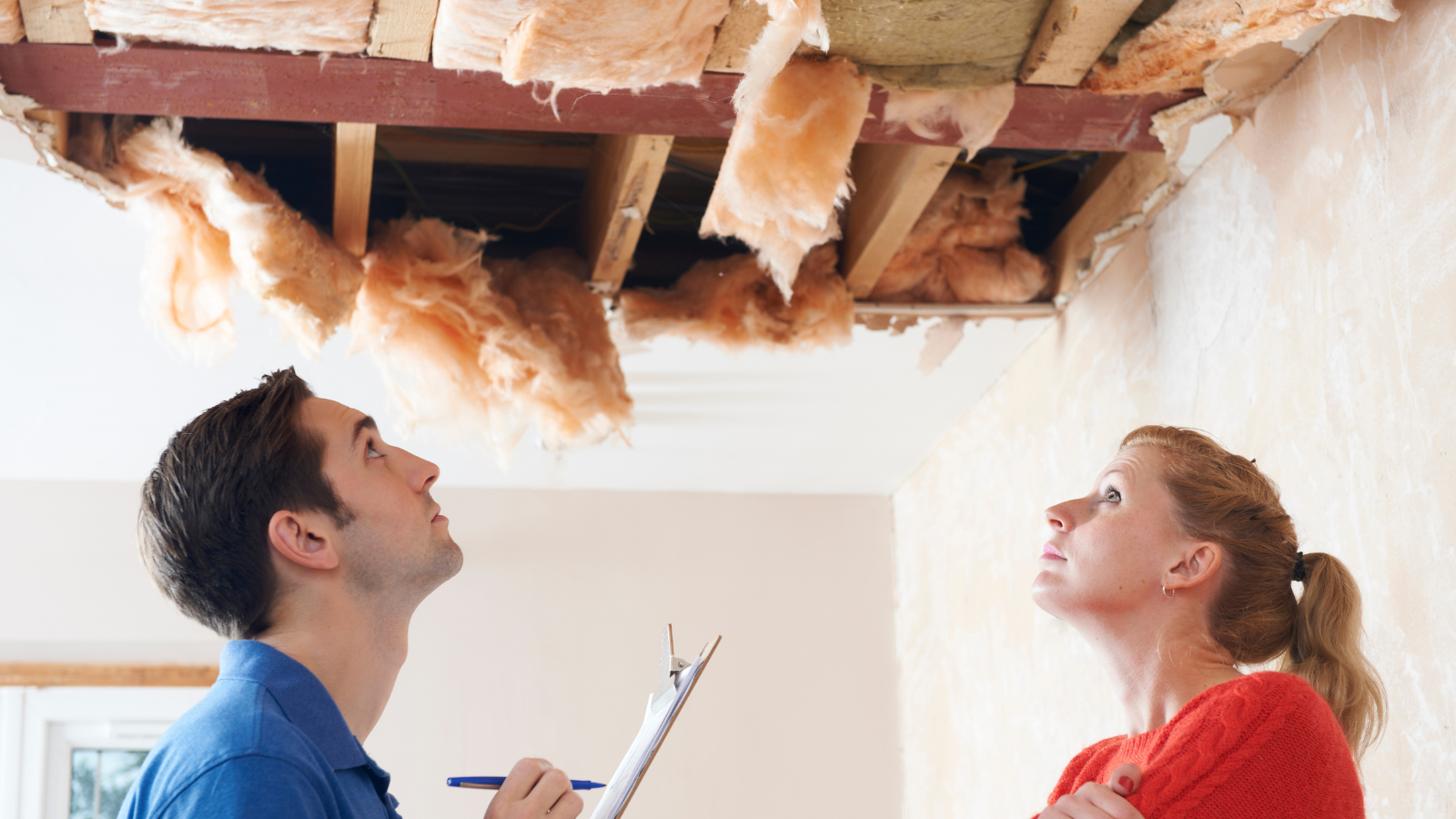
After all, they might be heading to a sunny place near an ocean, river or lake, but when they return home, the last thing they want to discover is a flood in their living room.
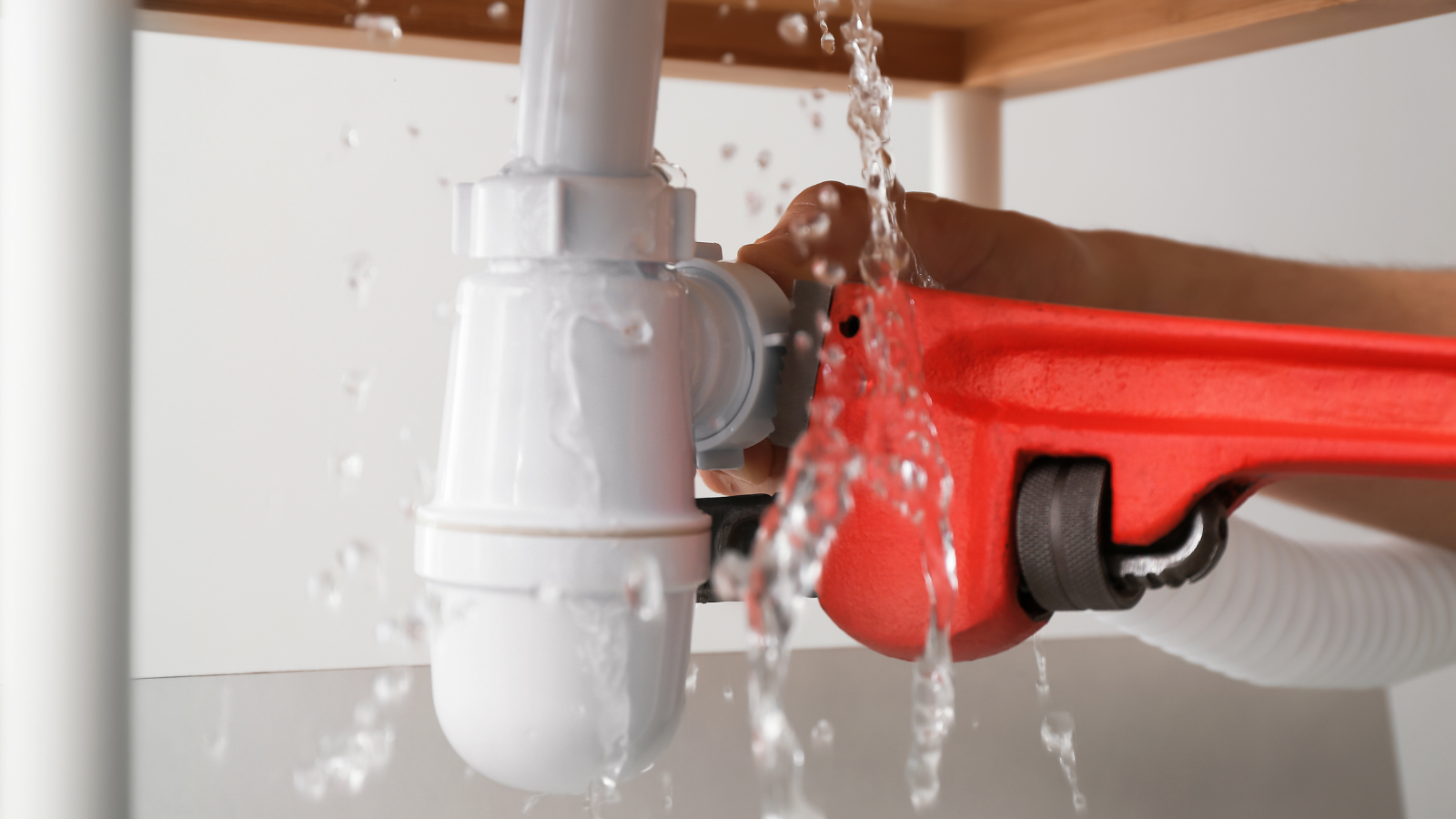
Plumbing accidents can happen any time. Water damage claims cost U.S. insurers close to $13 billion annually, according to the National Association of Insurance Commissioners. Summer travel increases duration-of-loss risk and exposes those unfortunate gaps between assumed protection and actual protection. This is the time for agents to have conversations with clients about simple steps they can take to ensure peace of mind.
Vacant Homes Increase Risk
More than one million non-weather-related water damage claims are filed each year in the U.S., with average losses of around $15,400. In many cases, the issue isn't a major event. It's a small leak that goes unnoticed while no one is home.
Homeowners may associate burst pipes with winter, but the truth is that summer travel season creates its own perfect storm for water losses. Because of longer warm-weather trips, homes sit empty for extra days or weeks and small leaks become major claims before anyone notices. Non-weather water damage claims – cracked pipes, leaky appliances, slow drips – are highest in July and August when vacant homes are insufficiently monitored by travelers.
Smart Water Risk Prevention
While taking other pre-travel precautions, from fully charging doorbell camera batteries to making sure doors and windows are locked, only 22% of homeowners regularly shut off their water main before leaving for summer vacations.
More homeowners are installing smart water shutoff valves, Web-connected devices that learn a home's normal water patterns and cut the main line the moment something seems unusual, recognizing the difference between limited water usage for a shower and unlimited from a leak. These smart systems offer beneficial risk mitigation, whether a homeowner is at the grocery store for an hour or out of the house for weeks.
Insurers provide leak-detection credits for homes with smart water shutoff systems. But just having the technology isn't a secure safety net. As many as 30-50% of these systems are offline, disabled or improperly installed, rendering them unreliable or useless. Installation by itself doesn't equal protection.
Insurance Agents as Trusted Advisors
If technology alone isn't the answer, education is. Agents can help clients reduce loss exposure before a claim occurs, and that begins with regular communication. Prior to the summer travel season and the exposure of vacant homes, agents have the best opportunity to serve as trusted advisors discussing water risk mitigation with clients.
In person, over the phone, through email blasts or mailed guides, agents should be willing to discuss these key recommendations with homeowners:
- Shut off the main water supply before extended travel, when practical
- Know whether the main shutoff valve controls the full property and if it will turn off outdoor sprinkler and drip systems
- Don't assume a leak detection system is functioning just because it's installed
- Verify that smart water shutoff valves are online and have electricity, and periodically check their functionality
- Check sensor batteries, Wi-Fi and notification settings before leaving town
- Check appliance hoses, water heaters and older plumbing before peak travel season
- Avoid leaving HVAC systems completely off in humid climates because moisture buildup can create secondary damage issues
Along with these tips, agents should also encourage homeowners to add emergency contacts to their monitoring systems, confirm that alerts go to the correct phone numbers and designate a nearby responder during long trips if an alert is triggered.
Beyond preventing property damage, these conversations reinforce agent/client relationships. Homeowners increasingly expect guidance from insurance professionals that goes beyond policy renewals and premium discussions. In a competitive market where consumers have many choices for coverage, trusted advice and practical expertise can strengthen retention, boost satisfaction and position agents as long-term partners in protecting homes. Something basic, like a seasonal checklist, keeps you top of mind for clients and helps them avoid costly disruptions and emotional stress.
Because a sunny vacation shouldn't be spoiled by returning home to a watery surprise.