Wealth migration, a topic for living room and board room settings, is typically discussed in terms of a tax perspective. Households with high incomes move from one state to another, and money leaves alongside the relocation. When people make these changes, the resulting economic activity brings new jobs, new developments and celebrations of growth and prosperity.
The insurance industry views wealth migration quite differently. When individuals and families move, they take a substantial portion of their assets with them. These personal assets, including houses, automobiles, boats, art, and jewelry, affect classes of insurable assets. However, wealth migration can also mean moving businesses, affecting employee location and perhaps broader relocation.
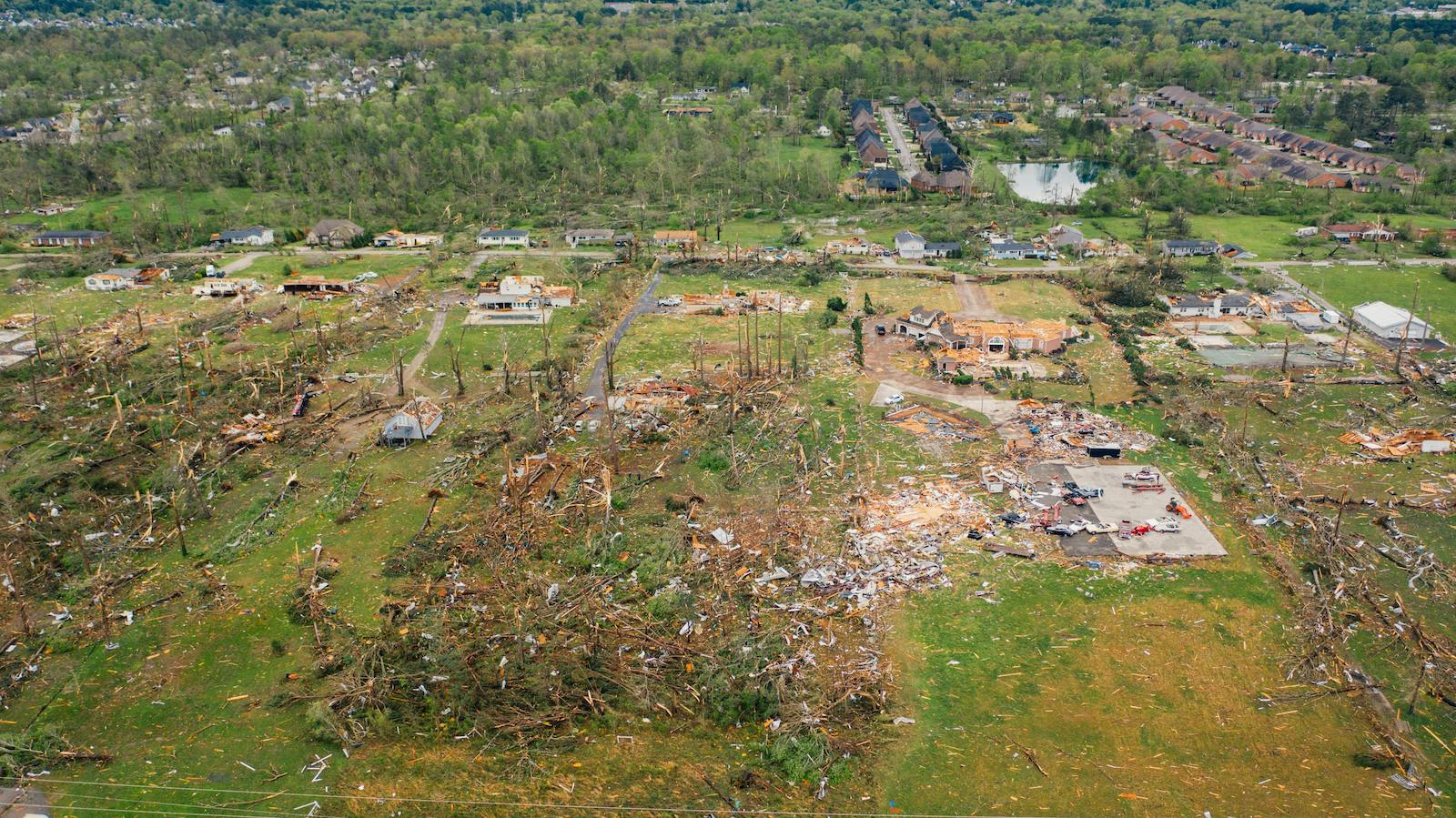
These concentrations of assets tend to cluster in geographic locations that are prone to disasters, such as hurricanes, wildfires, floods, tornadoes and other severe weather events. This ultimately affects the national risk map and the work behind underwriting. The newly exposed assets lead to review of insurance determinations on coverage charge rates, claims payout and the types of coverage available to new and existing homeowners and businesses.
New Concentration, New Risk
Federal tax data tracks income shifts across state and county population moves. Wealth tends to follow fast-growing markets, which attract builders and the development of more luxury homes, condos, office buildings, shopping centers, and commercial projects, increasing the insurable value. This creates a cycle of increasing wealth, alongside increasing insurable value. The imbalanced flow of wealth can be especially dangerous in hazard-prone areas where a single wildfire or storm has the capacity to threaten a larger pool of assets.
National average trends may obscure these local pressures. Commercial property prices decreased by 21-30% during the first quarter of 2026, yet there was ample capacity available within the market. As a result, underwriters were exercising greater scrutiny in evaluating natural catastrophe exposures and challenging risk scenarios.
The distinction is important: migration itself doesn’t drive up premiums. The factors that influence each outcome include location, construction quality, past losses, policy limit levels, reinsurance arrangements, litigation exposure, and catastrophe models used to estimate potential future loss scenarios.
The Reach of Impact Is Beyond Pricing
Carriers experience an increase in aggregation exposure due to more concentrated value in one region. A single catastrophic event affects a larger number of policies, resulting in potentially larger losses. These pressures influence carrier appetites, limit sizes, deductible levels, and the amounts of risk transferred via reinsurance contracts.
Brokers face difficult conversations with clients expecting broad protection at familiar prices, and businesses experience similar pressures, albeit in different ways. More often than not, premiums charged to companies prior to the start date of the policy pull significant amounts of cash away from payroll, inventory replenishment, purchasing new equipment, or expanding operations. Even businesses generating profits can't afford to allocate resources away from day-to-day operational expenses.
Household members experience similar financial constraints through increased replacement values and limited coverage options. The effects of wealth migration extend beyond the affluent individuals who initially relocate. The ripple effects of the migration put additional strain on the local employers, workers, and established residents, who all share participation in the same insurance and property markets.
The Global Perspective
In addition to domestic wealth migration patterns, cross-border movement introduces additional complexity. Research shows that in the first five months of 2026, nearly 50 investment migration programs received applications from individuals representing almost 90 countries. Over 28% of applicants currently reside outside of their country of citizenship, complicating the relationship between legal residency and risk signals.
For example, a citizen of one country may own real estate in two countries and operate a business in yet a third country. Likewise, they may insure valuables that travel internationally. As such, investment migration programs require consideration of laws regarding citizenship, visa requirements, residency, as well as currency exchange fluctuations, differences in valuation standards, and differences in catastrophe exposures between countries.
Global studies estimate that the current protection gap totals approximately $183 billion. With continued wealth migration across international boundaries, insurance programs must now follow assets rather than simply relying on a resident's address.
What the Market Needs
Insurers require better-defined maps of asset concentrations, not generic assumptions. Underwriting property values and geospatial information combined with scenario-based testing and location-specific risk control measures allow underwriters to understand where concentrations exist. Brokers need earlier access to discussions regarding policy terms, exclusions, deductibles, and payment timing. Insured parties require transparency regarding total insurance costs.
Payment structure belongs in that response. Premium finance spreads a large upfront insurance expense across scheduled payments. It leaves the underlying risk and price unchanged, and the value rests in timing.
For businesses absorbing changing property values or volatile renewal costs, installments preserve working capital and align insurance expense with operating cash flow. Specialized providers also bring billing, servicing, and compliance infrastructure designed for insurance transactions. That support gives brokers and insureds another tool for maintaining coverage without redirecting capital from daily operations when ballooning insurance costs begin to affect the cash flow budget.
Tracking Where Wealth Migrates
Wealth migration keeps redrawing the risk map. The insurance industry needs to track where assets move, how value concentrates, and whether coverage structures still fit the exposure. Follow the assets, measure the concentration, and build flexibility into both coverage and payment. Growth creates opportunity, but resilience depends on preparation long before the next loss.