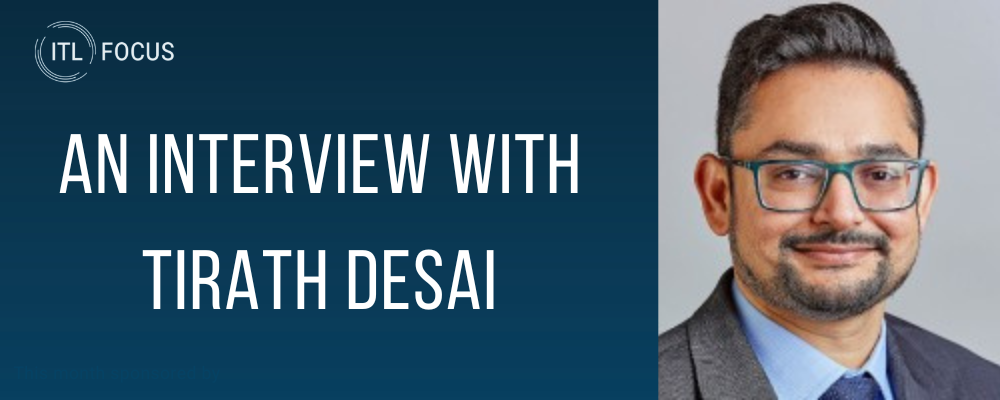
Workers' compensation has always been a line of business defined by complexity — rising medical costs, shifting workforce dynamics, mounting litigation, and an ever-changing regulatory landscape. But a new force is reshaping how carriers approach every piece of that puzzle: generative AI. For many insurers, especially state-affiliated funds shifting to mutual models, the pressure to grow and differentiate has never been greater. The old playbook — focused, single-state, single-line — is no longer enough. Carriers are sitting on significant capital while their core books contract, and the question on everyone's mind is: what's next? This month, we explore that question through a conversation with Tirath Desai, PwC's insurance core transformation and AI lead, about where GenAI is already delivering real advantage — and where the road ahead still requires careful navigation. From reimagining the claims experience for injured workers, to streamlining fragmented payment processes, to using AI-powered visual data to prevent accidents, Desai lays out a vision of workers' comp that is faster, smarter, and — crucially — more human-centered. He also tackles the ecosystem question head-on: No carrier can build everything alone, and the winners will be those who know where to invest and where to collaborate. Whether your organization is just beginning to explore AI or looking to move beyond isolated pilots, Desai's advice is clear: think bigger, build governance first, and get your data house in order. Read the full interview to find out how to position your organization for what's next. |