December 2025 ITL FOCUS: Workers' Comp

ITL FOCUS is a monthly initiative featuring topics related to innovation in risk management and insurance.

workers comp itl focus


FROM THE EDITOR

When people talk about how AI can make business operate more efficiently, they tend to think in terms of cutting costs, but I hear something else, too: speed.

Sure, policyholders want cost taken out of the claims process, knowing that the savings will eventually be passed along in the form of lower premiums, but what they really want is to have their claim resolved promptly and to receive payment quickly, so they can get on with their lives.

The need for speed is especially great in workers’ comp. A person is injured and may be isolated at home, which can be disorienting both financially and psychologically. The person needs (and deserves) to feel valued, which not only means prompt attention from a boss, the insurer and medical personnel but also means wrapping up all the details as soon as possible. The injured worker will sleep better once everything is resolved. Employers and insurers will, too, if they find themselves wrapping up more cases before the lawyers get involved.

Looking back at the articles on workers’ comp I’ve published over the years, I see loads of progress. Insurers have become much better at triaging cases, so they can spot those that are most likely to escalate into a courtroom—helping manage costs while giving more injured workers the attention they want. Insurers have also improved how they use technology to detect fraud, again cutting costs while helping workers and employers by reducing the need to increase premiums. More recently, technology has been enabling a move to a Predict & Prevent model: Innovators are, for instance, using cameras to monitor workplaces and construction sites and spot potential problems so managers can work with employees and head off accidents.

Now comes generative AI, which will take another whack at costs while benefiting everyone by expediting the handling of a worker’s claim.

Connor Atchison, CEO of Wisedocs, says in this month’s interview that AI is already cutting claims handling times in half, and the technology is just getting started. He does provide some words of caution, both based on his experience with AI and on a recent survey Wisedocs conducted. For instance, he says you have to focus not just on getting the right answers with your AI but have to work to build trust in those results. He says a survey found that keeping a human in the loop increases trust in the AI by 4X—but the human has to be in the loop at the right spot.

Whether you’re focused on using AI to cut costs or, like me, more interested in how much it can speed workers’ comp claims, I think you’ll find the conversation with Connor enlightening.

Cheers,

Paul


An Interview

How AI Can Transform Workers' Comp

Paul Carroll

At ITL, we've been encouraging the insurance industry to move to a Predict & Prevent model and away from the traditional repair-and-replace approach. Workers' compensation has been a poster child as organizations make remarkable strides in reducing workplace injuries. But there's significant complexity below the surface. What are the key challenges around volumes, documentation, staff shortages, and legacy systems?

Connor Atchison

I think you summed it up right there. It's the culmination of all of these things over decades that are making things slower and more cumbersome. We have gaps in knowledge as we strive for better care outcomes—to get that worker back to work and make sure we're spending the right amount of money on the right treatment to make that happen.

There are definitely issues around legacy systems. Workers' comp, even more than other insurance lines, is still a little bit behind. But they're catching up and adapting, and they're seeing the need, which is great.

read the full interview >
 

MORE ON WORKERS' COMP

The Future of Workers’ Comp

Workers' compensation systems need cloud-native transformation to address modern workforce challenges and rising claim severity.
Read More


Warehouse Tech Transforms Risk Models

Connected warehouse technology forces insurers to abandon static risk models for dynamic, data-driven assessments.
Read More


phones

When 2 Records Walk into a Claim…

Workers' comp systems designed to catch duplicate records miss 62% of them, creating costly inefficiencies.
Read More


hands in a meeting

Strategies to Fight Workers' Comp Fraud

Advanced AI and predictive fraud models transform workers' compensation fraud detection from costly burden into a strategic risk management advantage.
Read More


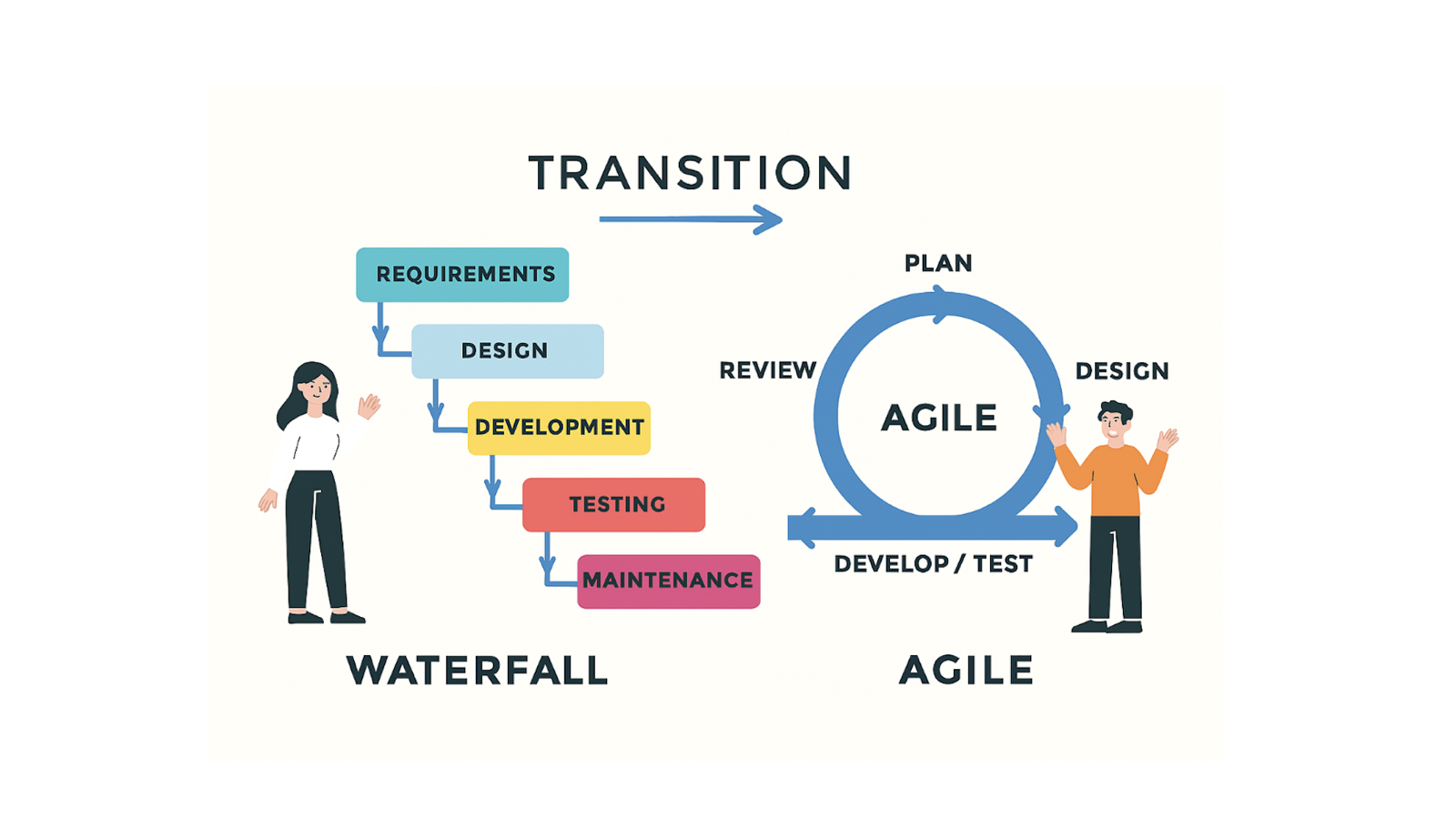
Reengineering Workers’ Comp Products With Agile

Workers' compensation insurers must shift from inflexible waterfall development to agile frameworks, which promise enhanced collaboration and responsiveness.
Read More


megaphones

What Medical Inflation Means for Workers’ Comp

Healthcare inflation surges past general price trends, pressuring P&C carriers to adopt data-driven claims strategies.
Read More


FEATURED THOUGHT LEADERS

James Benham
 
Ellie Gabel
Tiffany Norzagaray
Roberta Mercado
 
Lavanya Rajamani
Pragatee Dhakal


Insurance Thought Leadership

Profile picture for user Insurance Thought Leadership

Insurance Thought Leadership

Insurance Thought Leadership (ITL) delivers engaging, informative articles from our global network of thought leaders and decision makers. Their insights are transforming the insurance and risk management marketplace through knowledge sharing, big ideas on a wide variety of topics, and lessons learned through real-life applications of innovative technology.

We also connect our network of authors and readers in ways that help them uncover opportunities and that lead to innovation and strategic advantage.

MORE FROM THIS AUTHOR

Read More