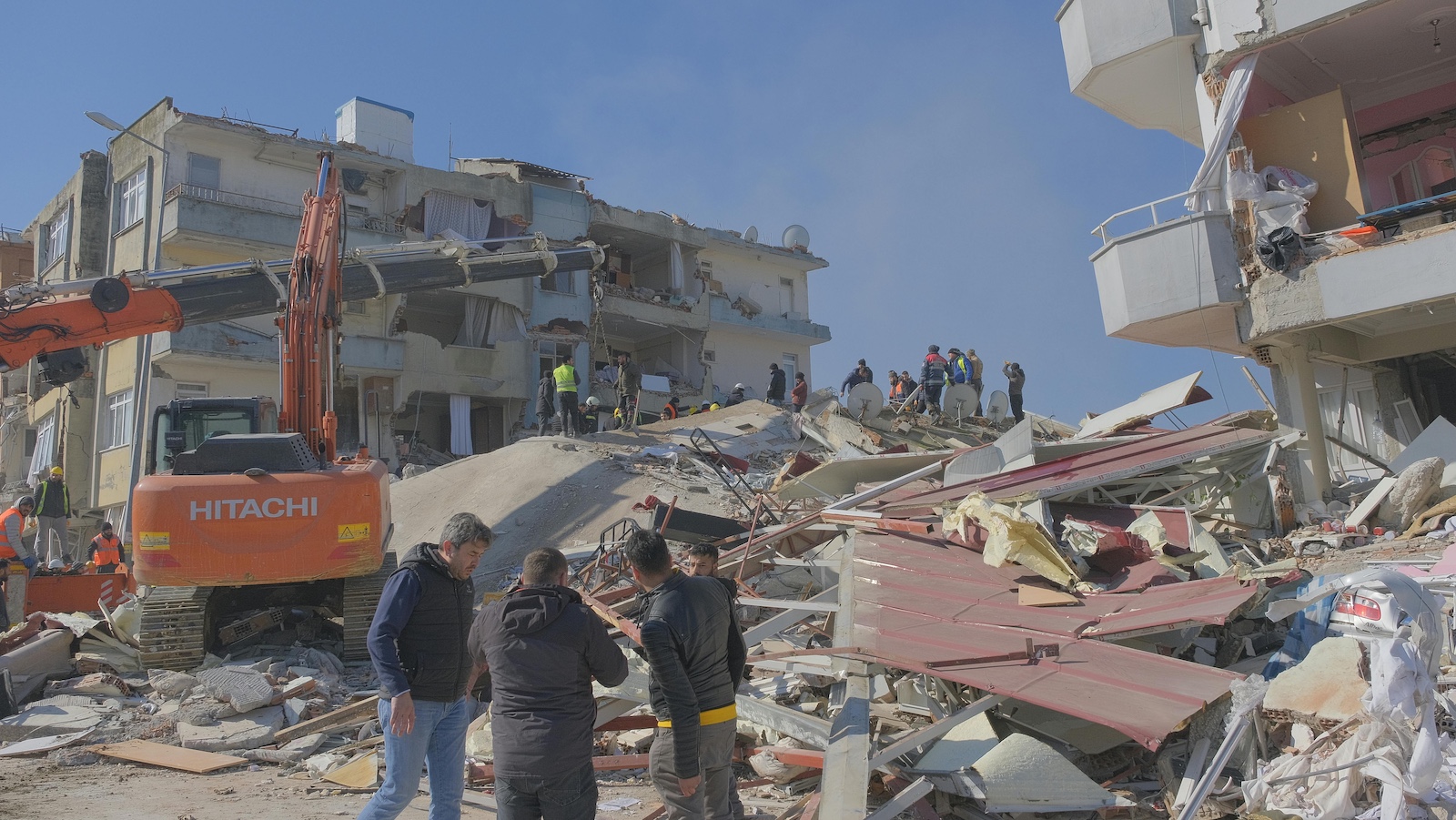
Catastrophic events no longer feel rare, and the trend has moved far beyond what businesses once planned for. Over the last decade, the United States averaged nearly 19 billion-dollar disasters each year, but recent seasons have pushed well past that baseline. NOAA’s National Centers for Environmental Information recorded 28 such events in 2023 and 27 in 2024, a stark shift from the 1980s when the country saw only about three annually. The financial toll has climbed just as quickly, with losses from 2020 through 2024 averaging $149 billion per year, about 50% higher than the previous decade. These patterns are redefining what catastrophic risk looks like and challenging long-held assumptions about how often businesses can expect major disruptions.
As the ground shifts, companies that once planned around familiar cycles of storms, fires or floods are now confronting events that fall outside historical patterns. The frequency, intensity and unpredictability have changed, and the insurance system built on those past patterns is adjusting in real time. Carriers are reassessing their ability to absorb these losses, and many businesses are finding that the coverage they relied on a decade ago is no longer guaranteed.
A market adjusting in real time
The commercial market isn't simply "hardening." It's recalibrating. Carriers are confronting losses that strain decades of assumptions, and the adjustments are landing squarely on policyholders. Reinsurers increased rates after several consecutive years of heavy catastrophe losses, and carriers passed those costs down the line.
Models that once guided underwriting with confidence now struggle to predict what a season will look like. As a result, insurers have taken steps that affect companies of every size, even those with long relationships and disciplined risk management histories.
Those steps include:
- Cutting limits or declining coverage in regions prone to catastrophic weather
- Raising premiums for property and business interruption programs
- Adding exclusions tied to infrastructure failures, utility outages or wide-area events
- Requiring higher deductibles that shift more exposure back to the business
These changes reflect market realities, not a lack of commitment from carriers. But the outcome is the same: businesses face a widening gap between the risks that threaten their operations and the coverage that remains available.
Catastrophe looks different than it did even a decade ago
Today's catastrophic events aren't limited to the storms or wildfires that dominate headlines. Businesses are experiencing losses through disruptions that don't always produce physical damage but still create significant operational fallout.
A regional power grid failure can shut down production for a week. A port closure can stall shipments and freeze revenue. Smoke from distant fires can force evacuations or limit facility access. Even a minor storm can disrupt transportation networks enough to halt essential deliveries.
For some companies, especially mid-size operations, even a short disruption can derail revenue targets or strain cash flow. Many later discover those losses don't fit the triggers in their commercial policies.
When coverage no longer matches the risk
The shift in catastrophic risk has exposed a structural gap. Traditional policies were designed for events linked to clear physical damage. But the biggest financial pressures today often stem from indirect losses: supply chain interruptions, extended downtime or infrastructure outages that fall outside standard policy language.
Companies now face the possibility of:
- Uninsured business interruption when utilities fail
- Supply chain breakdowns that halt production but do not trigger property coverage
- Delays caused by transportation failures that fall outside conventional business interruption terms
- Vendor or contractor failures that create cascading operational consequences
The result is a landscape where businesses carry far more risk on their balance sheets than they did a decade ago, often without realizing how exposed they are until a disruption occurs.
How businesses are adjusting their approach
No single strategy solves this challenge, and companies are not walking away from the commercial market. They still rely on traditional policies for core protection. But many are broadening their risk management approach to address exposures the market can't or won't take on.
One of the clearest trends is that more companies, including mid-size businesses, are evaluating ways to finance retained risk. That includes expanding deductible layers, building internal reserves and, for many, exploring captive insurance structures that allow them to address operational exposures that are difficult to insure elsewhere.
A captive isn't a replacement for commercial insurance. It's a tool that helps companies take control of risks that fall through the cracks. When designed correctly, it supports recovery from disruptions that create financial pressure even without physical damage.
Why this shift matters
Businesses operate in an environment where catastrophic events have outpaced the insurance system built to cover them. The market is doing what it needs to do: adjust, correct and protect solvency. But that correction forces companies to rethink what resilience looks like.
Executives are asking new questions:
- What happens when a catastrophe affects operations but does not trigger a claim?
- How much financial exposure sits outside the commercial program?
- What mechanisms exist to fund losses that commercial policies exclude?
- How can the business recover quickly without waiting for external aid or slow claim processes?
These questions are driving strategic conversations that didn't exist a decade ago, especially among companies that cannot afford extended downtime.
Planning for volatility, not predictability
The path forward requires a more flexible approach to risk financing. Businesses are developing programs that combine traditional coverage with internal mechanisms designed to respond to catastrophic exposures the market excludes or restricts.
For many, that includes:
- Assessing where catastrophic risk exceeds available coverage
- Quantifying operational vulnerabilities that don't trigger standard policies
- Considering alternative financing tools, including captives, to bridge the protection gap
- Building long-term strategies that reduce reliance on unpredictable market cycles
Companies that take these steps move from hoping the market will respond to preparing for a reality where disruptions are more frequent, more complex and more costly.
The bottom line
Catastrophic events are no longer rare, and insurance structures built around predictable patterns can't always keep pace with today's volatility. Businesses that want to remain resilient must look beyond traditional coverage and consider additional strategies that help them withstand disruptions that threaten operations.
Captives play a role in that shift, not as a cure-all, but as a practical tool for financing the risks the commercial market can't absorb. The companies that adapt now will be better positioned to stay operational in a landscape where catastrophe is a continuing part of doing business.