Political risks and violence have climbed to number seven in the annual Allianz Risk Barometer 2026, its highest position ever, highlighting the fact that such perils have joined mainstream business risks in a world of tumult. According to the new Political violence and civil unrest trends 2026 report, war has overtaken civil unrest as the political violence exposure companies fear most (53% of all respondents globally), as conflicts in Europe and the Middle East disrupt global trade flows, strain political alliances, embolden adversarial powers and heighten risks to business assets. Civil unrest ranks at number two globally (49%), terrorism/sabotage is at number three (46%).
The U.S./Iran conflict is currently dominating news cycles, having disrupted the global economy significantly. Businesses affected by armed conflict face significant challenges, including supply chain disruptions, loss of market access, and the risk of cyber-attacks and sabotage, the report says. Even before the Iran war, it is estimated that business assets had experienced a 20%+ increase in exposure to conflict in the last five years. For the insurance industry, and especially the political violence and terrorism (PVT) business, the war in the Middle East may lead to significant losses in some areas and new risk assessments for selected key industries and regions. Based on current estimates, the financial loss quantum has the potential to result in a costlier event than PVT claims resulting from the war in Ukraine.
Civil unrest and sabotage remain significant concerns for companies
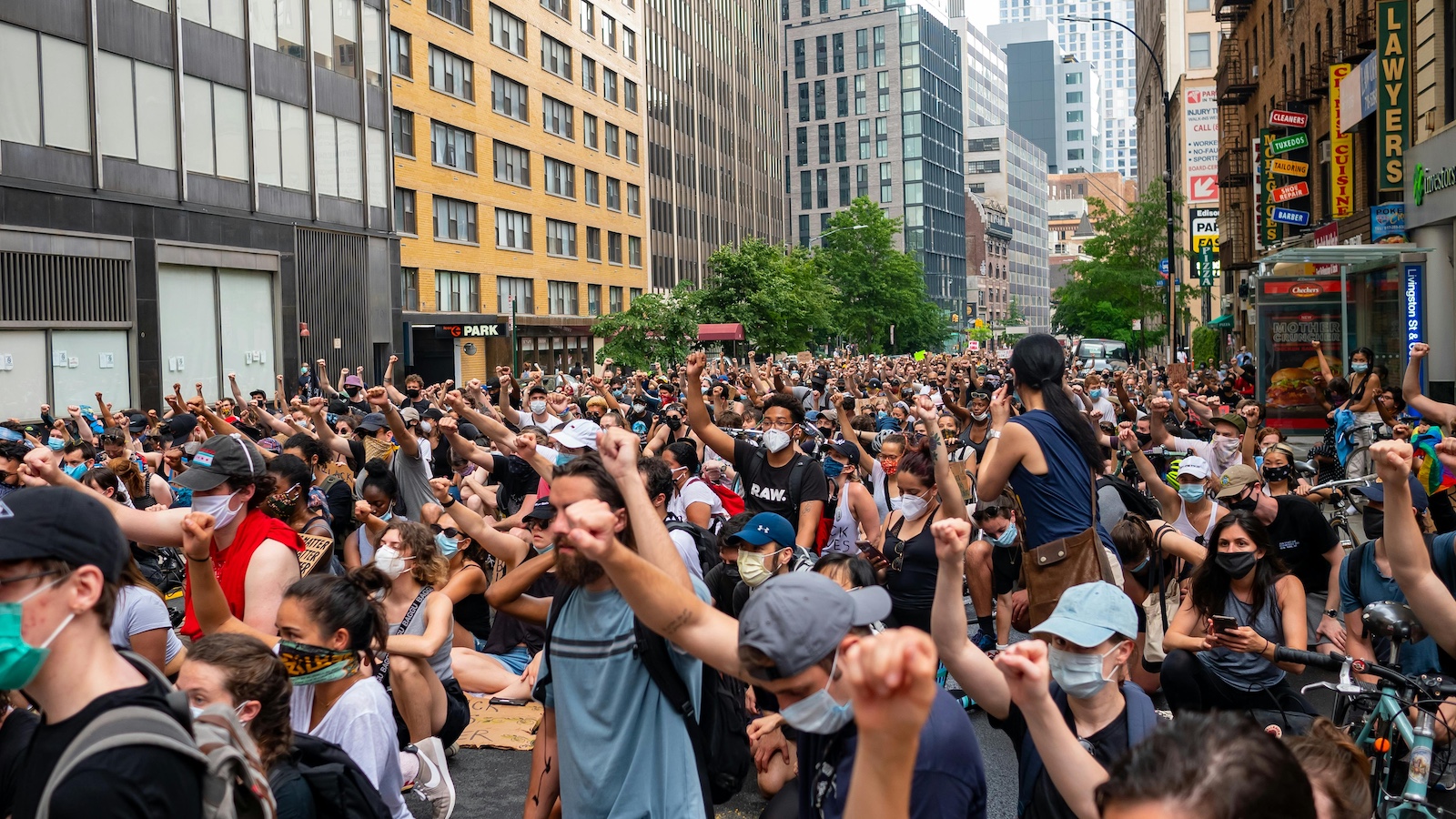
Allianz Research has tracked around 250 reported strikes, riots, and civil commotion (SRCC) events over the last five years with active participation exceeding 1,000 people and lasting for more than one day. Pakistan experienced the most SRCC events with 11, followed by Indonesia. Other countries that experienced a high number of events include the U.S., Greece, Tunisia, Hungary, Iran, and India. Economic pressures, including cost-of-living issues, are fueling protests and strikes worldwide, with citizens demanding better governance and economic reforms. Most public protests around the world are peaceful, but significant insured losses occurred as a result of major unrest events in 2025. The Indonesian riots in August incurred over $50 million in insured losses, while Nepal’s September protests could see insured losses higher than those caused by the catastrophic earthquake of 2015, which were more than $200 million. Depending on the duration of the conflict in the Middle East, a heightened risk of SRCC activity is also to be expected, particularly in countries heavily reliant on Middle Eastern oil and gas or fertilizers.
At the same time, acts of sabotage, including state-sponsored ones, have increased sharply in the last 18 months. On the global stage, the last four years have seen a surge in targeted and malicious attacks on critical infrastructure, such as undersea cables by advanced persistent threat (APT) actors. These are usually sponsored by organizations or rogue states including Russia, which is very active in this gray area. Such attacks don’t necessarily cause widespread damage, but they can disrupt daily life and business activities, resulting in the allocation of valuable resources to policing and monitoring critical infrastructure.
Adaptation and resilience more important than ever
With geopolitical upheaval, economic pressures, and social media all amplifying the threat of political violence, the potential fallout can lead to substantial economic and insured losses, challenging businesses and their insurers. The pattern of protests and violence in recent years has clearly shown that some industries and occupancies are much more vulnerable to the full spectrum of political violence perils, but any organization can be affected. One of the most severe PVT risks is the threat of business interruption (BI), which could lead to substantial economic and insured losses, challenging businesses, and their insurers. Adaptation and building resilience are therefore crucial for businesses of all sizes.
The U.S. / Iran conflict is likely to have a significant impact on risk mitigation moving forward. According to the Allianz Risk Barometer, prior to the conflict just over a third (35%) of companies were already exploring nearshoring and evaluating domestic manufacturing options, 32% were looking to improve inventory management, including storing inventory in free trade zones, and almost half (49%) were looking at renegotiating and diversifying supply chains, as strategies to adapt to shifting geopolitical risks. Such trends will likely be accelerated by the conflict.
As we navigate this era of heightened uncertainty, understanding the implications of these risks and mitigating them in our interconnected business ecosystems has never been more critical. Insurance has a key role to play in this regard, and demand for political violence insurance continues to grow. We see an elevated level of interest and more buyers than ever in this space. Clients are broadening their coverage to better fit their risk footprint. This is a big shift from the market and buyer behavior we saw before the war in Ukraine, and which is now amplified by subsequent events.
To read the full report, please visit Political violence and civil unrest trends 2026.