Download

Making Data Work Means Ending Silos

In workers' comp, data is too often used after the fact, in investigations. Data must be integrated early and used throughout the claims process.

sixthings
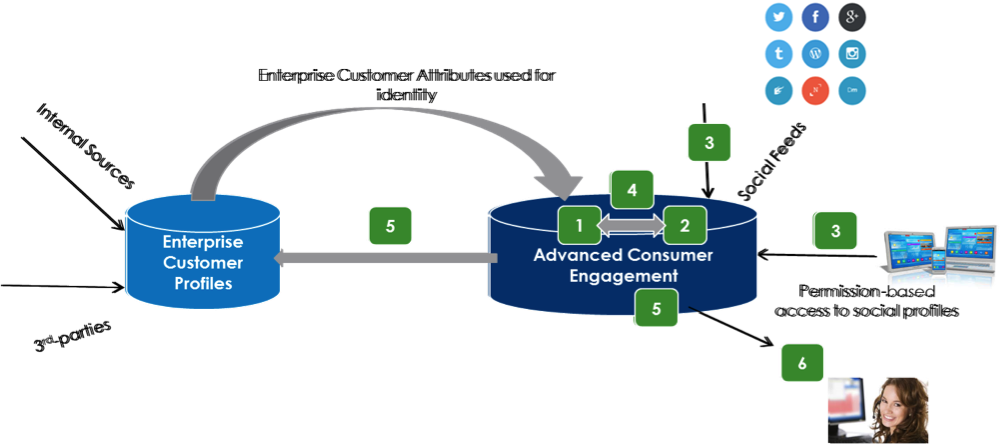
According to a recently published white paper by LexisNexis, data makes all the difference. The article, “More Data, Earlier: The Value of Incorporating Data and Analytics in Claims Handling,” states that carriers can reduce severity payments by as much as 25%. The article further states that “PC carriers have implemented real-time data and analytics to enhance risk management, streamline processes and reduce costs. Yet historically within the claims function, data and analytics have mostly been isolated in the special investigative unit (SIU). LexisNexis believes that carriers should use data and analytics as an operational tool first and an investigatory tool second. We conducted a study to investigate the effect of having more data earlier in the claims process and found that claims with more data are resolved faster, with lower overall costs.” The study is about bodily injury claims, not about workers’ compensation, but the findings can logically be extrapolated. Applying data early and throughout the workers' compensation claims process will result in lower costs, efficiency and improved outcomes. Early data In worker’ compensation, early and comprehensive data is available. The first report of injury (FROI) from the employer and, in many states, the treating physician launch the data-collection process. The claim is set up in the payer’s system and continually fed by additional data. Bills from medical providers and others are streamed through bill-review systems, then to claims systems. Events such as litigation, court dates and bills paid are documented in the claims system. Pharmacy is managed by the PBM (pharmacy benefit management), thereby setting up an additional database for the claim. Most systems also collect data on utilization review and medical case management. The question is not the data, but what is done with the data. How can it be applied? Unfortunately, in workers’ compensation, voluminous data sets often remain in separate silos. The focus in workers’ compensation for the last 25 has been on collecting the data. Now the question is, how to make data an operational tool and achieve the kind of positive results reported in the LexisNexis study. Doing so requires a different approach to data management. Integrating data Making data a useful work-in-progress tool is a matter of first integrating the data. This is not as difficult as is often portrayed by many IT departments. Nevertheless, the request and funding must come from the business units, where data integration is also not usually a priority. Until business managers understand the value of converting data to actionable knowledge, little will be done. Making data useful The data must be analyzed and re-presented to the business units in ways that can be easily accessed, understood and applied. The data is transformed to knowledge: about conditions in claims, approaching benchmarks and performance of vendors. It is the knowledge that is actionable, not the data. To achieve measurable cost savings, continuously monitor the integrated data, analyze it and re-present it to the business units in the form of understandable knowledge, thereby making it actionable. Individuals can be prompted by the system to take specific actions based on the knowledge, thereby creating a structured and powerful approach to claims management with measurably positive results.

Karen Wolfe

Profile picture for user KarenWolfe

Karen Wolfe

Karen Wolfe is founder, president and CEO of MedMetrics. She has been working in software design, development, data management and analysis specifically for the workers' compensation industry for nearly 25 years. Wolfe's background in healthcare, combined with her business and technology acumen, has resulted in unique expertise.

A Crazy Tale: Beauty and the Feet

After competing in two pageants while collecting workers' comp for an injury that kept her off of her job, a woman is charged with fraud.

From the "you can't make this stuff up" department: A beauty pageant contestant in California has been arrested and charged with workers' compensation fraud after participating in two beauty pageants while collecting workers' comp for an injury that prevented her from performing her job. The 22-year-old woman was charged with three felony counts of defrauding an insurance company. She is apparently out of jail on $5,000 bail. Her family is vehemently denying the allegations, with her father quoted as saying of the charges, "All we're going to say is it is absolute crap." While the absolute crap defense has been tried with limited success in previous fraud cases, it remains to be seen how effective it will be for this particular case. This young "beauty queen to be" had worked for Stater Brothers market as a clerk, where she had filed a claim saying she had broken her toe on the job. She maintained that the injury was too painful to allow her to return to work and that wearing shoes for any length of time (coincidentally like a work shift) was not possible with the injury. Her physician provided her with orthopedic shoes and crutches to use until her injury healed. Investigators allege they found video and images on her social media sites showing she participated in two pageants during this same period, and did so wearing and walking in high heels. The pageant where the video was shot was the Miss Toyota Long Beach Grand Prix pageant. Not so surprisingly, Stater says she is no longer employed there. If only she had worn the orthopedics and used the crutches at the pageant. They might not have helped her be crowned Miss Prius, but they would certainly bolster the absolute crap defense she and her legal team are planning. Additionally, for the talent portion she could have performed a magic act, with the main illusion being that of making her job disappear. Mighty fine job on that. If convicted, she could face as much as a year in county jail plus three years of probation. She may also be held responsible for as much as $24,000 in restitution. Of course, in addition to making her position vanish as part of the talent portion of the pageant competition, she also made her benefits disappear. The real trick will be getting them to reappear. That is always part of the act an illusionist must remember and, as our young beauty may find out, the most difficult to perform. There is no word on whether she had those orthopedic shoes on for her perp walk. That is another thing that might have bolstered the strategic absolute crap defense.

Bob Wilson

Profile picture for user BobWilson

Bob Wilson

Bob Wilson is a founding partner, president and CEO of WorkersCompensation.com, based in Sarasota, Fla. He has presented at seminars and conferences on a variety of topics, related to both technology within the workers' compensation industry and bettering the workers' comp system through improved employee/employer relations and claims management techniques.

Getting to 2020 -- Defining the Unknown (Part 2)

Pursue 2020 with enthusiasm and childlike curiosity. Forget what you know and believe. Ask “what if?” Don’t try to define “what isn’t.”

Today’s exercise focuses on the best concepts you can dream up so your organization can thrive in the future. You’ll then need to perform a reality test on those ideas, using research you’ve developed. This article follows up on my first, in which I argue that now is the time to prepare for what I call “Agency 2020.” In other words, you need to prepare your organization for the leap that will be required for future prosperity. In that first article, I asked dozens of questions to help define the current reality of 2014. We searched for the knowns – and the known unknowns – of today. This time around, almost every question will be about a discovery in the “unknown unknowns.” Your challenge is about asking the right questions – and then stretching yourself beyond your comfort zone to find good answers for tomorrow. Use a flood light on the dark horizon of tomorrow. It’s premature to focus with laser-like intensity. Pursue this process with enthusiasm and childlike curiosity. Forget what you know and believe. Ask “what if?” Don’t try to define “what isn’t.” My intent is to broaden your horizon, stimulate imaginative thought, encourage you to focus and help you act as you develop your new organization for 2020. To keep the process simple and open-ended, we’ll focus on four issues:
  • people
  • technology
  • the global economy
  • innovation
PEOPLE: The overriding challenge and opportunity in 2020 will be people: who they are,  their values, the cultures they will create and their wants and needs in their own world. Do their worlds and your world overlap? Is there some common interest and opportunity? How do you communicate with many … as well as with a niche of one? Research the generational mix in 2020. What percentage of the population will be Gen C, Millennials, Gen X and Boomers? Will the Greatest Generation be gone? What will be the influence of each group in the decision-making process as consumers, managers, leaders, etc.? If they are clients or prospects, what products and services can you offer to meet their wants and needs? How do you profitably deliver this at a price they are willing to pay? What message, media, metrics are necessary to ensure you maintain intimacy continually with each person and affinity, as well as with their population (generation) – however they define it? Where and how can your interests align – whether as employers, employees, collaborators, competitors, decision makers, policy leaders, educators, friends or social media group members, etc.? Who is now – or who will be – in your world tomorrow, in 2020? Consider the following as you try to put your arms around a new digital universe that will see the LAGgards (Last Analog Generation) leaving the scene and new Gen C – digital natives – begin to assert their influence before they finish high school. (Before you roll your eyes, have you ever had to ask a teenager to show you how to use your device du jour?) John Naisbitt painted the picture of this phenomenon in his book Megatrends when he talked about “balancing high tech and high touch.” If you are unwilling or unable to accept the new world, demographics and diversity, enjoy your retirement. TECHNOLOGY: Decades ago, the scholar and organizational consultant Warren Bennis observed: “The factory of the future will have two employees, a man and a dog. The man is there to feed the dog, and the dog is there to keep the man away from the machinery.” Could he be right? To provide perspective, remember that in 2003 the BlackBerry was considered state-of–the-art technology. Some believed this device owned the future of social connection. There was no iPhone, iPad, Facebook, Twitter, etc. By 2012, BlackBerry’s parent – then known as Research in Motion – was teetering on the edge of bankruptcy, and “i” technology, smart devices and social media were out-of-control adolescents. Today, conversations are focusing on the Internet of Things, or IoT, where inanimate objects – smart watches, “intelligent” cars, home appliances, etc. – communicate without the intervention of people. In 2020, will technology work for us, or will we work for technology? Will we know more and communicate better than Siri, or will artificial intelligence be the trusted advisers for most consumers? Will facial recognition technology allow your iPhone to read the mood of your clients better than you can, when you’re each sitting at the City Club texting each other over lunch? Is this ridiculous? Can you afford to be wrong? THE GLOBAL ECONOMY: Time and place are gone. The lights are always on, and the door is never locked in any place of business. That’s the good news: You can live on Main Street and still compete in Dublin, Dubai or Duson, La. The bad news is that your competitor and many hackers are on Main Street, peering into your shop. You can be a David in a world of Goliaths. But if you’re a Goliath, you’re more vulnerable than ever to a world of Davids. If your company is bureaucratic, you’re just a slower Goliath. My best suggestion is to “capture population” and become the portal of choice for members of that universe. Don’t worry about selling products. Instead, focus on needs and solutions to problems. Facilitate the “buying,” or capture, of each individual in the group. Remember: If you control a large enough population, you can “insure” needs of the group – without the cost of issuing individual policies. INNOVATION (the new power plays and power players): In a presentation on change in 1993, I declared: “Today GM, Sears and IBM are the kings of their respective jungles. In our lifetime, one of these companies will fail.” The audience shook their heads in disbelief. I was right, and in the long term I may win the trifecta. From the Affordable Care Act, to Facebook, Amazon, Twitter, apps, artificial intelligence and IoT, the marketplace is being redesigned by the people who shop there. In other words, the deck is being reshuffled. Opportunities have never been greater, the stakes higher or the risks greater. That the world will be different is a fact. Remember Einstein’s admonition: “Insanity is to continue to do what you’ve always done and expect a different result.” Don’t be insane. Be prepared.  It can work. As I noted in my first article, we’ve already walked on the moon! With forethought, an organizational purpose, principles, a vision, a commitment and a plan that ropes you to that commitment, you can and will prevail.  Don’t try to conquer the world. Just identify and prevail in your part of that world. Be bold and wise in your research and positioning for 2020. Today’s world includes unlimited data, much less useable information and less still actionable knowledge. By 2020 – if you’re willing to try – you’ll be able to take the actionable knowledge, shape it to the wants and needs of a specific group, align your offerings (helping them buy) and innovate your processes to ensure you can deliver at a price they are willing to pay. Align your message, media, meaning, etc. to each specific group. Test the concept. And then act – meaning experiment. Remember, wisdom exists at the intersection of knowledge and experimentation. When you fall down, stand back up. As business management columnist Dale Dauten states: “Different isn’t always better, but better is always different.” Be better in 2020. Differentiate yourself from the sameness of today and tomorrow!  Take the giant leap of discovery for yourself … and all of mankind!

Mike Manes

Profile picture for user mikemanes

Mike Manes

Mike Manes was branded by Jack Burke as a “Cajun Philosopher.” He self-defines as a storyteller – “a guy with some brain tissue and much more scar tissue.” His organizational and life mantra is Carpe Mañana.

A Positive Comment (Finally) on Obamacare

Community healthy plans known as "medical captives" are letting the law meet the goals of quality and low cost.

Healthcare reform is certainly receiving its share of abuse. Whether the conversation is local or national, private or public, one is sure to hear how Obamacare is nothing but bad news -- job destruction and the end of one’s ability to direct personal healthcare. Rarely do you hear a positive comment. Until now, that is. Read on to learn more about a market development that actually looks consistent with Obamacare’s objective of making healthcare delivery more efficient and less expensive. Quality One of the changes found in the voluminous law is the requirement for the government to begin considering the quality of care when making reimbursements under its insurance program, Medicare. A section of the law creates incentives for providers to pay more attention to the quality of their care, to receive a greater payment for their services. These incentives encourage what has become known as accountable care organizations, or ACOs. ACOs are not necessarily new legal entities, but rather are descriptions of healthcare delivery systems that place an emphasis on quality of care to reduce expense. Seems like a reasonably good idea, but how do these same quality efforts work in the private commercial market? Not so well. First, how can the initiatives be tracked when the patients are insured by third-party carriers? Who is rewarded when a provider does a good job, limiting readmissions and health costs? Who even knows when they do a good job? Second, how does community rating distinguish between those providers applying quality low-cost care and those running up the tab to enrich their bottom line? Fast answer: Quality-care incentives being encouraged by Medicare are largely lost, and certainly not encouraged, when patients are covered by a fully insured or fixed-cost insurer. What about high-deductible plans that match with the providers’ quality, efficiency and health efforts? No, these, too, are limited by rules imposed by Obamacare on the fixed-cost insurance market. Community health plans If the door is shut on providers trying to apply ACO strategies to the fixed-cost commercial market, what can be done? After all, if providers have reworked their businesses to focus on quality and efficiency, it seems illogical to apply these efforts in only the Medicare reimbursement market. Fortunately, innovation is finding its way to provider systems, under the name of "community health plan." A community health plan is a network, established by a regional medical provider, offering members of its community superior and affordable healthcare through a plan using only that provider or other like-minded regional providers. These new community health plans overcome the obstacles found in the fixed-cost insurer market and enable all the quality-care efficiencies to be applied in the commercial market. Think about it: Community health plans were first developed because providers wanted traction with their local communities. They wanted local patients and buyers to call and buy from them first. That’s why many have already adopted a community health plan or at least looked into one years ago. What providers found, however, was mountain-sized red tape, inconsistent application to their objectives and new rules related to Obamacare that made the idea of a community health plan a bad one. Enter the stop loss group captive, or "medical captive." A medical captive is a reinsurance vehicle that pools a layer of self-funded health benefit risk.  The medical captive solution enables providers to offer their community a health plan immediately. No regulatory red tape. Provider have a commercial market health plan where quality-care initiatives can be objectively monitored so cost savings and efficiency is not a guess or lost to a third-party insurer. Cost-saving rewards arising from quality and efficiency can be measured quarterly if not monthly under the medical captive approach. A provider’s cost-saving ideas receive real-time feedback. The medical captive is built on a self-funded chassis that also delivers benefits over the traditional market. The post-Obamacare insurance environment includes community rating and restricted plan designs, but self–funded insurance programs avoid these potholes. Put another way, a self-funded insurance program fits nicely with the provider’s ACO efforts and allows most of the Medicare-inspired initiatives to be realized in the commercial market. So long as the medical captive is the financing vehicle being used by the provider’s community health plan, the disconnect between Obamacare’s quality initiatives and the commercial insurance market are resolved. Who? Hospitals are attracted to the medical captive as a form of community health plan for several reasons. First, the narrow network is gaining ground as a viable solution for keeping medical expenses under control. Employers and employees are now receptive to limiting choice to the local provider in exchange for a lower price. This is good news for the hospital without an existing health plan that is looking for traction with its local employers. The hospital-sponsored narrow network is an approach that is simple to implement with the medical captive. In addition, hospitals with existing community health plans of the fixed-cost variety now are looking to add the medical captive as another choice. Frequently, the hospital’s investment in claim paying services, network and, of course, ACO strategies seamlessly integrate into the medical captive. Larger physician practices find themselves in a place similar to that of many hospitals in their quest to retain and grow their customer base. Offering a health plan with a capitated physician service component (with a set fee per person, no matter what care they need) is easily accomplished with a medical captive. Physician practices can quickly distinguish their practices from the rush of hospitalists with a health plan that incorporates much of their treatment philosophies, including ACO solutions. The flexibility of the medical captive built on a self-funded platform enables creativity in plan design and buyer incentives that mesh nicely with efforts by physician practice efforts directed at reducing high-cost diseases. Hospital services can then be delivered to the buyers through the health plan on a contracted basis. Measuring the effectiveness of the physician practice efforts at cost control is readily verified by reference to the medical captive underwriting results. It's not hard to understand why larger physician practices are quickly moving to the medical captive as part of the solution for reinventing healthcare delivery. Shared objectives Everyone agrees with the objective of lowering the cost of healthcare. Not everyone, however, agrees with or understands what goes into the cost of healthcare. The cost and purchase of healthcare is more complicated than buying a pair of shoes, unfortunately. Most consumers do not see what it actually costs to receive a medical procedure or purchase a medicine. This is because many do not directly pay or see the cost of the care, but rather the buyers pay a fixed cost or premium and then enter a buffet of healthcare providers. Cost efficiency is a low priority and only mentioned at renewal time or when the overall price trend for the fixed cost interferes with the buyer’s budget. Looking at Obamacare, we should be encouraged that healthcare providers are growing closer to the financing of care. If the law is encouraging the formation of new healthcare financing mechanisms that offer objective and immediate feedback on quality, cost-saving solutions, we are starting to reach our shared objective.  When buyers and sellers take even one step closer to achieving the same goal, healthcare starts looking more like buying a new pair of shoes.

Michael Schroeder

Profile picture for user MichaelSchroeder

Michael Schroeder

Michael A. Schroeder is president of Roundstone Management, based in Westlake, Ohio. He has more than 20 years of insurance industry management experience, with responsibilities in the captive market, self-insurance trusts, publicly held insurance companies and the regulatory environment.

A Better Way to Diagnose Back Pain

Tools commonly used in workers' comp, including MRIs, can be overly sensitive and lead to overtreatment.

|
Neck and back disorders account for an estimated one third of all work-related injuries in the private sector. In only about 5% of all cases is back pain associated with serious underlying pathology requiring diagnostic confirmation and directed treatment, yet magnetic resonance imaging (MRI) is, controversially, often used for diagnosis. New technology can specifically diagnose muscle-related back pain and produce better outcomes. According to the Centers for Disease Control and Prevention, back pain is the single most common reason Americans seek medical attention, and a U.S. Department of Health study showed that managing this type of health disorder costs $850 billion annually. About 20% to 40% of the working population is estimated to experience back pain at some point, with a recurrence rate of 85%. The majority of back pain comes from musculoskeletal disorders (MSD), which are treatable through medication and physical therapy. MRI is frequently used to diagnose back pain, yet it is overly sensitive in identifying the cause unless it correlates with an objective clinical exam. European Spine Journal ran an article in February 2012 that found that a considerable number of cases of lumbar disc herniation (HNP) and spinal stenosis that were diagnosed through MRI may have been classified incorrectly. MRI is overly sensitive in exposing structural abnormalities of the spine, but not specific enough to diagnose accurately the cause of the back pain. Even though MRI imaging is commonly used to diagnose the cause of back pain, it is costly, ineffective and contributes to overuse. In fact, lumbar spine scans have risen dramatically in recent years and account for about a third of all MRIs done in some regions, despite the poor correlation between its findings and clinical signs and symptoms. In addition, there are at least two studies that have been conducted to assess MRI findings in patients without back pain and that have raised concerns. In 2001, Spine published a study of 148 patients; all were asymptomatic, yet an MRI scan showed that 83% had moderate desiccation of one or more discs, that 64% had one or more bulging discs and that 32% had at least one disc protrusion. The second study, published in the New England Journal of Medicine in 1994, found that only 36% of 98 asymptomatic subjects had normal test results from an MRI. The evidence indicates that it is common for patients who experience back pain to have abnormal MRI scans, regardless of their condition. Spine surgeons, knowing that MRI can be overly sensitive and non-specific in diagnosing back pain, also use discography, a provocative and invasive test, to attempt to accurately pinpoint the cause of pain. In reviewing many studies of this tool, it is clear that even discography can be overly sensitive and often inaccurate in identifying the cause of back pain and in predicting the outcome of surgery. In addition, because it is invasive, discography can actually contribute to further injury in certain patients. Imaging diagnosis for acute back pain often leads to surgery, and complications from unnecessary surgery can prolong back pain or lead to permanent disability. Because costly imaging studies often fail to produce positive health outcomes for patients with back pain, X-ray, MRI and CT scans should be used primarily for patients with neurogenic disorders or other serious underlying conditions. Because the majority of back pain is musculoskeletal in nature, the primary tools used to diagnose back pain are ineffective. What is needed is a tool that effectively diagnoses a musculoskeletal disorder. Electrodiagnostic Function Assessment (EFA) is an emerging technology that is a non-invasive and safe diagnostic device registered with the FDA. It can distinguish between spinal, neurogenic and MSD conditions, which can greatly help physicians reach a specific diagnosis. This is especially true in terms of workplace injuries, where MSD conditions are prevalent and difficult to diagnosis and treat, given that the complaints are often subjective. The following are two case examples where EFA technology, in combination with a neurosurgeon’s evaluation, was used to make accurate diagnosis and treatments: In the first case, a 34-year-old patient sustained a work-related injury from repetitively using an air-powered grinder. As a result of a court-ordered independent medical exam (IME), the patient went to a neurosurgeon with complaints of bilateral, radiating neck pain and numbness in his right hand. After undergoing an EFA examination, it was found that his resting readings were within normal limits for all muscle groups evaluated. The EFA did indicate non-significant spine and muscular irritation, with chronic muscular weakness. The patient then underwent an MRI, which was abnormal, showing diffuse stenosis but no herniated discs or neural impingement. The IME doctor deemed he was not a surgical candidate and recommended treatment with conservative, site-specific physical therapy and muscle relaxants. The EFA and neurosurgeon prevented unnecessary surgery and were able to help with appropriate care to get this case satisfactorily closed. The second case involved a 30-year-old mechanic who sustained a work-related injury, straining his neck while opening the hood on a semi. The EFA revealed no muscular irritation, but spinal pathology revealed an issue in the neck area that could be clinically significant. In addition, the EFA findings indicated acute neck pain, increased curving of the spine and loss of range of motion. In this case, the IME neurosurgeon requested an MRI, which confirmed the findings of the EFA examination. The MRI further showed a herniated disc consistent with the patient’s symptoms and exam. The patient failed physical therapy, and appropriate surgery was recommended. The patient underwent surgery and had an excellent outcome. In both of these cases, the administering physicians were able to make exceedingly accurate diagnoses by having the correct tools available to them. This would not have been possible without the assistance of the EFA. By using the appropriate diagnostic tool, each physician was able to render a more accurate diagnosis and appropriate treatment, which not only assisted the patient but helped to lower healthcare and workers' compensation costs. The use of MRI or other imaging technologies alone in diagnosing causes for back pain can be misleading and inaccurate in localizing pain generators. However, a more accurate diagnosis can be made when used in conjunction with the findings of EFA, so that appropriate site-specific treatments can be provided, leading to better patient outcomes and improved healthcare. The authors invite you to join them at the NexGen Workers' Compensation Summit 2015, to be held Jan. 13 in Carlsbad, CA. The conference, hosted by Emerge Diagnostics, is dedicated to past lessons from, the current status of and the future for workers' compensation. The conference is an opportunity for companies to network and learn, as well as contribute personal experience to the general knowledge base for workers' compensation. Six CEU credits are offered. For more information, click here.   Comment from Brent Nelson, Area Medical Director/Medical Director Occupational Medicine AZ at NextCare Urgent Care:
Very interesting article. As a physician treating and managing providers who treat work related injuries, I am often surprised at the number of referrals I see for advance imaging for back/neck pain. I was trained in an industrial athlete model for treating musculoskeletal injuries and one of the key points in the model is that an MRI or other advanced imaging should only be ordered to confirm a diagnosis, not find one. When this method is employed, the use of the imaging is less, and the findings are usually accurate and directly related to the complaint. When an MRI is ordered simply for back pain that is not responding to treatment as well as expected, and the provider does not have a clear idea of what the problem may be, ambiguous findings may serve only to muddy the waters and increase the cost of treatment and possibly even result in unnecessary procedures. A bulging or ruptured disk without nerve impingement, annular tear, facet arthropathy, etc. are findings that may exist in asymptomatic populations, and may not be the cause of the pain. A very detailed and thorough examination should always be performed at each visit, and this coupled with a detailed history should lead to an accurate diagnosis. Quality of physical therapy must also be assessed when patients do not return to baseline as quickly as expected. Is the patient being treated by a physical therapist with experience in sports medicine? These PTs tend to have a better outcome for back and neck pain. Is there an indication for kinesio taping? Would an IFC/stim unit help breach a plateau? These are all considerations in treatment that may help with resolution prior to an MRI. And again, an MRI should be ordered to confirm a diagnosis, and is most often indicated for a persisting radiculopathy or for an injury that may have resulted in an acute facet injury (not the same as degenerative changes in facet joint). Simple XRays when conservative treatment begins to fail can give hints as to underlying degenerative issues which mean patient will take a little longer to return to baseline, and help prevent advanced imaging being ordered prematurely. In short, the physical exam should give a good physician an idea of the problem and advanced imaging ordered only when one wants to confirm a suspected diagnosis. The importance of knowledgeable physicians and therapists working in collaboration, and involving the carrier during the process, is often overlooked (and often times hard to find). The majority of the time, the patients answers to questions and an appropriate physical exam will give one the answers to the questions about origin of pain and indicated treatment.
tomecek

Frank Tomecek

Profile picture for user FrankTomecek

Frank Tomecek

Frank J. Tomecek, MD, is a clinical associate professor of the Department of Neurosurgery for the University of Oklahoma College of Medicine-Tulsa. Dr. Tomecek is a graduate of DePauw University in chemistry and received his medical degree from Indiana University. His surgical internship and neurological spine residency were completed at Henry Ford Hospital.

Are Obamacare Wellness Programs Soon to Be Outlawed?

The EEOC filed a suit that could end workplace programs and expose brokers and vendors to similar lawsuits.

The Equal Employment Opportunity Commission (EEOC) filed suit Aug. 20 against a Wisconsin company, Orion Energy Systems, which severely penalized and then fired an employee who refused to participate in the type of wellness program now encouraged by the Affordable Care Act. The EEOC is arguing that there was “no business necessity” for this program and that the exam and other intrusive screening were “not job-related.” If the EEOC were to prove that the standards it cites (part of the Americans with Disabilities Act) apply to wellness programs, this has strong implications for the Insurance Thought Leadership community. This could spell the end of workplace wellness generally, and specifically could expose your clients with penalty-based or mandatory medical wellness programs to similar lawsuits. Although the White House is probably hoping the EEOC loses, winning this suit should be a layup. It can easily be shown that medical wellness programs are not job-related and have no business necessity. Quite the contrary, the three most basic provisions of “medicalizing” the workplace with wellness -- health risk assessments (HRAs), biometric screens and enforced doctor visits -- are more likely to harm employees than benefit them. HRAs makes employees disclose things like whether they routinely examine their testicles (which men are not supposed to do) or whether women intend to become pregnant. These HRAs then also give feedback with no basis in medicine, such as recommending a prostate cancer test that the federal government strongly advises against and perpetuating the myth that all women under 50 should get regular mammograms. Biometric screens pose an even greater risk to health than HRAs. Although medical societies are urging fewer screenings to avoid overdiagnosis and overtreatment, employer human resource departments can’t get enough of them, thanks to incentives created by Obamacare. The inevitable consequence: More people identified for “early intervention” to treat clinically insignificant conditions. For instance, an overzealous Nebraska colonoscopy screen caused the state’s vendor to trumpet that it saved the lives of 514 state employees who never had cancer in the first place. Yet instead of calling for an investigation, the state promoted this and other equally fallacious results successfully enough to win their program  the C. Everett Koop wellness award. Biometric screens usually include weigh-ins and penalties for refusing to participate (or, sometimes, for not losing weight). Shaming people into losing weight is unhealthy and unproductive, and body image issues reinforced by workplace “biggest loser contests” affect 20 million women and can be fatal.  Meanwhile, weight has only a slight effect on health spending during the working years, and, if economic incentives could generate sustained weight loss, Oprah Winfrey would have kept her weight off instead of giving up her lucrative Optifast endorsement contract. Medical science has no clue what causes obesity. Some novel theories are being proposed, but, whatever the cause, Obamacare-inspired fines are not the cure. Forcing employees to go to the doctor when they aren’t sick is perhaps the most curious and expensive wellness requirement. The clinical literature is quite clear about the futility of this custom, which may do more harm than good. Obviously checkups can’t save money if all they do is increase diagnoses and treatments with no offsetting benefit to actual health. Perhaps employee checkups are job-related in a few fields – public safety, airlines, sports, adventure travel – but otherwise it’s hard to see how worthless checkups improve an employee’s ability to answer the phone or do most other typical job-related tasks. The ADA standard is “business necessity,” meaning these hazards and punishment might be acceptable if money was being saved or morale was being improved, but – as the book Surviving Workplace Wellness shows, quite the opposite is true. No wellness vendor has ever shown savings that weren’t obviously made up, and most won’t defend their own claims. Even Nebraska somehow “found” huge savings despite all these unnecessary cancer treatments and no meaningful change in employee health, savings claims that their vendor now refuses to defend. Further, the wellness industry’s own recently published analysis shows no savings. Likewise, morale impacts are so negative that CVS and Penn State employees rose up in revolt against them. Increasing employee resistance also explains why employers have needed to almost triple fines since 2009 (now averaging $594) against employees who refuse to allow their companies to pry, poke and prod them. Perhaps Orion Energy’s defense could be that trying to control employee health behaviors and fining employees who eat too many Twinkies is a “business necessity” because it shows employees who’s the boss. There is, after all, no provision in employment law that requires employers to be nice. That defense might win the suit but also generate some headlines worthy of late-night talk shows.  Still it’s hard to imagine any other defense succeeding. Insurance brokers and consultants need to follow developments closely. If the suit succeeds, you’ll need to caution your clients to scale back on “playing doctor” with employees, and certainly on penalties for non-compliance. Orion’s penalty was draconian – a few hundred dollars in fines is probably still OK. Focusing wellness efforts on less sexy issues like serving healthy food and getting employees to exercise more should also keep your clients out of trouble. The worst development would be a flood of these lawsuits, but we at ITL will follow up with what you can do to avoid being one of the targets.

The 4 Major Sources of Change for Insurance

To plan, it is helpful to examine how other industries have either successfully navigated large changes and prospered, or have disappeared.

sixthings
The insurance industry faces disruption from a host of new technological and social phenomena. To plan for these, it is helpful to first examine how other industries have either successfully navigated large-scale changes and prospered, or have failed to do so and disappeared. This article will examine past and future market disruptors. It provides case studies of businesses that have failed or succeeded to navigate large-scale changes. By reviewing these cases, business leaders in the insurance industry will get a sense of how to prepare for inevitable disruptions. Four Major Sources of Change and How to Deal with Them Many of the recent and impending market disruptions fall into the following categories: Source#1: Disruptive Innovations Some innovations completely displace old markets or create new ones. This can be devastating for businesses if they fail to adapt quickly. The best example of this is the Kodak/Fuji Film rivalry that took place during the advent of digital media. Both companies were in the same dire straights: Inexpensive digital photos would soon replace the lucrative camera film, decreasing profits by more than a quarter. However, when digital media eventually took over, Fuji Film was able to thrive, while Kodak nearly faded out. As Fuji clearly demonstrated, the best way to handle disruptive innovation is through radical flexibility. In a 2012 article, The Economist summarized the rivalry outcome as follows: “Kodak acted like a stereotypical change-resistant Japanese firm, while Fujifilm acted like a flexible American one.” While Kodak was complacent, Fuji developed new products, sold intellectual property such as chemical compounds and sought new markets for film. By the time Kodak had gone into bankruptcy proceedings, Fuji had diversified enough to remain competitive, at one point growing to some $12.6 billion in market value while Kodak’s shrank to less than $220m. Source #2: Technological Upheaval Some new technologies change the way businesses operate from within. The best example of this is analytics software. Analytics refers to the use of sophisticated mathematical techniques to produce new value from data. The adoption of analytics will become virtually universal. According to technology-research firm IDC, big-data technology and services will grow at a 27% compounded annual rate through 2017 to more than $32 billion worldwide. A study conducted by MIT Sloan Management Review and IBM found that organizations that excel in analytics usually outperform new adopters of analytics by three to one. To manage technological upheaval, businesses are thinking creatively about new possibilities presented by new technology. For example, Sky Italia, a satellite TV provider, uses analytics to predict what kind of content its customers want to see, based not only on their watching habits but on their social media activity. Casinos use analytics to gauge customer behavior based on such fine points as when patrons order drinks, where they play the most and even when they smile. Source #3: Consumer-Culture Shifts Digital technology has a widespread impact on culture that affects customer/vendor relationships. One prominent outcome of this is that buyers are moving much further down the sales funnel before interacting with salespeople. For example, in 2012, Ernst & Young completed a global survey of 30,000 banking customers and found that those who were unhappy with their banks were twice as likely to switch to a competitor as they were in 2011. Because accounts can be transferred with just a few clicks of the mouse, banks now have to work harder to keep their customers from leaving. Further, banking clients are increasingly performing their own research without input from bankers. The same is true for B2B customers, as one CEO of a B2B company described in an interview with Forbes: “My sales team has called on every possible client, and they don’t know where to go next.” According to member-based business advisory company CEB, buyers now go through about 57% of the purchasing process before ever talking to sales. To react to changes in consumer culture, marketers must replace the old sales models with “facilitated buying” strategies. Vendors are increasingly interacting with prospects right where they are and provide more value on the front-end. By acting as buyers’ guides rather than salespeople, sales teams will grow relationships through trust. This is why content marketing strategies are displacing traditional advertising in many marketing budgets. Source #4: Price-Determination Fluctuations In the present consumer culture, price determination has become more elastic and complex. As such, many businesses are re-inventing their pricing structures. The health insurance and health benefits industries are examples where large-scale pricing shifts are taking place. Because of the Affordable Care Act, health benefits brokers will now have to disclose their commissions, which will give clients more negotiating leverage. Those brokers who have the most technical skill and who can flexibly price products and services are having the most success. Another contributing factor to pricing shifts is in the spending habits of “millennials.” These people, ages 13 to 30, are increasing in purchasing power by about 3% per year. Their spending is unpredictable, is mostly digital and will account for nearly one-third of total spending by 2020. To meet consumer demands for pricing options, businesses are becoming more inventive. For example, the Silicon Valley start-up Uber offers a crowd-sourced taxi-like service that employs “surge pricing.” Under this model, Uber services cost more when demand is high and the supply of cars low. “Sympathetic” pricing is another new pricing trend with humanistic intentions. According to business trend firm Trendwatching.com, waning consumer loyalty brought on by digital empowerment has made businesses eager to show consumers that they care. This has led to a series of warmer and fuzzier relationship-building strategies. For instance, “painkiller” pricing is an emerging strategy meant to provide relief. An example of painkiller pricing is where bars give discounts to patrons who have been served a ticket that day. Another example is “compassionate” pricing, which typically involves sliding scales for lower-income customers. Finally, “purposeful” pricing is meant to effect social change – such as through offering free public transport to alleviate inner city traffic. Conclusion For most industries, disruption is inevitable. Oftentimes, those businesses that are most accustomed to success will have the most trouble adapting. The first essential step in planning for disruptions is to gain a basic understanding of what the incoming challenges will look like. Once this is accomplished, insurance businesses can begin applying lateral and creative planning strategies to successfully navigate the change. Screenshot 2014-08-16 15.49.19

John Paul Nettles

Profile picture for user JohnPaulNettles

John Paul Nettles

John Paul Nettles is a consultant at GeauxPoint, a Baton Rouge, La.-based management consulting firm. John helps clients improve business performance. Typically, John’s clients experience 20% increases in efficiency, as well as other benefits. John’s professional background also includes journalism, technical writing and content marketing.

CHS Data Breach Underscores 3 'Don't's

For one, DON’T use the terms “identity theft” and “data breach” interchangeably. Why? Because they aren’t interchangeable.

In the wake of the data breach at Community Health Systems (CHS) that affected 4.5 million patients, many organizations feel that their customers are suffering from “breach fatigue,” that they think the CHS data breach is just one of many. While it’s true that the CHS breach is just adding to an already long list of breaches in the health/medical sector, the CHS breach is not one to ignore. If it feels as if it’s almost commonplace to hear about a data breach involving a medical or health entity, there’s a reason. And it’s important. Medical/health entities are in first place this year in number of breaches -- 43% of all the breaches reported by the ITRC are in this category. When the 4.5 million records from CHS were added to the list, health/medical also moved to first place in total records breached. (For more information on breaches and how the ITRC categorizes them, visit the ITRC Breach Report). Why are there so many breaches in the health/medical sector? This is a complex question, and there is no single answer. One reason may be the value of the type of data that is available in our medical records. It’s not necessarily the details of payment cards used for payment or medical history that make the hackers salivate. It’s your Social Security number, or SSN. Having your SSN exposed through a breach by your medical or healthcare provider does not just leave you vulnerable to medical identity theft. It can leave you vulnerable to all types of identity theft. The SSN remains the holy grail for identity thieves, and, in the CHS case, it appears that they got away with 4.5 million of them. It is of critical importance that we all react appropriately to this news. While we certainly don’t want to see panic ensue, we don’t apathy to take hold, either. Inaccurate reporting, headlines and story-telling could cause an unnecessary frenzy that will be wholly counterproductive. So, here are three important “don’ts” when it comes to breaches in general and this breach in particular: DON’T use the terms “identity theft” and “data breach” interchangeably. Why? Because they aren’t interchangeable. To state that all of the victims of this data breach are victims of identity theft (or even that they will be) is inaccurate, yet we frequently see this stated. Victims of a breach have had their personal identifying information (PII) compromised -- meaning that it has been exposed outside of the sphere in which they were granting access to it. Victims of identity theft have had their PII used to obtain money, goods or services without their authorization or knowledge. DON’T offer tips, or resources, that are inappropriate to a particular breach. All breaches are not the same, as the exposure of different types of PII carries different types of risk. Offering blanket tips may seem like the right move, especially when there is little concrete information, but it can cause even more confusion. In the case of the CHS breach, checking credit reports is wholly appropriate because breach victims have had their SSNs compromised. But in the case of a breach where payment card information (not SSNs) was compromised, offering credit monitoring services only further confuses the public. DON’T minimize the value of the notification processes. Issuing notification letters to affected individuals remains important. The topic of breach fatigue has been broached as more and more breaches hit the news. Lately, there have been suggestions that notification is no longer the answer. This stance doesn’t take into account that there will be consumers who receive a letter that will be their first exposure to this issue. Notification letters serve as an opportunity to educate customers of the immediate issue as well as the broader ones. Letters can often be the impetus for better identity management, password hygiene, etc. Whenever a large breach hits the airwaves, the ITRC phone lines light up with consumers seeking information about data breaches and how they can protect themselves. Without notification, there would be a huge missed opportunity.

Eva Velasquez

Profile picture for user EvaVelasquez

Eva Velasquez

Eva Velasquez is the President and CEO of The Identity Theft Resource Center. Velasquez has more than 500 hours of specialized training in the investigation of economic crimes and has been a presenter at numerous conferences across the state, including the PACT (Professionals Achieving Consumer Trust) Summit, the California District Attorney’s Association Consumer Protection Conference and the California Consumer Affairs Association annual conference.

Florida Work Comp Comes Full Circle

Still, despite the recent ruling, the challenge to courts is to not sit in judgment over what is fundamentally a legislative decision.

The recent Florida 11th Judicial Circuit Court decision in Florida Workers Advocates v. State of Florida, No. 11-13661-CA25 (2014) written by Circuit Court Judge Jorge Cueto, represents, in essence, a constitutional challenge to workers’ compensation that has come full circle. While during the early part of the 20th century there were a host of challenges to state workers’ compensation systems by employers, it has taken almost a century for workers to raise their own constitutional claims. The interest in this case that has been triggered across the country should be tempered by the fact that this is a trial court level opinion and that the Florida Supreme Court already has a constitutional challenge to the workers’ compensation system on its docket. This latest case, undoubtedly, will be added to the appellate mix. (See: Westphal v. City of St. Petersburg, Case No. 1D12-3563) As part of the reform process, stakeholders in every state workers’ compensation system have to come to grips with issues that require revisiting the original bargain. The inciting incident is inevitably the high cost to employers and the perceived abuses in the system by lawyers, medical providers and others. Seldom is the issue whether injured workers are being paid too much per se in terms of impairment or temporary or permanent indemnity benefits. The challenge to the courts, whether in Florida or anywhere else, is to not sit in judgment over what is fundamentally a legislative decision. As stated by the California Court of Appeal more than a decade ago, “…policy concerns, expressed in a parade of horribles—delay or denial of benefits, delay in employees' return to work, litigation explosion, increased claims costs, increased strain on government benefit programs, defense solicitation of ‘bought’ medical opinions—are better addressed to the legislature.” Lockheed Martin Corp. v. Workers' Comp. Appeals Bd. (2002) 96 Cal.App.4th 1237, 1249, 117 Cal.Rptr.2d 865. When the legislature enacts changes to the workers’ compensation system, it is not up to the courts to overturn such actions based on whether they comport with the courts’ version of what a good workers’ compensation system ought to be. As the California Court of Appeals also stated: “The judiciary, in reviewing statutes enacted by the legislature, may not undertake to evaluate the wisdom of the policies embodied in such legislation; absent a constitutional prohibition, the choice among competing policy considerations in enacting laws is a legislative function.” Bautista v. State of California (2011)201 Cal.App.4th 716, 733. Even though Judge Cueto cited New York Central R. Co. v. White 243 U.S. 188 (1917), a decision arising from when New York’s system came under immediate scrutiny almost a century ago, to support his finding that exclusive remedy was now unconstitutional, the U.S. Supreme Court in that case also found: “If the employee is no longer able to recover as much as before in case of being injured through the employer's negligence, he is entitled to moderate compensation in all cases of injury, and has a certain and speedy remedy without the difficulty and expense of establishing negligence or proving the amount of the damages. Instead of assuming the entire consequences of all ordinary risks of the occupation, he assumes the consequences, in excess of the scheduled compensation, of risks ordinary and extraordinary. On the other hand, if the employer is left without defense respecting the question of fault, he at the same time is assured that the recovery is limited, and that it goes directly to the relief of the designated beneficiary.”  White 243 U.S. at 201 (1917) The Court in White set out the boundaries for any constitutional analysis of a state workers’ compensation system when it said, in dicta, “This, of course, is not to say that any scale of compensation, however insignificant on the one hand or onerous on the other, would be supportable.” That language underscores the wide range of actions a state legislature may take when creating and changing benefits in a workers’ compensation system and how best they are to be delivered. Such discretion – and deference – is at the heart of the concept of separation of powers. Judge Cueto held that the Florida legislature has crossed this constitutional Rubicon. It will be up to the Florida Supreme Court, ultimately, to decide on which side of the bank its workers’ compensation is now docked.

Mark Webb

Profile picture for user MarkWebb

Mark Webb

Mark Webb is owner of Proposition 23 Advisors, a consulting firm specializing in workers’ compensation best practices and governance, risk and compliance (GRC) programs for businesses.

M&A Surges in P&C Claims, Technology

The surge will continue, creating advantages for well-capitalized players and raising challenges for smaller competitors.

sixthings
One of the most active sectors of mergers and acquisitions activity (M&A) today is the insurance claims and technology sector. An unprecedented number of powerful forces are converging to drive M&A activity in the North American Property & Casualty (P&C) insurance claims and technology “ecosystem” to historically high levels, including: • Claims supply chain rationalization and consolidation • Rising adoption and deployment of big data and analytics solutions • Insurance product commoditization and the resulting business transformation • An influx of private equity capital (already raised and seeking to be deployed in the sector) • Expectations of a continuation of a steadily improving economy, with the prospect of lingering low interest rates We expect these forces to amplify and further increase competition among well-capitalized strategic players and private equity participants that seek to create scalable and defensible positions in the industry. The implications for smaller, less-capitalized, regional or technology-challenged competitors are meaningful. Claims Supply Chain Consolidation The area in which we expect the greatest potential for increased activity in the second half of  2014 and in 2015 is within the claims supply chain. The P&C claims ecosystem is composed of thousands of small, local, independent firms, as well as larger regional, national and global vendors and business partners that provide mission-critical products and services to the claims operations of the P&C insurance industry, including; • Insurance technology and IT services, system integrators, core system and claims management software solutions and database and information providers, including communication, repair estimating and body shop management systems • Claims technology vendors (document management, compliance, data quality, payment systems, etc.) • Collision and auto glass repairers • Collision repair parts suppliers • Insurance replacement rental car providers • Third-party administrators and claims business process outsourcing firms • Claim services including independent auto and property adjusters and appraisers and catastrophe services • Insurance defense attorneys • Auto and casualty claims management solution providers • Salvage vehicle auctioneers and towing services • Insurance staffing firms • Insurance claims investigation firms One of the subsectors most affected by these factors is the highly fragmented and inefficient collision repair and parts business. Many of these are local, privately owned shops with limited technology capabilities and management talent. National consolidation, often driven by private equity, can lead to expense rationalization, upgraded information technology systems, improved management, the ability to respond to upstream customer pressure and improved pricing. • In the collision repair consolidator space, the largest participants include Boyd/Gerber Collision and Glass (more than 300 U.S. and Canadian locations, owned by Canadian publicly traded Boyd Group Income Trust); ABRA Auto Body and Glass (234 locations, acquired in August by Hellman & Friedman); Service King (177 locations including the 62-store Sterling Collision Repair Centers acquired from Allstate Insurance, and which recently changed hands from The Carlyle Group to Blackstone Group); and Caliber Collision (168 U.S. locations, recently acquired by OMERS Private Equity from ONCAP, both Canadian private equity funds). • Franchisor repair consolidation is being led by CARSTAR (410 U.S. and Canadian locations, funded by Champlain Capital), Driven Brands/Maaco (500 U.S. and Canadian locations, owned by Harvest Partners) and Fix Auto (345 locations). The companies continue to implement their growth strategy through a combination of franchising and building a banner network. • Since its founding in 1998, LKQ has consolidated the automotive repair alternative parts market in North America and elsewhere to become the largest provider of alternative collision replacement parts and a leading provider of recycled engines and transmission, with annual revenue exceeding $6 billion. In 2014, LKQ acquired Keystone Automotive, a leading distributor of aftermarket parts and equipment. Over the next twelve months, we expect to see further consolidation within the collision repair industry. This could include the combination of two or more of the largest consolidators or the simultaneous aggregation of multiple regional operators, resulting in the industry’s first truly national collision repair network. Additionally, one of the other important trends is the development of an electronic parts procurement and ecommerce solution for the large, and still highly fragmented and inefficient, North American auto repair parts supply chain. Within the next year, we expect that a significant open-market solution will emerge from among the many existing electronic parts procurement providers. Claims Information Provider Expansion and Consolidation North American insurance industry auto and property claims operations, including their auto, collision repair and property partners, primarily utilize the products and services of three claims information providers, each of which have expanded their offerings into automotive claims-related markets: • Private equity-backed CCC Information Services (Leonard Green & Partners plus TPG Capital), a database, software, analytics and solutions provider to the auto insurance claims and collision repair markets, recently acquired Auto Injury Solutions, a provider of auto injury medical review solutions. This follows CCC's earlier acquisition of Injury Sciences, which provides insurance carriers with scientifically based analytic tools to help identify fraudulent and exaggerated injury claims associated with automobile accidents. • The continuing series of U.S. and foreign automotive service industry and data acquisitions by Solera includes the insurance and services division of PPG (including Lynx, GTS & Glaxis), AutoPoint (U.S.) and AutoSoft (Italy) in 2014, HyperQuest (U.S.) in 2013 and Distribution Services Technologies, Services Repair Solutions, Serinfo (Chile), Pusula Otomotiv (Turkey), EziWorks/CarQuote (Australia) and APU Solutions in 2012. Since its initial public offering in 2007 (originally backed by private equity firm GTCR), Solera has completed more than 25 acquisitions globally and grown its annual revenue to more than $1 billion. • Mitchell International, a provider of technology, connectivity and information solutions to the P&C claims and collision repair industries, recently acquired Fairpay Solutions. Fairpay’s service offering includes workers’ compensation, liability and auto cost containment and payment integrity services, which will expand Mitchell’s solution suite of bill review and out-of-network negotiation services and complements its acquisition of National Health Quest in 2012. Mitchell was acquired in 2013 by KKR. Over the next twelve months, we expect these information providers to expand in several directions through internal product development supplemented by strategic acquisitions. This expansion will likely include: (i) deeper integration with claims management core systems, (ii) introduction of new tools and services utilizing advanced analytics-for-use cases across the entire auto and property claims process, (iii) deeper and wider integration with third-party companies in the auto and property claims supply chain, specifically including collision repair parts procurement, (iv) further development of auto casualty and workers’ compensation medical management networks and services and cost-containment solutions. For smaller providers in the claims supply chain, now may be the time to consider combining with a larger, better-capitalized player, especially given the trend toward vendor management by insurance companies. A “going it alone” strategy will be increasingly risky as larger, national players will garner more market share by offering better pricing, superior technology solutions and greater geographic coverage than “mom and pop” operations. If you are interested in discussing your strategic alternatives, please feel free to contact StoneRidge Advisors. Our transaction experience and in-depth knowledge of the claims sector make us the ideal financial advisor for the owners / entrepreneurs operating in this sector. This article was previously published by StoneRidge Advisors, which holds the copyright.

Stephen Applebaum

Profile picture for user StephenApplebaum

Stephen Applebaum

Stephen Applebaum, managing partner, Insurance Solutions Group, is a subject matter expert and thought leader providing consulting, advisory, research and strategic M&A services to participants across the entire North American property/casualty insurance ecosystem.