FROM THE EDITOR
Some two decades into the insurance industry's digital transformation, companies have spent hundreds of billions of dollars on new core systems, cloud migrations, digital portals, and AI tools — but the technology was rarely the hardest part.
The hardest part was the people.
The people part has long been treated as a supporting act in large technology transformations. But as the pace and complexity of transformation accelerates, that approach is showing its limits. Employees nod along, say they're using the new system, and then quietly find workarounds. Leadership mandates adoption from the top while alignment quietly fractures below. Organizations sprint to the go-live date and then discover that the real work hadn't started yet.
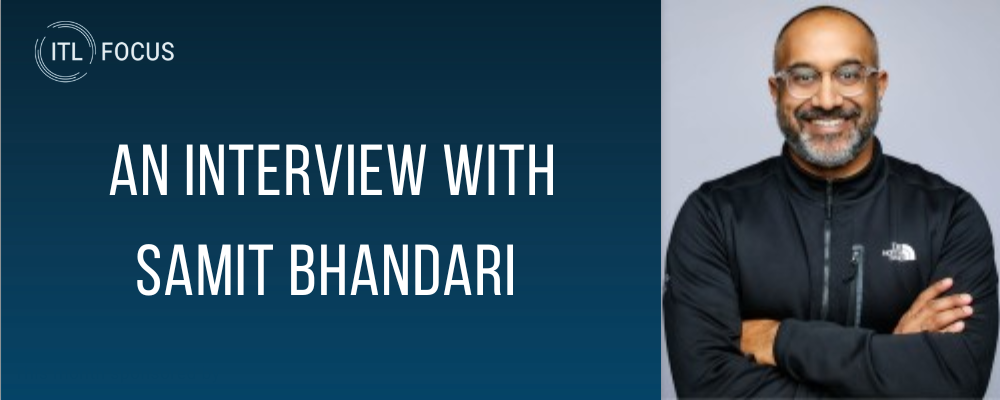
Samit Bhandari has watched this pattern play out across the P&C insurance industry for 20 years as a partner at PwC. He's worked with carriers of all sizes through core system replacements, AI rollouts, and full-scale digital transformations — and has seen where these programs succeed and where they quietly go off the rails. He acknowledges there has been improvement—he says the assumption that most large technology programs fail is increasingly out of date. But he says organizations keep making a lot of the same, old mistakes, including the tendency to underinvest in what happens after a go-live, to confuse executive messaging with genuine alignment, and to treat transformation as a one-time event rather than a continuous process.
Read the full interview to find out what red flags signal a change management program in trouble, why smaller carriers are often better at transformation than their larger counterparts, and what Bhandari thinks the industry has stopped doing that it should start doing again.
Reducing the Risk in Change Management
Paul Carroll
There's often a disconnect in technology adoption that goes unnoticed in business. A leader might mandate the use of AI, and employees will say they're using it—but are they really changing the way they do things, or are they just going through the motions to show compliance? How do you get people on the same page in a big technology transformation?
Samit Bhandari
First, just in terms of getting everyone on the same page, it's the fundamentals of what we've always said about getting stakeholders engaged—executive, top-down engagement early, right? The messaging from that level through various levels of the organization. And then just the strategic, tactical things—the change champion network and the communication early and often. When you bring in AI—we should be more nimble.
MORE ON CHANGE MANAGEMENT

by Melissa Palmer
Change management can no longer be viewed as a one-time project discipline. It must become an organizational capability.

How to Put People First in Your AI Rollout
by Tracey Brown
"We made a deliberate decision to treat employee confidence as the primary KPI of our AI transformation."

Insurance Hiring Practices Hamper Transformation (Part 1)
by Amy Radin
Insurance companies hire for sector expertise, but transformation demands cross-boundary judgment that traditional filters miss.

The Answer to Too Much Technology Is More Technology
by Riv Arthur
Claudeforce signals a shift from building tools for humans to use and toward creating infrastructure where machines increasingly do the work.

How to Build Tomorrow's Insurance Workforce
by Afiong Ekong
Insurance's talent crisis demands a shift from hiring for past experience to identifying transferable skills and future potential.

Making Innovation Stick in Insurance Organizations
by Abrianne Harmon
Sustainable innovation in insurance requires organizations to master change adoption through culture building and strategic training design.
MORE FROM OUR SPONSOR

Sponsored by PwC
See how a human-centered approach to change helps your people adopt new ways of working—so transformation sticks.