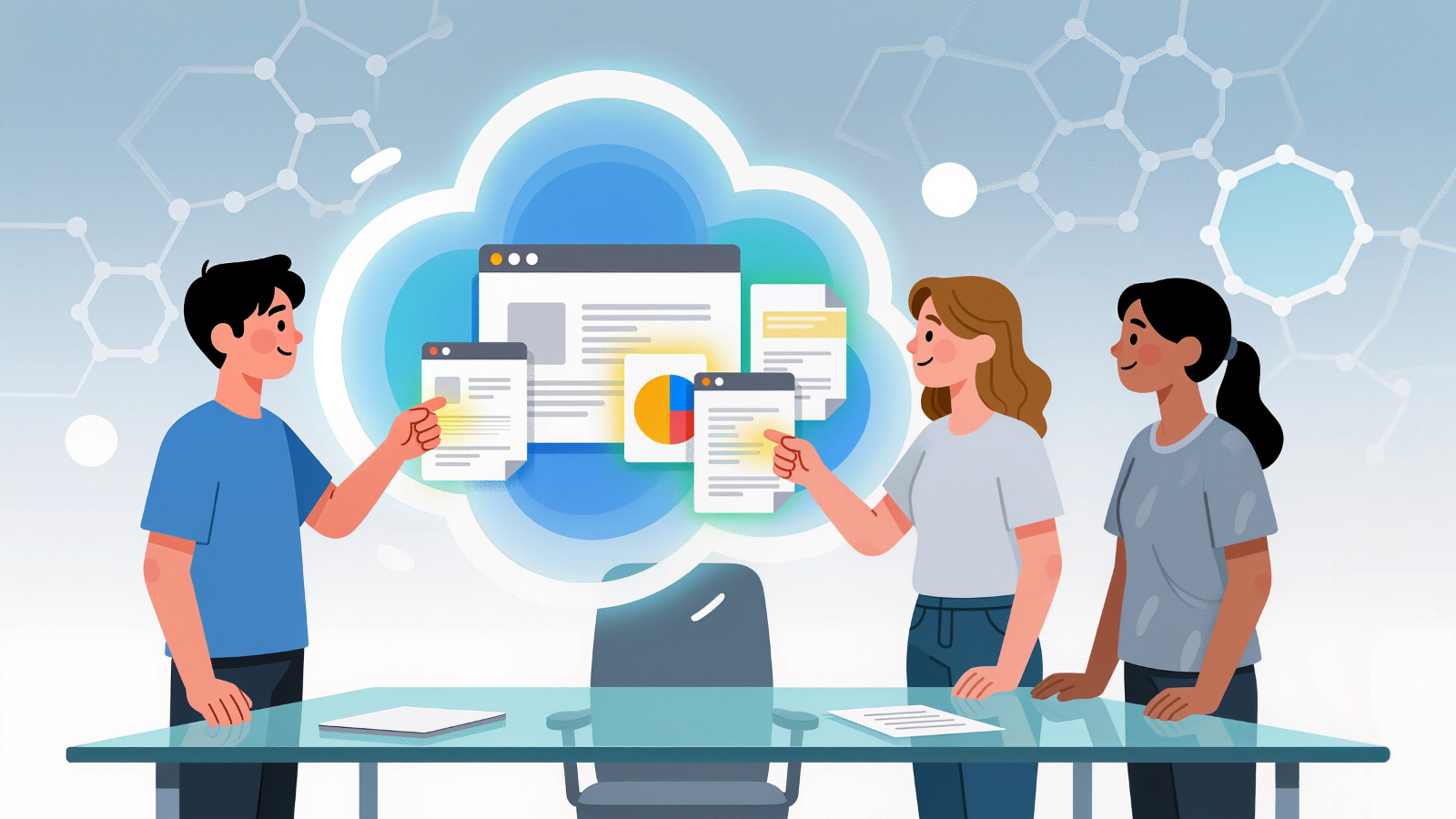

The latest wave of enterprise AI integrations makes perfect sense: People should be able to work with their documents in the tools they already use. Box's recent move to make its content available directly in ChatGPT is one more sign of how quickly that expectation is becoming normal.
But access to a document and reliable processing of that document are two very different things.
We've all been through it. Drop a contract, an invoice, or an audit report into a general-purpose assistant, ask a sensible question, and get back something that looks remarkably good. The system finds a few key terms, drafts a summary, perhaps even suggests what to do next. Then someone who knows the file reads it closely. A clause in an annex was missed. The total on the invoice does not match the purchase order. The answer treats a proposal as an approved decision. The work is half done, and its polished presentation makes the missing half harder to spot.
That is not an argument against general-purpose assistants. For exploration, drafting, and a quick feel for what is in a file, they are genuinely useful. The problem begins when a convenient interaction is mistaken for a dependable business process.
A document is rarely one question
Take a supplier contract. A user might ask, "What are our obligations?" A useful answer may require identifying the parties and the effective date, reading the pricing schedule, reconciling amendments, finding exceptions to termination rights, and distinguishing signed terms from an earlier draft. Some of those facts are on different pages or in separate documents. A single fluent answer can hide whether each of them was actually checked.
Or think about an invoice. Reading the amount is easy: determining whether it should be paid means comparing it with a purchase order, a delivery record, agreed tax treatment, and any prior invoices. The unit of work is not the PDF. It is the decision, with evidence from several objects.
This is why quality improves when we put a modest processing pipeline behind the document. First, identify what has arrived and preserve its source and version. Extract the content into useful parts: line items, clauses, dates, tables, signatures, attachments. Give the AI a specific job on each part, with an expected output, rather than asking it to improvise over the whole bundle. Then bring the results together, check relationships across documents, and apply the relevant business rules.
Finally, verify the result. Some checks are exact: amounts add up, required fields are present, a referenced purchase order exists. Other checks need AI: does the conclusion contradict a clause, omit an exception, or rely on a superseded version? The important decisions still need a person who can see the source, understand the proposed result, and correct it. A second AI pass can catch problems; it cannot certify its own answer as true.
The tedious part is the most valuable
This may sound less exciting than "chat with all your documents." It is also how document AI becomes usable at scale. Teams can repeat the same steps, measure where errors occur, and improve one stage without rewriting the whole process. When a reviewer corrects a field or rejects a conclusion, that correction belongs to a specific document, rule, and processing step. It becomes possible to explain not only what the system answered, but how it arrived there.
There is no universal recipe. A strategy document needs its assumptions and decisions separated; an audit response needs claims tied to evidence; an insurance case needs facts gathered across a changing file. The pipeline should reflect the job. Smaller pieces help the model focus, but they must be reassembled carefully so a local reading does not lose the wider context.
This is the shift I think enterprise buyers should ask for. Don't stop at "Can your AI see our content?" Ask: What exactly does it extract? Which version did it use? What is checked before a decision is proposed? What happens when two sources disagree? Who reviews an exception, and can that person get back to the passage that supports the answer?
The goal is not to make every interaction elaborate: The goal is to make the important ones repeatable, inspectable and good enough to trust.
Putting content within reach of an assistant is a welcome step. The next step is to treat what happens after the file is opened as a product problem in its own right. That is where the quality lives.