Insurance is often portrayed as the bad guy. Or at best, it isn't talked about at all. Business owners want to get a quote, check the box, and move on with their lives. Insurance is background noise, something you deal with because you have to. You don't open a bakery to buy insurance; you do it because you love baking.
However, invisibility is exactly what makes insurance so easy to take for granted. While no one is thinking about it, insurance is quietly doing something remarkable: holding up the entire small business economy.
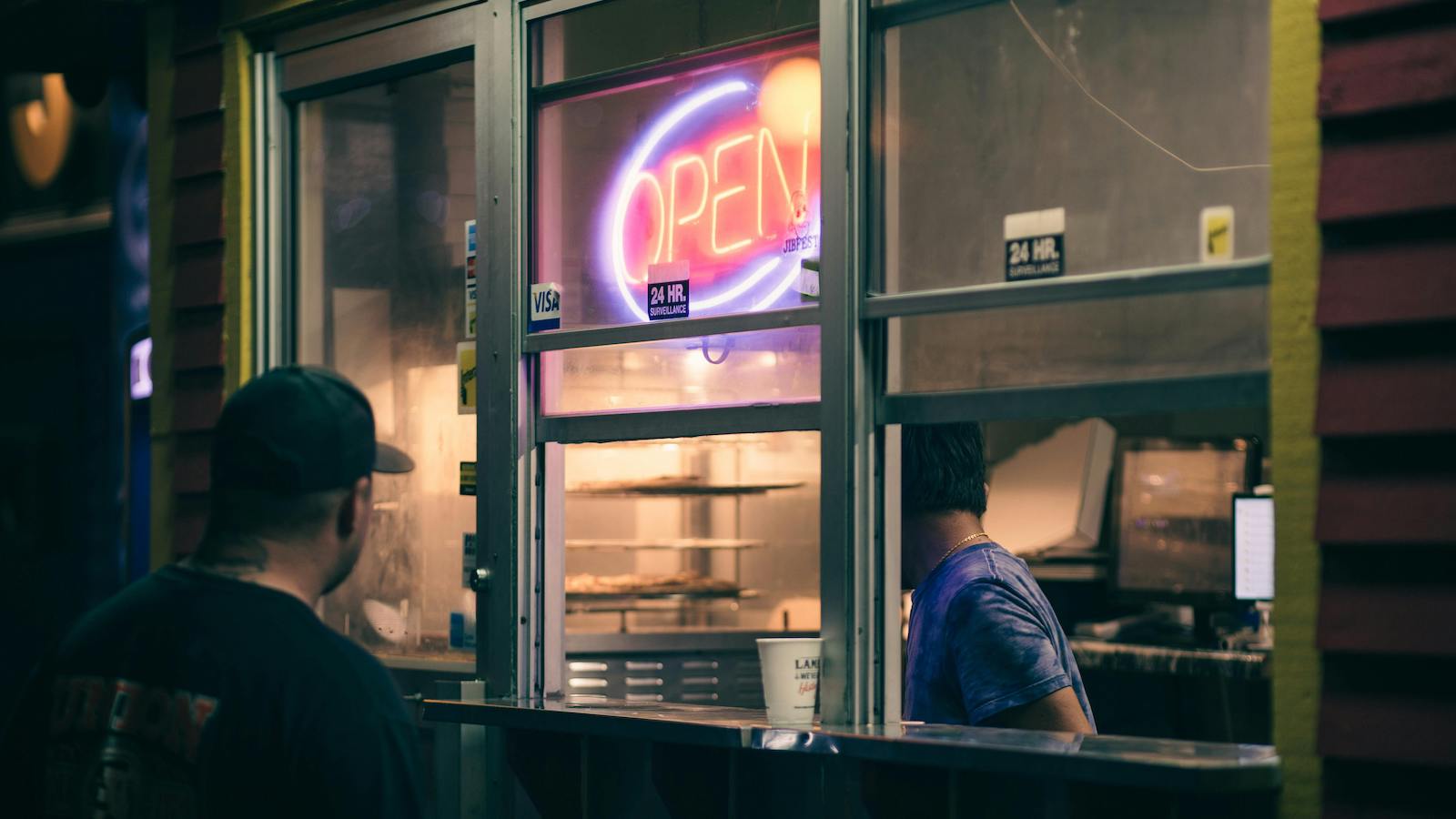
The United States is home to 35 million small businesses. They're the coffee shop where they know your name. The contractor who rebuilt your deck. The nail salon run by a first-generation immigrant who left everything behind for a shot at something better. They are the economic and social fabric of every community in this country, and they represent something fundamental about what America is — a place where anyone, regardless of where they come from, can build a rewarding life through their own effort and ingenuity. Behind every one of those businesses is someone who took an enormous personal risk. They put up their savings, left a comfortable job, took out a loan, or bet on themselves. What often goes unrecognized is the role insurance plays in making that bet possible.
That's why insurance is the oil that powers the engine of small businesses, the foundation of the U.S. economy. Put another way, insurance is the foundation on which American economic exceptionalism sits.
Consider how much of the small business ecosystem depends on insurance. A coffee shop can't sign a lease without liability coverage. A contractor can't bid on commercial jobs without workers' comp. A nail salon can't stock inventory without property insurance. The banks that approve loans, the landlords that sign leases, and the partners that sign contracts rely on the protection insurance provides to do business at scale.
At its core, insurance is an extraordinarily powerful risk transfer and aggregation system. It gives entrepreneurs the confidence to invest capital, hire employees, and expand. It gives their partners and lenders the confidence to bet on them. This is the kind of infrastructure that makes large-scale entrepreneurship possible, and America has built one of the most sophisticated versions of it in the world.
The downstream effects are profound. I've personally seen small businesses earn enough to send the first member of their family to college. Entrepreneurs across the country have turned a modest storefront into a multi-location operation, creating jobs and employing dozens of people.
It also helps create the next generation of doctors, lawyers, founders, and the next generation of small business owners. Insurance is the safety net that keeps that cycle going.
And despite this, the insurance industry has been slow to modernize. Too many business owners still associate the process with reams of paperwork, phone calls, and fax machines. Too often it takes weeks to get a quote, premiums are priced with a one-size-fits-all model, and the process feels opaque and frustrating.
Making insurance faster to obtain, easier to understand, and more precisely priced has real economic consequences. Every friction point we remove is a barrier lifted for the next entrepreneur. Every small business we protect is a job creator we keep in the game. Every risk we underwrite well is capital freed up to flow toward the next great idea.
Innovating in insurance is exciting because it involves genuinely complex, interesting problems, especially now, as advances in AI and technology give us the tools to finally revolutionize a legacy and yet vital industry.
But what gets me up in the morning is simpler than that. Any time I step into a restaurant or a small shop, I know that while the owners' hard work is what makes their business go, insurance helps give them the confidence to start.
Thirty-five million businesses depend on this industry today. Millions more that haven't started yet will depend on us to make it better. That's a purpose worth celebrating.