Download

A Key Ruling on Workers’ Comp in California—and What It Means

Ultimately the lien problem will be solved – just later than most had hoped.

The workers' compensation community watched anxiously for months as the U.S. District Court for the Central District of California considered a constitutional challenge to the lien activation fee -- an important component of the 2012 reforms in Senate Bill 863. In the case (Angelotti Chiropractic, et al. v. Christine Baker, et al.), Judge George Wu ruled on Nov. 12 that the fee is indeed unconstitutional based on the Equal Protection provisions of the U.S. Constitution. His reasoning was that there was no rational basis for exempting large institutional lien holders (health care plans, union trusts, etc.) from the activation fee and that all lien claimants should either be in or out when it comes to filing fees.

The injunction against enforcing the lien activation fee took effect on Nov. 19. In anticipation, the Division of Workers’ Compensation notified the community Nov. 15 that it would no longer be requiring the fee be paid for liens filed prior to Jan. 1, 2013.

It is important to note that there are two filing fees enacted in SB 863. The one that applies to liens filed prior to Jan. 1, 2013, is the lien activation fee and is the subject of the federal lawsuit. The other is the lien filing fee, which is not affected by this litigation. In addition, statutory and regulatory changes made in SB 863 and the regulations adopted by the Division of Workers’ Compensation eliminate liens for most service providers that are subject to a fee schedule for dates of service on and after Jan. 1, 2013.

That is not to say that the injunction against enforcement of the activation fee is inconsequential, for it most certainly is not. In the last two calendar quarters of 2012 alone, more than 800,000 liens were filed. Of those, almost two-thirds are in Los Angeles County. Most of these have not moved through the system, undoubtedly because some lien claimants were waiting to see whether the activation fee was going to be upheld. It is assumed that many of these liens were never going to be filed because of the activation fee. As such, many liens would have expired by operation of law on Jan. 1, 2014. That, too, is now part of the unknown that comes from the Court’s decision.

Obviously, the Department of Industrial Relations and claims administrators are not happy with this ruling. To a certain extent, neither are the plaintiffs in the case, who saw two of their three claims summarily dismissed by the court. Whether these issue now go up to the Ninth Circuit U.S. Court of Appeals remains to be seen. Plaintiffs, and indeed all lien claimants regardless of whether they were parties, have secured the relief they sought – enjoining the activation fee—but that could be put at risk if there is an appeal. Conversely, while the Department of Industrial Relations disagrees with the finding that the activation fee is unconstitutional, the fact that Judge Wu dismissed the claim that the activation fee constituting a “taking” of private property is a big win for proponents of SB 863 – for the taking argument has much broader implications than does the Equal Protection argument that Judge Wu found persuasive.

Because the Jan. 1, 2014, dismissal by operation of law date on old liens has been enjoined, it is not automatic that there will be a flood of activity on liens filed before Jan. 1, 2013, at the Appeals Board before year end. It is a fair observation, however, that liens many in the community thought would be extinguished by operation law won’t be. Whether those liens are going to be the subject of Appeals Board hearings and ultimately paid, however, remains uncertain. And uncertainty is a chronic symptom of our oft-ill but rarely cured workers’ compensation system.

And in case no one noticed, on Nov. 14 a new federal lawsuit was filed challenging both the lien activation fee and the lien filing fee. The plaintiff, who is seeking class action certification, is also demanding disgorgement of fees paid and reinstatement of any lien dismissed for failure to pay the appropriate fee. That case is Kancilia v. Brown, et al. and was filed in a different federal district court than Angelotti.

The transition from one set of rules to another on the heels of major legislative changes is never easy, regardless of the subject matter. In time, because of the other changes wrought by SB 863, the disruption caused by these suits will work its way through the system. Relief from the costs associated with the lien process will be delayed, and the income the fees provide to the Division of Workers’ Compensation will be less than anticipated, but ultimately the lien problem will be solved – just later than most had hoped.

Myths About Obamacare and Workers’ Comp

Many people are losing healthcare coverage or will see it reduced, meaning that there will be a greater likelihood of workers’ compensation claims.

The Obama administration has said that the Patient Protection and Affordable Care Act, enacted into law in 2010 and scheduled to take effect on Jan. 1, will reduce workers’ comp claims because so many additional people will be covered under personal insurance policies. But there is reason to think otherwise.

The first issue is that so many companies are reducing the insurance they offer employees or are cutting employees’ hours so much that they fall below the law’s threshold, so employees don’t have to be covered at all. Employees who aren’t covered under corporate policies or who are underinsured are more likely to make workers’ comp claims.

Here are just a few examples from National Review Online:

SeaWorld used to let part-time employees work as many as 32 hours per week, but the company is dropping the limit to 28 hours to keep them under the 30-hour threshold at which it would be required to provide health insurance under Obamacare. More than 80 percent of the company’s thousands of employees are part-time or seasonal.

Carnegie Museum in Pennsylvania scaled back the hours of 48 of its 600 part-time employees to less than 30 hours a week to sidestep the mandate to provide health-care coverage

Virginia Gov. Bob McDonnell decided to limit the state’s part-time employees to 29 hours per week.

Brevard County, Florida told a local television station that the county’s 300-plus part-time employees will be “capped at something less than 30” hours to save the county about $10,000 per employee in health insurance.

Fatburger  announced that franchises had begun making efforts to keep employees under the 30-hour threshold, including some franchises’ engaging in “job sharing.”

As more companies shift to shorter work weeks, you can expect claims under workers’ comp to keep climbing.

Proponents of Obamare still say it will decrease workers’ compensation costs in several ways, including through the elimination of lifetime caps on medical insurance coverage. The argument is that these caps on employees’ private policies pushed them to file workers’ compensation claims. Really? Many of the leading cost drivers for work-related injuries are Musculoskeletal Disorders (MSD), better known as soft tissue injuries.  According to the Bureau of Labor Statistics (BLS), soft tissue injuries (sprains and strains) accounted for 40% of all work-related injuries that resulted in lost days of work. I do not believe that these types of injuries would affect the lifetime maximum for health insurance, which is typically $1 million.

Proponents also note that a healthcare insurer can no longer refuse to provide coverage because of preexisting conditions, conditions they claim were often not covered by private healthcare and thus encouraged employees to seek coverage under workers’ compensation. While this is a good point, the National Review’s examples show that many people are losing healthcare coverage or will see it reduced, meaning that there will be a greater likelihood of workers’ compensation claims. Yes, there are penalties for not securing healthcare coverage, but they are modest, especially in the early years of Obamacare, and there is no real mechanism for enforcement. The IRS has the responsibility for collecting penalties but has no true powers to do so.

How are people supposed to afford care if their hours have been cut?  You guessed it: workers’ compensation.

Why Obamacare Is Unraveling

Although there are many features of ACA that potentially provide value to the public, the flawed rollout, the delays in implementation and now radical changes to the structure of the ACA program very likely start to unravel the viability of the program.

President Obama’s announcement during a Nov. 14 press conference that he would like to see insurance carriers extend non-complying health coverage after Jan. 1 may be the event that unravels the Affordable Care Act (ACA).  Carriers and health plans have worked hard for several years, have spent millions of dollars complying with ACA, have fought with insurance department regulators getting policies approved and, in many cases, have notified consumers of the need to terminate non-compliant policies. Now, carriers and health plans have a new wrinkle thrown their way.  What is going to happen next?

Some of the key principles of ACA are:

  • Clear definition of Essential Health Benefits (i.e., EHB)
  • Clear definition of metallic or metal level plans based upon the actuarial value of the benefit plan
  • Restrictions on premium format and methods to derive premium rates
  • Rigorous rate review and approval process coordinated by a combination of state insurance departments and federal oversight
  • Mandates for participation in some type of health coverage
  • Large number of taxes and fees to help fund ACA
  • Assumption that there would be a reasonable risk pool so carriers could appropriately price and predict future costs of care

Minimum loss ratio requirements to ensure that a reasonable portion of the premium rate goes toward the payment of claims

Carriers have worked hard to comply with the new regulations, which for many have involved significant shifts in the methods used to conduct business.  The rate development process for a typical carrier follows this process:

  • Review of prior claims experience and profitability
  • Determination of what rate increase will be required to maintain a profitable product offering
  • Development of proposed rate for various rate cohorts with competitive comparisons
  • Potential benefit redesign to meet regulatory changes or competitive pressures in the marketplace
  • Obtaining independent actuarial certification regarding proposed rates as a reasonableness test (e.g., Section 1163 required in California)
  • Filing of rates with regulators for approval and follow-up with regulators until rates are formally approved
  • Communication of rates to those insured, and implementation of the new rates

This process can require four to six months to complete.  It is actuarially complex and requires careful analysis of many factors and variables. 

As ACA emerged, carriers had to adjust benefits covered in prior products where they failed to meet the minimum EHB required.  In some cases, products were terminated because they did not meet either the EHB or the minimum actuarial value of 60%.  Carriers worked hard to develop replacement products, filed these with regulators and started to present these to their customers. 

It was obvious that some customers would be concerned about the impact of rate changes associated with ACA-approved benefit programs.  Rates would increase for a variety of reasons:

  • Health care inflation continues
  • Mandated benefits required broader coverage than previously purchased
  • Elimination of gender rating generally increased rates for insured males
  • Minimum Actuarial Values (i.e., > 60% AV) raised benefits for some insureds
  • Assumed average risk score for the individual market was higher than in the past because medical underwriting is no longer appropriate, and, in some cases, carriers raised the average assumed health status built into the rates to reflect the enrollment of additional Medicaid- or Medicaid-like lives.
  • Age rating was affected, requiring higher rates at younger ages to offset some of the reductions at the older ages (i.e., 3:1 limits on age rating curve).

The concerns expressed by the public on higher rates, the concerns expressed about policy cancellations, the delays caused by website challenges, the continued frustrations about ACA all combined into a situation where a large portion of public were frustrated with ACA.  The president’s announcement was a response to many of these concerns and frustrations.

However, there are several complications facing the carrier community as a result of this suggestion or proposal to the insurance departments and affected carriers.

  • Rates for terminated programs were not updated for 2014.  Rates can’t be extended without adjustment because rates were established for a previous time period, and there has been inflation.  Updating would require a minimum of 4 – 6 months.  The software implemented by the federal government and used at the local insurance department level is built around the new ACA requirements and would likely reject restored versions of terminated policies.
  • The risk pool for all of the ACA-approved rates will be changed significantly if individuals are able to continue their prior programs.  Selection bias issues would be significant.
  • The individual mandate for credible health coverage would be compromised if individuals continued their prior, non-compliant coverage.  The anticipated tax base would be jeopardized with the continued offering of non-compliant coverage if penalties were forgiven.
  • The disruption to the insurance industry involved in the exchanges would be significant and potentially would permanently damage the risk pool.
  • More importantly, the public’s perception of the benefit of ACA to them will be affected as changes were required, then they weren’t, then they will be, etc.

Although there are many features of ACA that potentially provide value to the public, the flawed rollout, the delays in implementation and now radical changes to the structure of the ACA program very likely start to unravel the viability of the program.  Only time will tell.

D&O Coverage: A Low-Cost Alternative for Nonprofits

Considering the relatively low cost for a properly constructed D&O policy for a nonprofit organization, it makes a lot more sense to buy the coverage than try to hide behind limited immunity or wedge coverage into the wrong insurance policy.

Who needs nonprofit directors and officers (D&O) coverage when you have volunteer immunity and homeowners insurance? Not so fast. It is possible to find some coverage, or form of immunity, under your homeowner’s policy, and there are attorneys that find ways to wedge things into coverage when there are no other remedies available.  However, that doesn’t mean you should ignore the availability of the proper insurance. Rather than hope to fit a round peg into a square hole, buyers should look to purchase coverage for any exposure that keeps them up at night.

There are people who wrongly believe that if they are performing charity work they can’t be sued, won’t be sued, or have some form of mythical immunity or free insurance somewhere to protect them. Let’s explore those theories in more detail.

Isn't there a federal law that grants immunity?
In 1997, our government passed the federal Volunteer Protection Act (VPA) to promote volunteerism for nonprofit organizations. There is more to the act than can be summarized in this article, and any legal advice should come from an attorney, but it’s important to know that there is a federal law designed to provide protection to volunteers. Also, note that the immunity applies to volunteers, and not necessarily the nonprofit organization or compensated employees/executives. With that knowledge, it’s important to be aware of other limitations of the act.

Exceptions from the federal law include:

  • Acts of violence
  • Acts of international terrorism
  • Hate crimes
  • Sexual offenses
  • Civil rights violations
  • Claims involving use of alcohol or drugs

In the absence of a definition of “Civil Rights” in the act, all sorts of common problems could be exempt. Three instances that immediately come to mind are discrimination, sexual harassment and privacy rights. Those are common allegations in claims we see made against volunteers, nonprofit organizations and their leaders.

Volunteers may also lose their potential immunity in these situations if:

  • the volunteer is acting outside the scope of his or her responsibilities to the organization
  • the volunteer was unlicensed if required or appropriate
  • the harm was caused by gross negligence rather than ordinary or simple negligence
  • the harm was a result of operating a vehicle, vessel or aircraft that requires a license or insurance
  • the volunteer receives compensation or anything other than compensation that is worth over $500
  • the charity loses its nonprofit status

The VPA has provisions indicating that immunity provided by the act cannot be reduced by state laws, but can be broadened by state law. The federal law will apply to volunteers unless a state opts out of the law, which is permitted.  New Hampshire, for example, opted out in instances where everyone involved is a state resident and a New Hampshire state court is used.

Can we find immunity provided by state laws?
Many states do have immunity laws available to volunteers providing services to nonprofits. Every state has its own advantages and limitations. Again, seeking the advice of an attorney licensed in the relevant state is appropriate. When seeking the advice of counsel as to the immunity provided by state law, there are some questions to ask:

  • Does the state law only protect volunteers, D&O or both?
  • Will the state law prevail if the plaintiffs are from a different state?
  • What material limitations exist?
  • How is immunity impacted by willful or negligent activities?
  • Is the nonprofit organization immune from vicarious liability arising from the conduct of the volunteers?
  • Can an organization subrogate against a volunteer for costs associated with vicarious liability?

Will a personal homeowner's insurance or personal umbrella policy protect me?
The easy answer is that an insured might find some coverage, but not for all situations. Not all homeowners policies are the same and some may have special D&O enhancements. If you review what is generally covered, you will see coverage for bodily injury and property damage on those policies. It is also important to keep in mind that these are personal policies and any coverage provided would not be shared with the nonprofit organization or any other person affiliated with the organization. So if a homeowners policy or personal umbrella is designed to only cover bodily injury or property damage and is limited to protecting only one individual, is this the best solution for a nonprofit organization and all its leaders, employees and volunteers? That’s easy – no.

How about buying the proper insurance?
There is a policy specifically designed to protect the directors, officers, employees, trustees, volunteers, committee members, interns, domestic partners and the organizational entity.  Note that the coverage isn’t limited to just the directors and officers. Those other individuals are also protected by this insurance.  A typical D&O policy pays on behalf of the nonprofit organization when that organization is obligated to indemnify the individuals for their actions on behalf of the organization, as outlined in the organization’s bylaws.  The organization itself is also generally covered for alleged wrongful acts. D&O policies are broadly written to cover claims alleging any error, act or omission arising from activities on behalf of a nonprofit organization. The policy won’t cover bodily injury, property damage, pollution, workers’ compensation or issues arising from the administration of benefit plans. Those items should be covered on other policies specifically designed for those exposures.  You should also find coverage for the individuals and entity for things like discrimination, harassment, wrongful termination and other personal injury violations such as invasion of privacy, wrongful imprisonment and, in some cases, copyright violations.

Similar to personal lines policies, no two D&O policies are the same. Each one needs to be closely reviewed to identify limitations as well as unique coverage enhancements. Some limitations to avoid are antitrust exclusions, third party discrimination exclusions, or overly broad insured versus insured exclusions. There are enhancements to negotiate such as coverage for immigration claims, wage and hour claims, lifetime personal extended reporting provisions, publishers liability, public relations expense coverage, priority of payments, punitive damages coverage, where insurable, and more.

Considering the relatively low cost for a properly constructed D&O policy for a nonprofit organization, it makes a lot more sense to buy the coverage than try to hide behind limited immunity or wedge coverage into the wrong insurance policy.

A New Focus for Health Insurance: ‘Negaclaims’

Putting the patient at the center need not be a marketing gimmick. Rather, it’s central to a winning strategy in the fee-for-value era.

Historically, the “do more, bill more” fee-for-service model of healthcare measured success by increased billings. In the fee-for-value era, we need a new framework for assessing healthcare results. Quality indicators are logical, but they are mostly geared toward measuring actions taken. We can borrow a concept from the energy sector for an additional metric.  We need a concept for removing waste and unnecessary care that could be inspired by a concept from the energy sector described in this blurb from Wikipedia for something called Negawatts.

Negawatt power  is a theoretical unit of power representing an amount of energy (measured in watts) saved. The energy saved is a direct result of energy conservation or increased energy efficiency. The term was coined by the chief scientist of the Rocky Mountain Institute and environmentalist Amory Lovins in 1989, arguing that utility customers don’t want kilowatt-hours of electricity; they want energy services such as hot showers, cold beer, lit rooms, and spinning shafts, which can come more cheaply if electricity is used more efficiently. Lovins felt an international behavioral change was necessary in order to decrease countries’ dependence on excessive amounts of energy. The concept of a negawatt could influence a behavioral change in consumers by encouraging them to think about the energy that they spend.

The healthcare parallel would be a “Negaclaim™” — i.e., an unnecessary claim avoided. This isn’t about simply denying care. Just as consumers aren’t interested in kilowatt hours, patients aren’t interested in claims — they want health restored and diseases prevented, which can be done more efficiently and effectively. When individuals are fully educated on the trade-offs associated with interventions, they generally choose the less invasive approach. A nice byproduct is that the invasive approaches are frequently more costly and medically unnecessary. The following are a few of many examples of how unnecessary care can be eliminated while improving the patient experience:

  • Day-to-day and chronic disease care: One of the key reasons Direct Primary Care (DPC) has proven itself to be the Triple Aim  leader is that a proper primary care relationship involves time spent with patients to explain trade-offs of various medical options.  Without incentives to push for “more,” DPC providers have demonstrated that they can reduce unnecessary utilization by 40-80%. By contrast, “hamster wheel” primary care has effectively turned primary care into 7-minute, drive-by appointments that leave little time to do anything but direct patients toward additional costly items, whether it’s ordering a prescription, test, hospitalization or specialist visit. In many cases, those could be avoided with a robust primary care relationship.
  • High Cost Procedures: Leah Binder wrote about what major employers such as Walmart, Loews, Pepsico and others are doing to reduce risk to their employees while also saving money, in What We Can Learn From Walmart: How Our Healthcare System Can Save Lives and Dollars. Employees found that 40% of the transplants that were recommended by local hospitals were deemed medically unnecessary by top physicians at the Mayo Clinic and other nationally renowned facilities. Employees were thrilled to avoid risky (and expensive) procedures. It also sent a great message to employees that their employer valued them enough to send them to the best medical centers in the world for second opinions.
  • End of Life: Quality of life is affected dramatically by the end-of-life decisions we make. This was outlined in How Not to Die. The system is oriented to do more even if it is at odds with quality of life. Doctors themselves recognize this when they are the patient, as described in Why Doctors Die Differently. While quality of life is the driving factor for patients and families, there is a second-order benefit that the procedures that reduce quality of life are typically very expensive.

The problem in healthcare has been that providers have incentives to do stuff because of the flawed reimbursement models that dominate our present healthcare system. Respected studies such as from the Institute of Medicine demonstrate that there is more than $750 billion in waste. PwC stated that more than half of healthcare spending is waste. Incentives have driven providers to encourage more interventions, and consumers have been led to believe that more is better even though, in many cases, less is more.

That has added a challenge for health insurers. The general perception is that health insurers reflexively deny claims (sometimes getting in trouble for that). This has resulted in health insurers having the lowest Net Promoter Score of any industry. Consumers have clearly decided that health insurers aren’t doing this for consumer benefit. Fair or not, they have concluded it’s simply for the financial health of the insurer. Clearly, health insurers need a different approach if they want to improve their image and the health of their customers while ensuring their financial viability.

One incentive that has changed revolves around the Medical Loss Ratio (see Aetna’s explanation here).  In contrast to “customer service” reps focused on claims, an investment in patient engagement can have the same or greater effect on reducing claims while qualifying as a healthcare expense. Enter patient engagement.

Patient Engagement Is the Blockbuster Drug of the Century
Leonard Kish made the case that if patient engagement was a drug, it would eclipse all blockbuster drugs before it. Kish cited results of studies showing benefit when patients were successfully engaged in their health.

Compared to those not enrolled in the study, coordinated care “patients have an 88 percent reduced risk of dying of a cardiac-related cause when enrolled within 90 days of a heart attack, compared to those not in the program.” And, clinical care teams reduced overall mortality by 76 percent and cardiac mortality by 73 percent.

Rather than reflexively denying claims and building up a mountain of ill will, insurance companies should invest resources in helping their customers get engaged in their health. Their customers would, in effect, “self-deny” their own claims.

Note that when I describe patient engagement, I’m including family members and caregivers. Did you know that families provide care valued at more than $450 billion per year  – more than our total spending on Medicare! Thus, much of what is outlined below speaks to caregivers (particularly with elderly patients), not just the patient. Having more resources/tools as a caregiver would be welcomed, as most of us have no clinical background and are thrown into a caregiving role virtually overnight.

[Disclosure: My patient relationship management company is one of the organizations providing patient engagement tools to healthcare providers, which is why I'm familiar with these examples.]

Just about every myth has been debunked about how patients of all types supposedly won’t get engaged in their health, whether it’s low-income diabetes patients, native American populations or the elderly. However, providers are largely failing in their efforts at engaging patients as they haven’t had the incentives, tools or training.  Provider-patient communications guru Stephen Wilkins points this out clearly in a few pieces.

Despite less than stellar results that Wilkins highlights, the initial attempts by providers at engaging patients are welcomed just as a muddy puddle of water in the Sahara Desert is welcomed. However, much more can be done.

Catalyzing Patient Engagement in Health Plans’ Best Interests
A wave of new requirements and challenges have crashed on top of providers. Insurers could help if they focus in the right areas and are mindful of the challenges. JAMA recently wrote a piece highlighting one facet of patient engagement — shared decision-making (SDM). Physicians aren’t going to magically take on this challenge without a change.

The brevity of visits constrains the opportunities to address these elements of SDM. Furthermore, clinicians are not adequately trained to facilitate SDM, especially eliciting patient values and preferences for treatment.

[Note: Resources to train clinicians on patient engagement are emerging. One would expect that a host of continuing education courses will emerge. One example is HIMSS (the professional association for healthIT), which released a seminal book on patient engagement.]

In the places where providers have successfully achieved the Triple Aim objectives with challenging patient populations, they have had payment aligned with outcomes. Teams were unleashed, led by doctors, to get creative about how to tackle the challenges. While doctors are vital, they use non-physicians for a substantial part of the interaction with patients. It turns out, for example, that doctors and even nurses can be less effective at effecting behavioral change in patients than non-typical care team members. Rather than being relegated to low-level tasks, medical assistants and health coaches play a vital role in the successful models. Once again, while the goal is an improved health outcome, there is a second-order benefit that being more effective lowers costs by avoiding complications, and the medical assistants and health coaches are generally paid less than doctors and nurses. Unfortunately, in a typical fee-for-service reimbursement model, these types of services typically aren’t compensated despite their impressive results.

Dr. Rob Lamberts described this problem in detail in Washington, We Have a Problem. He summarizes the conflict between people’s desires and healthcare’s flawed reimbursement framework.

This is why, I believe, any system that profits more from people with “problems” than those without is destined to collapse. Our system is opposed to the goal of every person I see: to stay healthy and stay on as few drugs, have as few procedures, and avoid as many doctors (and drug companies) as possible.

Health insurers have implicitly viewed their customers as adversaries by creating a claim-denying framework as the default. The smart health plans will figure out how to harness the consumer goals. This isn’t some fanciful dream as it has been demonstrated (profitably, I might add) by the physician-entrepreneur organizations outlined in The Hot Spotters Sequel: Population Health Heroes.

This isn’t about minor tweaks to a fundamentally flawed model. Rather, as one physician-entrepreneur put it, too many models are “putting wings on cars and calling them airplanes.” Rather, it’s supporting proven models where they have rethought care delivery – here’s how one physician-entrepreneur describes rethinking care delivery from the ground up (video).

While financial rewards are important, most physicians are not motivated primarily by money but by autonomy, mastery and purpose. In the successful models, the physician-entrepreneurs created their own autonomy and recognized that the focus of their mastery and purpose had to fundamentally shift. A nice byproduct was the growth of “Negaclaims” as the educated and empowered patients better understood the significant risks of overtreatment and errors.

Too frequently, health plans have tried to micromanage clinical processes. With proper financial incentives combined with a move toward enabling clinical teams to become masters at driving patient engagement, the health plan is much more likely to achieve the desired outcomes. As the Stephen Wilkins pieces referenced above illustrate, clinicians haven’t been trained or rewarded directly or indirectly for encouraging patient engagement. It should be no surprise that most haven’t achieved mastery in helping their patients achieve patient engagement. Instead, the language of medicine has been punitive and demeaning, talking about “non-compliant” patients as though they were petulant criminals. That doesn’t further the partnership between patients and their care teams, which is necessary for optimal outcomes.

Previously, I outlined the strong business case for patient engagement. Those who have understood that business case have moved on to practice the 7 habits of highly patient-centric providers. It’s clear that past efforts by health plans to reduce claims have fallen short and created ill will and sub-optimal health outcomes. Putting the patient/member at the center need not be a marketing gimmick. Rather, it’s central to the notion of “Negaclaims” and to a winning strategy in the fee-for-value era.


Work/Life Balance ... Your Tightrope to a Rewarding Career

Work/life balance is essential for a rewarding career. You owe it to yourself to make sure that the proper balance is in place.

Do you have proper balance between your personal and business lives?  Or are the demands of your work infringing upon the quantity and quality of time you have with family, friends, hobbies, and community?

The following work/life balance quiz will tell you the degree to which you should be concerned about work/life balance: 

Work/Life Balance Quiz 

  1. Do I work 60 or more hours per week?
  2. Do I have little personal down time?
  3. When I get home from work, am I exhausted?
  4. Does there seem to be precious little time to enhance personal relationships?
  5. Is “fun” no longer a word in my vocabulary?

If you answered “Yes” to 2 or more of the statements above, you owe it to yourself to learn more about work/life balance.

The term work/life balance first appeared in the 1970s.  The expression means having equilibrium among all the priorities in your life.  It is interesting to note that state of balance differs from person to person.  However, if there is little or no balance over an extended period of time, the vast majority of people experience stress and, eventually, burnout. 

Persistent stress results in fatigue, frequent illness, eating disorders, upset stomach, headaches, forgetfulness, sleep deprivation, aggravation, and irritability with colleagues, family, and friends.  Research indicates that the workplace has become the single greatest source of stress.  Let’s look at a handful of scenarios that create stress in the workplace.  Do any of these statements belong to you?

  • I have little impact or control over decision making
  • My expectations of work performance do not meet those of my superiors.
  • There seems to be little opportunity for growth, development, or promotion.
  • My workload is very heavy, requiring long hours and infrequent breaks.
  • My role is not clearly defined.
  • The level of communication within my firm does not meet my level of satisfaction.
  • I am involved in routine tasks that offer little or no professional stimulation.
  • My work environment is unpleasant.

Today’s intense, competitive business climate has created corporate cultures that demand more and more from agency principals, sales managers, producers, account managers, claim consultants, loss control specialists, and customer service representatives.  To get ahead, 60-to-70-hour work weeks appear to be the new standard.  Work overload has been exacerbated by computer technologies that were intended to make our lives easier.  Technology has allowed our clients to view the insurance and risk management profession as a 24/7 business, making the achievement of work/life balance very challenging.

History
In the early 1920’s, the average work week was 50 hours including a full Saturday work day.  Soon thereafter, pressures were put on businesses to cut Saturday to half a day or have the day off completely.  The ability to have two days of rest was unprecedented.  However, by 1927, half of all employers adopted this new practice. 

This new practice was short lived.  Beginning in the late 1920s, advertisers persuaded Americans that happiness would not come from leisure rather from the purchase of commodities – the mentality of “consumerism.”  Social scientists believe that this point in history radically changed the way Americans view life and work.  A shift from scarcity to consumption was adopted – a state of being that has grown stronger over the years. 

In the 1980’s, the computer revolution increased the demands of employee output.  It also brought new complaints of work/life balance-related stress.  The cases of stress and depression jumped dramatically during this timeframe.  As an example, the number of workers’ compensation claims from “mental stress” rose from 1,844 to 15,688 cases in the state of California alone from 1980 to 1999.  There was also a significant increase in workplace violence and absenteeism.

Burnout
Burnout is the last act of the stress cycle.  Stress turns into burnout when one suffers a loss of physical and emotional resources too great to be replaced.  When our coping efforts fail to produce results, we are prone to crash and burnout.  Burnout triggers include overwhelming workload, lack of support and reward, loss of control, and interpersonal conflict.

Burnout develops from a condition of endless, chronic stress, in which emotional resources are stripped away until there is nothing left to counter the drain.  It is the gradual depletion of an individual’s pride, purpose, and passion.  The result is a three-way, mind-body shutdown as evidenced by:

  1. Emotional exhaustion
  2. Physical fatigue
  3. Cognitive weariness.

The financial services industry is a main culprit of burnout.  Pressure to perform in our industry requires significant time, energy, and commitment.  Conditions of burnout continue to rise at an alarming rate in the field of insurance and risk management. 

Strategies to Achieve Work/Life Balance
You must make room in your life to take care of your physical and mental well-being.  It is essential that you attempt to balance all priorities of your life.  The following represent 10 suggested strategies to achieve work/life balance:

  1. Self Awareness.  The first and most important step to achieving proper work/life balance is your understanding of the importance of mind, body, and spirit.  Being “aware” will allow you to monitor stress levels, see danger signs, and take personal responsibility for your physical and mental well-being.  As your self-awareness grows, you will gain a sense of confidence over work/life balance.
  2. Support from Family and Friends.  In our great quest for balance between work and life, there is perhaps no more important attribute than your relationships with family and friends.  Getting the family aspect of your life right will enormously help you achieve and maintain life-to-work balance.  Support and encouragement from friends is also essential.  As you embark upon strategies to improve work/life balance, begin by turning to family and friends.
  3. Nutrition and Exercise.  Physical stamina is not a luxury in today’s fast-paced business climate – it is a required element for high performance.  Your mind and body cannot operate at full potential if you have poor nutritional habits.
  4. Exercise is also an important strategy to work off stress.  Exercise is essential to being healthy.  Choose an activity you enjoy.  Possibly one of your hobbies can be combined with an exercise program.
  5. Hobbies.  You may be so busy with work that you no longer have time for hobbies.  Having a hobby is essential to work/life balance.  It lets you escape from the rigors of work to focus upon something you enjoy.  Time completely absorbed in an activity unrelated to your business will do wonders for your productivity.  It will also give your mind and body a well-deserved rest from work.
  6. Recovery Strategies.  Professional athletes plan recovery cycles into their intense training programs.  They understand that their mind and body need time to recuperate from strenuous activity.  Work is no different.  Your work/life balance plan should incorporate recovery breaks into your daily or weekly routine.  These can be anything from a 5-minute walk at lunch time to dinner and a movie with family and friends to a weekend golf game.
  7. Sleep.  Sleep deprivation is a major issue for people under stress.  If you make it a habit to skimp on sleep, you may not even remember how it feels to wake up fully rested.  Sleep is an essential ingredient to work/life balance.  Make sleep a priority for a week and see how it impacts your performance.
  8. Stuff.  For many people, it is the “stuff” in their lives that causes stress.  Stuff runs the spectrum from unfinished projects to personality clashes with co-workers to a messy office.  Too much stuff depletes energy and causes stress and anxiety.  Stop and recognize all the stuff in your life.  You will gain immediate confidence and clarity as you begin to remove the stuff from your life.
  9. Learn How to Say “No.”  High achievers get ahead by taking on projects and handling them efficiently and effectively.  Far too often, the same high achievers are the go-to people in the office.  It is logical.  If a high achiever is so good at projects, let him or her handle more and more problems and issues.  If you are a high achiever, you must learn to say “No.”  Do not let someone else’s problem or responsibility become yours.
  10. Time Management.  You have heard the term “time management” a thousand times.  You may not have a time management issue.  Rather, you have become so conditioned to multi-tasking that you have forgotten to do just one thing at a time.  Your ability to focus on one issue at a time will reduce anxiety and stress.
  11. Rearranging Priorities.  Work/life balance means having equilibrium with all priorities of your life.  Please consider a simple exercise.  List the priorities of your life from 1 to 5.  Your priorities may include personal interests, family time, hobbies, and exercise.  Now, analyze the percentage of time you currently spend on these priorities.  It is likely that you experience frustration from the fact that your priorities are out of order.  Rearranging your priorities and designing a plan to measure progress is an important component of your work/life balance plan. 

Work/life balance is essential for a rewarding career.  You owe it to yourself to make sure that the proper balance is in place.

How to Tap the Secret Power of ICD-9's

Incremental essential knowledge resides in ICD-9 codes that can be translated to powerful medical management. When they are monitored electronically and concurrently, they reveal and inform.

The medical portion of Workers’ Compensation claims now meets or exceeds 60% of claim costs. That fact alone should easily convince payers to focus on the rich medical information in their data. Very powerful information residing in claims data is virtually untouched—diagnostic codes in the form of ICD-9’s. The problem is few in the industry really understand ICD-9’s or in what ways they could inform powerful medical management.

ICD Defined
ICD-9 codes are not unique to Workers’ Compensation. ICD-9’s are the World Health Organization's International Classification of Diseases, Ninth Revision, Clinical Modification (ICD-9-CM). They are a standardized method of describing injuries, illnesses, and related issues worldwide.

ICD is the classification that codes and classifies mortality data worldwide. The ICD-CM is used to code and classify morbidity data from inpatient and outpatient records and doctor’s offices.

The purpose of the ICD and of WHO (World Health Organization) sponsorship is to promote international comparability in the collection, classification, processing, and presentation of mortality statistics. New revisions of the ICD are implemented periodically so that the classification also reflects advances in medical science.

ICD’s in Standard Billing Forms
Those who bill for medical services in the U.S. are required to use one of two CMS (Center for Medicare and Medicaid) standard forms, the HCFA-1500 (Health Insurance Claim Form) for outpatient and UB-04 Unified Billing) for hospitals and other facilities. Both standardized forms require the medical provider to list ICD-9’s appropriate to the medical procedures for which they are billing. The verdant data derived from these forms should be analyzed and incorporated into managed care processes.

Unwieldy and Ignored
Bill review organizations and payers capture data from the standardized billing forms in their systems. Nevertheless, while the ICD information is documented in systems, it’s use usually stops there. ICD-9’s are difficult to interpret.

ICD-9’s on bills are displayed in the form of codes, not descriptions of injuries and illnesses and they number in the thousands. Individuals cannot remember the codes, nor do they have the time to look up codes for interpretation. Instead, they simply ignore them.

Secret Power of ICD
Incremental essential knowledge resides in ICD-9 codes that can be translated to powerful medical management. When they are monitored electronically and concurrently, they reveal and inform.

ICD-9’s Reveal Migrating Claims
For instance, migrating claims accrue ICD’s. Migrating claims are those that are not going well, are becoming more complex and costly, often an insidious process that is missed by claims adjusters and medical case managers until considerable damage is done. What happens in migrating claims is the injured worker is not recovering for some reason and is referred to multiple specialists. Each specialist adds new ICD-9’s to the claim.

As a claims migrates, the number of ICD-9’s associated with it mounts.

Computer Monitoring
Using a computerized system especially designed to monitor ICD-9’s is a powerful knowledge solution. Alerts are sent to appropriate persons when the number of ICD-9’s in a claim increases beyond a designated point. Migrating claims cannot be missed and intervention is early, therefore far more effective.

ICD-9’s are Predictors
Another way to tap the secret power of ICD-9’s is to score them individually for medical severity, the seriousness of the injury or illness. Each claim then contains a total ICD-9 score in the system for medical severity. As ICD-9’s are added during the course of the claim, the claim ICD score increases. As a claim migrates and accumulates ICD-9’s, an appropriate person is automatically notified by the system. Migrating claims cannot go unnoticed.

Claims with high ICD-9 scores are predictors of risk and cost. Claim ICD-9 scores can be monitored from the outset and throughout the course of the claim.

ICD-9’s Scores Level the Playing Field
The claim ICD-9 score reveals the seriousness and complexity of a claim. Medical doctors managing difficult claims can be differentiated from those handling less arduous claims, thereby creating fairness in measuring provider performance.

Many indicators are used for claim monitoring and provider performance including medical cost, frequency and duration of treatment, indemnity costs, return to work and multiple other factors. The claim ICD medical severity score automatically predicts trouble and alerts the appropriate medical managers.

Moving on—ICD-10
The ICD-9 contains thousands of codes. Moreover, the ICD-10 revision will more than double the number of codes, making its information value exponential. ICD-10 is slated to be activated in October of 2014.

Location, Location, Location - It Matters in Insurance, Too

Most insurers are challenged by how to find, access, and use geographic information to improve decision-making, operations, and customer service. One potential solution is emerging through the use of three groups of technologies – social media, location intelligence, and mobility.

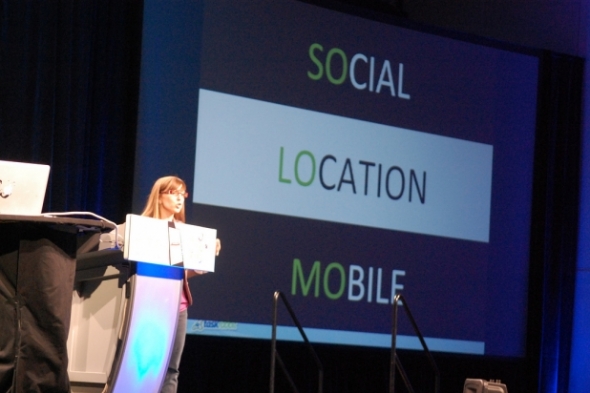
Location plays a critical role in the insurance industry. The issue of place is central to business acquisition, channel management, underwriting, and claim adjudication, to name a few insurance business functions. However, most insurers are challenged by how to find, access, and use the requisite geographic information to improve decision-making, operations, and customer service. Fortunately, one potential solution to the challenge is emerging through the use of three groups of technologies – social media, location intelligence, and mobility – which some technology and telecommunication firms are beginning to support and/or package together into one set of interdependent capabilities called SoLoMo. Ovum's recently published report SoLoMo: Social, Location, and Mobility Join to Enhance Insurance Commerce and Service describes what SoLoMo is and discusses SoLoMo's stages of engagement, major capabilities, and revenue opportunities for insurers. One revenue possibility is offering telematics value-add services such as discounts at restaurants to reward good driving behavior.

SoLoMo is a set of capabilities that “knows” about the longitude and latitude of a geographic area and, to some degree, knows in real time about the tangible assets (e.g. buildings, vehicles, livestock) within it, whether those tangible assets have embedded sensors or not. SoLoMo creates and delivers its knowledge in a real-time, geographically defined context. The contextually determined knowledge is created by streams of information captured on a device as a person travels to or moves through a location. That information includes the needs of the person using the device, the device's location, and the location's tangible assets. The information also includes social media and business enterprise social network feeds about the location and its tangible assets. Currently, a SoLoMo device could be a smartphone, tablet, or vehicle with an embedded sensor.

There are four stages of real-time engagement between a SoLoMo device and its surroundings. SoLoMo devices can already support some of the capabilities of the first three stages of engagement:

  • Stage 1 – Passive engagement: This is the basic level of SoLoMo engagement, and it offers a "for your information" purpose about the location of homes or businesses.
  • Stage 2 – Active engagement: This level of engagement includes the commonly available turn-by-turn directional guidance with or without voice navigation. However, it could also include receiving information from other smartphones or tablets in the geographic area.
  • Stage 3 – Interactive engagement: This level of engagement enables insurance stakeholders to receive and incorporate information from sensor-embedded tangible assets in the geographic area concerning their state (e.g. damaged or destroyed).
  • Stage 4 – Autonomous engagement: This level of engagement enables the SoLoMo device to accomplish everything in Stage 3 but without human intervention.

SoLoMo will need to encompass six major capabilities to support insurance company commerce and service requirements as the levels of engagement evolve through the four stages. The objective of each capability is:

  • Determine: This capability enables users of a SoLoMo device to determine if a physical artifact exists in a given location, whether the person using a SoLoMo device is stationary or moving through the geographic area.
  • Share: This capability enables users of a SoLoMo device to share ideas with personal social media or enterprise social network (ESN) members about the state of the physical artifact and its content.
  • Capture: This capability enables users of a SoLoMo device to capture information about the location and its tangible assets (and possibly the contents of each tangible asset).
  • Interact: This capability enables users of a SoLoMo device to interact with a digital avatar representing the tangible asset and its content. The digital avatar would store the date and nature of the interaction as well as the name or other identification of the SoLoMo device (or person using the device) engaging with it.
  • Integrate: This capability enables users of a SoLoMo device to integrate third-party data sources (e.g. NOAA, Marshall & Swift/Boeckh) and information from the insurer's ESN, core administration, and customer relationship management or customer experience management (CRM/CEM) systems together on the device.
  • Personalize: This capability enables the user of a SoLoMo device to receive personalized information based on the insurance stakeholder's needs and the geographic area.

SoLoMo offers insurers an opportunity to provide fee-based value-added services. This is important because it helps insurers diversify their earnings from being primarily risk-based premium revenue. Examples of value-added services that insurers could offer policyholders or prospective clients include the following, which could be augmented with social media feeds or, where appropriate, the insurer's ESN content and real-time commentary:

  • Telematics services – Insurers could offer: (1) discounts at restaurants based on good driving behavior; (2) safe driving programs that provide discounts on automobile insurance premiums to policyholders willing to install a device, or an app on an existing device, that prevents the driver from using a smartphone while the vehicle is in motion; or (3) information about the closest authorized automobile repair shop.
  • Remediation services – Insurers could provide a buying service for requisite items to restore retail customers’ homes or commercial clients’ business facilities, including bundling reviews from other policyholders or the general marketplace about the quality of products and services from companies selling the replacement products.
  • Child or elderly parent safety monitoring – Insurers could offer clients monthly geo-fencing monitoring of children or elderly parents' movements within a target location.
  • Business interruption cost estimation – Assuming the enterprise has a sufficient number of embedded sensors in the facility's structures and content the enterprise sells, insurers could estimate the state of each of the enterprise's tangible assets (existence, destruction, damage), compare that with data sources relating to labor and material cost to replace or remediate the tangible assets, and wirelessly report that information to the enterprise's CFO and chief risk officer (and to the insurer's actuarial and claim departments).

Do The Health Exchange Delays Matter?

The delays matter and, if not carefully managed, will create serious financial implications in 2014 and subsequent years.

Almost every morning, we hear about another problem with the Healthcare.gov website.  The Obama administration has committed to fixing the problems by Dec. 1, but the delays will still cause problems that we should be considering.

Each carrier or health plan that developed rates for the exchanges developed rates that would apply for 2014.  Although the initial enrollment period could extend past Jan. 1, most carriers assumed that a significant portion of the enrollment would begin no later than then. Rates for 2014 are based on projected claims for the full year.  This projection reflects health-care inflation, in addition to many other key assumptions.  A complete 2014 claim period would be centered on July 1.  Any delays in enrollment would push back the center date.  For example, a 10-month period ending Dec. 31 would be centered on Aug. 1.  Because health-care costs rise as the year progresses, a delay in enrollment would increase the cost of the average claim, even though the monthly rate paid by the person buying the insurance would remain the same. Assuming an illustrative annual rate of 8% increases in health-care costs, there would be about a 0.64% per month understatement in projected claims being paid by carriers.  Because anticipated margins in exchange rates likely fall in the 2% - 4% range, delays in enrollment can significantly lower projected margins.

Beyond the inflationary impact of enrollment delays, there is a strong likelihood that the delay may lead to a bias in the average morbidity or health status of the enrolled population.  Individuals with the best health have the least need to enroll in the exchanges.  Therefore, one might expect healthier individuals to be the slowest to enroll.  The individual mandate penalty may appear small compared with the premium for even the least expensive bronze coverage. Delays in enrollment would likely have an adverse impact on the health plan’s assumption for average morbidity under the program, because a disproportionate share of the less healthy individuals will be enrolled into the exchanges.  In other words, the pool of people being covered through the exchanges will be less healthy than insurers expected when they set rates. With margins at just 2% - 4%, a small swing in morbidity would eliminate a carrier’s margin independent of the inflationary impact.

Issues related to the demographic mix of the population that insurers assume will enroll add to the potential problems. Since health-care reform has limited the rate variation by age to a 3:1 maximum, rates for older individuals have been reduced while younger individuals pay a subsidy.  In reality, the actual costs by age exhibit a higher ratio, probably closer to 4:1 or 5:1.  If younger individuals delay enrolling or don’t enroll at all, rather than pay to subsidize older individuals, carrier margins are expected to deteriorate even more.  For each 10% proportionate reduction in enrollment by those under age 45 compared to that assumed in rate development, margins are reduced by about 1.1 percentage points.  A proportionate reduction of 20% could eliminate most, if not all, of a carrier’s margin.

A less obvious concern to some, yet perhaps even a more important issue, is the impact of the delays on the 2015 rates on the exchanges.  Without delays, the rates for 2015 will be based on a very limited experience base, probably just the first quarter of 2014.  With delays, the rates will be based on even less.  In light of the delays, the 2015 rates will be based upon projections of 2014 rates, continued uncertainty, and confusion about actual financial results in 2014.  Unexpected losses will force carriers to increase future rates to make up deficits. 

Bottom line:  The delays matter and, if not carefully managed, will create serious financial implications in 2014 and subsequent years.

The Real Challenge for Reforming Workers’ Comp

When we commit to best practices both as employers and claims professionals, we can create better outcomes than Sacramento could ever hope to achieve.

Sifting through the claims and complaints of those involved in California’s complex workers’ compensation system could leave both the casual observer and the seasoned veteran wondering when, if ever, this multibillion-dollar program will ever get properly aligned. It would be fairly easy to say, “Not during our lifetime.” But that would be too cynical even when discussing a system that for the past several decades could easily invoke cynicism.

Every participant in workers’ compensation has two faces. Some employers provide benefits, have a compliant return to work program and enforce a culture of safety at the workplace, while other employers view employees as a necessary evil. These latter employers view adherence with the legion of local, state, and federal laws and regulations regarding the workplace as burdens that need only be acknowledged if employers are required to do so, generally in the form of a legal proceeding against them.

We have seen the abuses in the medical system from unnecessary surgeries, overuse of Schedule II medications, and downright fraud in billing insurers and other payers, and yet if there is one indispensable party in the workers’ compensation system beyond labor and management it is medical providers. As recent events have demonstrated, we have yet to figure out how to empower the noble practitioners of the healing arts while keeping the venal away from injured workers.

Claims administrators vary in expertise, motivation, and professionalism, as do the various service providers and the tactics they employ to provide services and collect fees. “Insurers” have borne an unfair brunt of criticism largely because it is an easier talking point to cast such a broad brush than to single out any one bad actor or group of them. Without the ability to transfer risk, however, the workers’ compensation system could never be sustainable.

Each system participant has a particular grudge against the others. We allow policyholders to sue insurers for claims handling practices, and, in far narrower circumstances, an injured worker may pierce exclusive remedy and sue a claims administrator when conduct is so egregious that it goes beyond the grand bargain that is at the core of workers’ compensation.  Periodically, claims administrators and service providers resort to the civil courts with a variety of complaints over unfair business practices.  And, of course, the Workers’ Compensation Appeals Board is the forum where all participants flock with even the slightest provocation.

The appellate courts weigh in on a wide range of benefit delivery challenges, as well. Their decisions in Guzman and Ogilvie were two of the main incidents inciting changes in permanent disability benefit determinations codified in Senate Bill 863 (De León). Even today, we are litigating issues over the apportionment changes brought about in Senate Bill 899 (Poochigian) enacted almost a decade ago. Litigation in federal court is rare, although not unprecedented, as the current challenge to the lien activation fee in SB 863 demonstrates.   State-imposed fee schedules have periodically worked their way into federal court on the theory that reimbursement rates are so low that they are confiscatory – a challenge unlikely in California while the fee schedule is not mandatory, but still possible given the breadth of authority that the Division of Workers’ Compensation has been given to develop fee schedules for virtually all service providers.

“Well, that’s just California workers’ comp.”  That may be the case, but such resignation does tend to take the focus away from core problems that magnify the multiple personality disorder that plagues this system. As we work our way through the implementation of SB 863, we must also recognize that not every solution to the high cost of comp, both in dollar and human terms, can be put down on paper in Sacramento or Oakland.

While compliance is part of best practices, it does not define them exclusively. To be sure, the new costs associated with complying with SB 863 are consequential. As is inevitably the case when new comprehensive workers’ compensation laws are enacted, there will be considerable friction moving from one set of rules to another. The threat of litigation will hang over the changes made in this legislation just as it has in prior iterations of reform. It will take years to sort this all out.

In the meantime, there is much work to be done to improve the system even if it is not in  reaction to a new law or regulation or judicial decision. As has been the case all too often over the past two decades, laws are driven by anecdote. The adage “bad facts make bad law” applies equally to the legislative, regulatory, and judicial processes. Navigating California’s complex system is never easy. If claims administrators expect the process by which laws are made and interpreted to provide the necessary clarity and simplicity we crave to do our jobs, then we are all sadly mistaken.

Yet, when we commit to best practices both as employers and claims professionals, we can create better outcomes than Sacramento could ever hope to achieve. The challenge, therefore, is not what legislators or regulators or justices will do for us, but rather what will we do for ourselves?