Paul Carroll
Change management has always been important, but we're now in a period of complex and significant change. How has the importance of change management evolved, particularly in insurance?
Samit Bhandari, Principal PwC US
We've been driving, leading, and participating in large-scale transformations in the P&C insurance industry for 20-plus years. When you think about technology, we have become more experienced at leading these transformations. There's better tooling, more practitioners, certifications, accelerators, AI—the list goes on. That has helped to reduce several risks in the technology aspect.
But it's still the same level of challenge in terms of the human aspect of what these programs are delivering, how they're changing the day-to-day work and operations, and what that means to a customer service representative (CSR), to an agent, to an associate internally or other such stakeholders.
Paul Carroll
There's often a disconnect in technology adoption that goes unnoticed in business. A leader might mandate the use of AI, and employees will say they're using it—but are they really changing the way they do things, or are they just going through the motions to show compliance? How do you get people on the same page in a big technology transformation?
Samit Bhandari
First, just in terms of getting everyone on the same page, it's the fundamentals of what we've always said about getting stakeholders engaged—executive, top-down engagement early, right? The messaging from that level through various levels of the organization. And then just the strategic, tactical things—the change champion network and the communication early and often. When you bring in AI—we should be more nimble.
I do find in the tier two space, the carriers that we work with that are a little bit smaller are nimbler. They're better at embracing the transformation from the top levels of the organization and getting everyone on the same page to highlight there is a significant effort being made by the organization.
At times, such transformational programs can seem a little less cohesive with larger carriers, because they have multiple efforts going on. There may be a lack of alignment within one group to another group, or the change isn't happening to everyone at the same time.
The second part of this is getting working product in the hands of the end users faster, such that they can get more aligned in the requirements they're specifying, what they're seeing, and then the changes they want to make.
With the builder concept, we shouldn't have to take the waterfall approach—holding workshops, gathering requirements, then shutting that off and moving sequentially… so on and so forth. We’re able to showcase how we are doing things now, obtaining that builder and 10x engineer mentality so we can take those requirements in real time and turn them into results.
Are we there yet? Not fully. But that path is becoming much more realistic.
Paul Carroll
What do you see companies doing wrong about change management?
Samit Bhandari
It can’t just be about the rah-rah, the change champion network, the T-shirts, the slogans, and getting the sentiments higher. That's an aspect of change, and we need to do the communications. But companies don’t always start planning soon enough, and oftentimes allocating budget for change management becomes an afterthought despite the criticality. The OCM effort is at times not considered enough of a priority up front nor given enough budget, time and commitment throughout the program.
Companies may also underestimate what they should do on Day Two, after the initial go-live. I was with a few executives for a tier-two carrier in the Midwest recently, and we talked about how getting to the pilot, while difficult, was expected. However, the effort associated with subsequent rollouts, geographical and product expansions, as well as continuous platform improvements, were more difficult than they had expected. And then the amount of feedback that came in immediately after they went live was even beyond their expectations – and cutting through the “noise” even tougher.
What they often get wrong is not knowing that this is going to be a continuous and iterative process. The backlog of things to change, enhance and tweak is going to grow the minute you put something in the hands of your associates and your agents. You should have processes up front—both from a change standpoint and a delivery standpoint. From a change standpoint, to expect the amount of feedback that's going to come. But then from a delivery standpoint, to be comfortable in saying, "Hey, we're not going to knock all that off and react within 30 days, but we're going to systematically respond and talk about how we can improve continuously."
Paul Carroll
What are the biggest changes you’ve seen over the years?
Samit Bhandari
Early in my career, we spent extensive time working with the C-suite upfront. We built strong business cases that quantified why we were doing what we were doing, what the impetus for change was, and what the benefits would be. We went as far as having the different P&L leaders, whether it's claims or policy or billing or actuarial, sign up for the benefits the new platform would have for their constituents.
We've really moved away from that. The attitude became, “Well, we have to do something because its table stakes. Now, the idea is extending to, “Who needs to modernize the core, can’t we just use AI to get the work done in weeks or months?”
We've unfortunately moved away from taking the time up front to think about the impact a new platform can have on end users or the top line of the organization. I think we should come back to that planning a little bit because it anchors the program in the proper tenets, and it can help assess whether you can just do this in months, given the regulatory complexities.
Once you hear from end users, you realize it's not that simple to just pick up a black box, tinker, and come back with a platform that addresses various state rules and regulations, coverage needs and DOI expectations.
Paul Carroll
What are some red flags that companies should watch for, to see they’re doing change management wrong?
Samit Bhandari
Watch out for comments like, "I miss the old system," or "The old platform didn't do this." Or “This is how it used to work.” You may get some of that, but you've really got to have your ear to the ground. Who is saying it? How much is that sentiment catching fire?
Another red flag is when business engagement and user acceptance are lacking. Users should be asking to see the new system early so they can see the results. They should want to get their hands on it and feel excited about what's going to come, because they're in it day to day.
A third warning sign is when you don't have alignment among the leadership. Somebody should be empowered to observe and then make tough decisions, to maybe say, "Hey, maybe this person shouldn't be an executive sponsor," or "We need them to shift how they're operating." Even if lack of alignment doesn't cause the program to fail during the implementation journey—after the fact, it could be just as damaging if people cast shade on what was done. "Oh, we spent too much money on that," or "We overengineered this process," or "It took too long." Leadership should wear the badge throughout the journey and even beyond.
Paul Carroll
What are three or four keys to having a successful change management program?
Samit Bhandari
I can easily flip some of those failures around into successes. Certainly alignment from the top down. The change champion network is important. Individuals should feel excited about what they're seeing. The feedback network should be working well, so you can identify pain points and then dig deeper.
Having a balance of stakeholder engagement monitoring and progress monitoring can help you identify the proper level of adoption metrics early on.
The last thing is the awareness that it's going to be a continuous evolution and change is continuous. Even after we go live with the first pilot or the next set of states or the portal, there's going to be feedback. How we respond to it and react to it is more important than whether we got it right out the gate.
This last one is often one of the more important things to remember: a balanced mindset of "if we don't get it right, the sky isn't falling. Let's get back together as a team, a cohesive team, and respond." I was in an executive sponsor meeting this morning, and we talked about being 5% over budget. We talked about having 30 open risks. We talked about seeing more inflow of defects at this juncture than we wanted. We had the whole C-suite on the line, and everyone was just processing the information, making sure we have the proper rigor around it, and saying, "Alright, here's how we can tackle the issues with the necessary mitigation plans."
The beauty is that when the approach works well, you roll out, go live, and start changing the day-to-day operations of everyone across the different stakeholder communities, internally and externally.
And we're seeing more programs making progress. You may have heard that adage that 80% of projects fail to deliver on their objectives and all that, but that's not the case anymore in this space. The speed to market is often top of mind along with the ability to make changes and identify top-line growth by introducing new products, helping deliver significant changes faster.
Paul Carroll
Thanks, Samit.
About Samit Bhandari
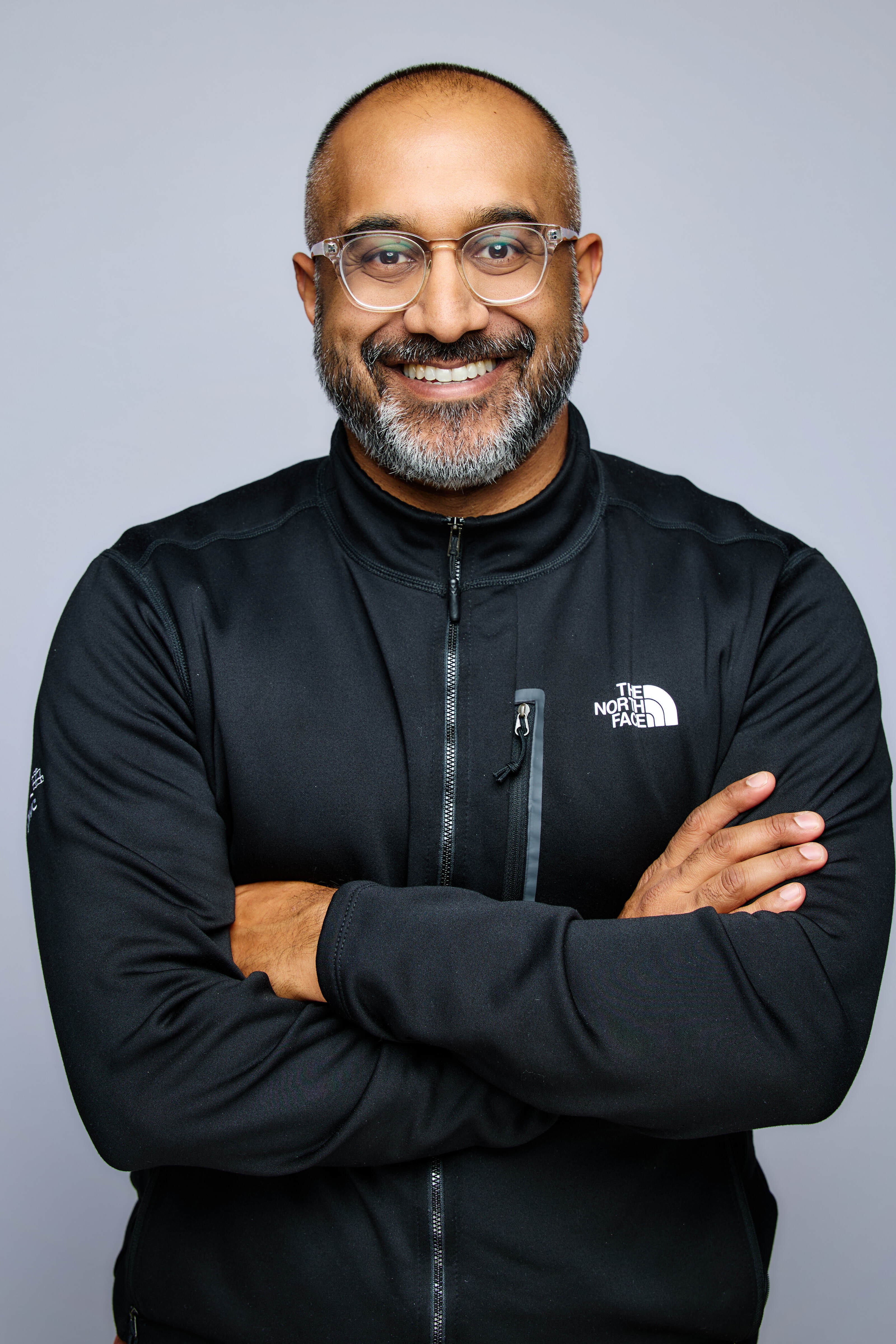
Samit Bhandari is a Partner with PwC, where he has more than 20 years of consulting and industry experience focused on the property & casualty insurance sector. He specializes in leading large-scale core insurance and digital transformations, with deep experience in Guidewire, program leadership, organizational change, and technology modernization. Throughout his career, Samit has advised and led transformation efforts for a broad range of regional and national insurers, helping organizations navigate complex business and technology change. He holds an MBA from the University of Chicago Booth School of Business and a bachelor’s degree in Mathematics from the University of Illinois at Urbana-Champaign. Samit is based in Chicago, where he lives with his wife and two sons.