In insurance, trust is often determined before a conversation even starts.
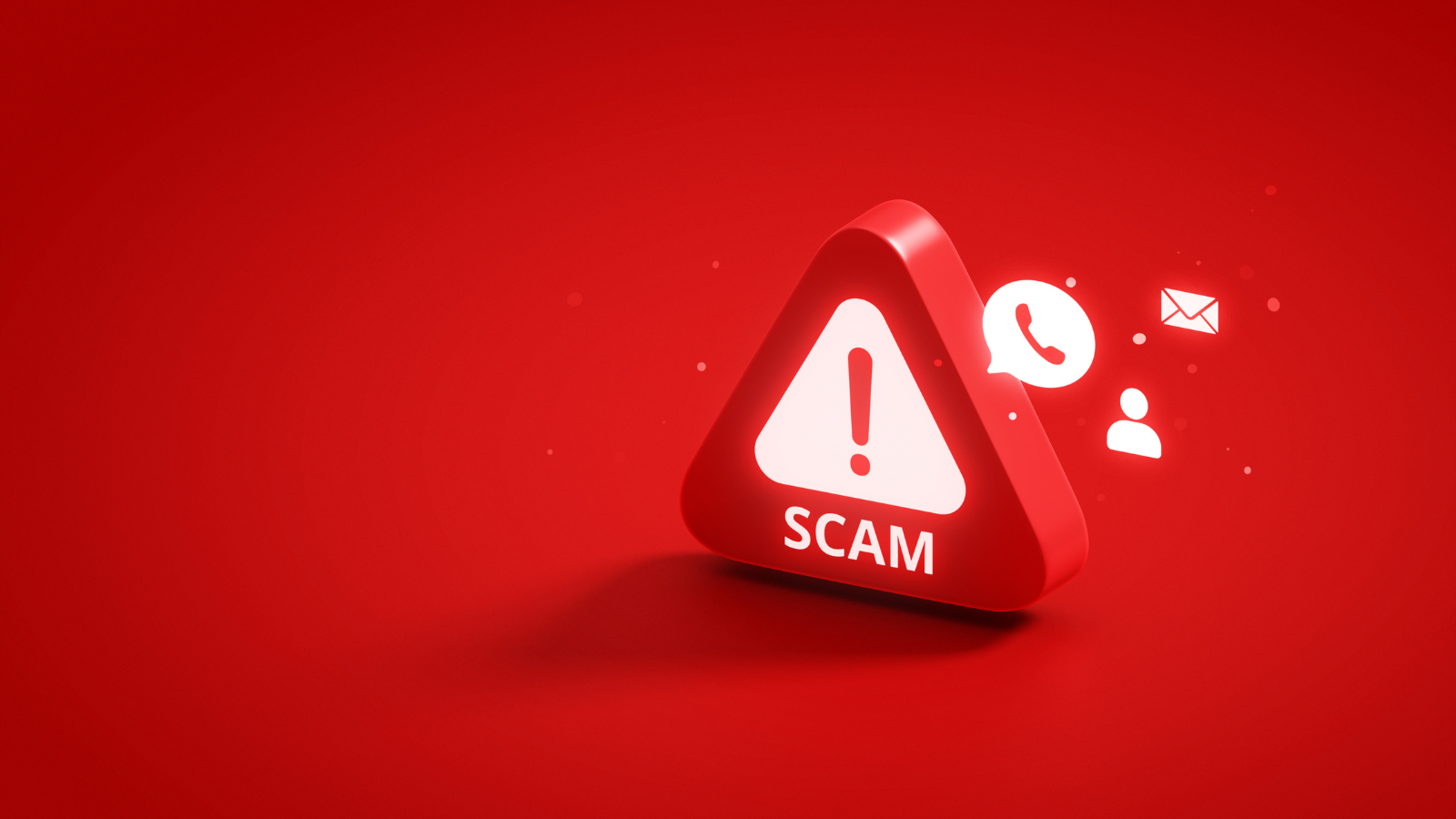
Consumers are entering interactions with carriers and agents more skeptical than in the past. Fraud concerns are no longer a niche issue, but a part of everyday life. In 2025, the Coalition Against Insurance Fraud estimates scams cost Americans at least $300 billion annually, and 78% of consumers say they are concerned about insurance fraud. That baseline of caution is shaping how people respond to outreach, offers, and even legitimate communications.
What is often overlooked is how quickly that skepticism carries into the way insurers are actually trying to reach people.
Most outreach still runs through the same channels: email, digital ads, automated follow-ups, and call scripts. While these tools are efficient, they all operate inside an environment where consumers already have their guard up due to the nature of an easily manipulated and inauthentic digital channel. Unknown emails get ignored, unfamiliar phone numbers get screened, and digital ads are easily skipped. Even real messages from insurers often get ignored because they resemble everything else people have learned to avoid.
So, the pressing issue is no longer reach, but credibility at first contact.
That is a tough shift for an industry that has spent years fine-tuning for speed and scale. Automation has made it possible to reach more prospects with less effort than ever before, but that has also made it harder to stand out as real. A lot of messaging feels interchangeable now, with similar subject lines and the same tone. Even when the intent is good, it doesn't always land that way on the consumer end, and they are getting faster at filtering it out.
This matters because insurance is not a casual purchase. The decision is tied to risk, stability, and long-term financial security. They are determining who they can trust if something goes wrong, and that decision rarely begins at the point of sale but instead starts with the very first interaction.
That first interaction is where things are getting lost.
A growing number of consumers are skeptical of anything unsolicited. Not because they've tuned out, but because they've seen too much of the wrong kind of message. Scam calls, phishing emails, fake invoices, and impersonation attempts have made caution the default, with curiosity coming much later, if it comes at all. This creates a difficult dynamic for insurers trying to make well-meaning outreach feel authentic.
Email is the clearest example. It's still a core acquisition tool across the industry, but it is also one of the easiest channels for consumers to ignore. Most inboxes are already crowded, heavily filtered, and judged in seconds from the preview. If something doesn't feel immediately relevant or personal, it's sent to the junk folder. This leaves insurers with a growing gap between effort and perception where more campaigns and outreach does not necessarily garner more engagement.
In response, many organizations have doubled down on automation with AI marketing tools, predictive outreach, and live chat engagement becoming standard across acquisition teams. Although essential at scale, they introduce a quieter issue. The more communication is optimized and automated, the more it starts to feel generic. And when everything feels generic, it becomes harder for any one message to feel credible or intentional.
And that is where credibility starts to erode.
People do not need every message to feel directly tailored to them, but they do at least need some sort of sign that there is a real person behind it. Without that, even accurate or helpful outreach can get filtered out as spam.
This is where smaller, more intentional touchpoints start to matter again.
A handwritten note breaks expectation and sits in a different mental category than automated digital outreach. It does not feel like a spam email or a scripted call, making it a more tangible and deliberate form of outreach in a market where most communication is automated by default. The note itself doesn't need to be long or persuasive, and in many cases it shouldn't be. Its value comes from what it signals: that someone chose to reach out directly rather than through a system designed to do it at scale.
For a prospective insurance customer who is already cautious about scams and impersonation, that signal can be enough to earn a second look.
This is not an argument against automation. The industry depends on it, and consumers expect the convenience it provides. But as skepticism toward digital communication continues to rise, insurers should be careful not to lose the human touch in the process.
Trust has always been at the center of insurance, but the difference today is that trust is often being evaluated before a conversation ever takes place.
In a market where consumers are quick to ignore anything that feels automated, the insurers that stand out may not be the ones reaching the most people. They may, instead, be the ones finding better ways to show there is authenticity behind the message.