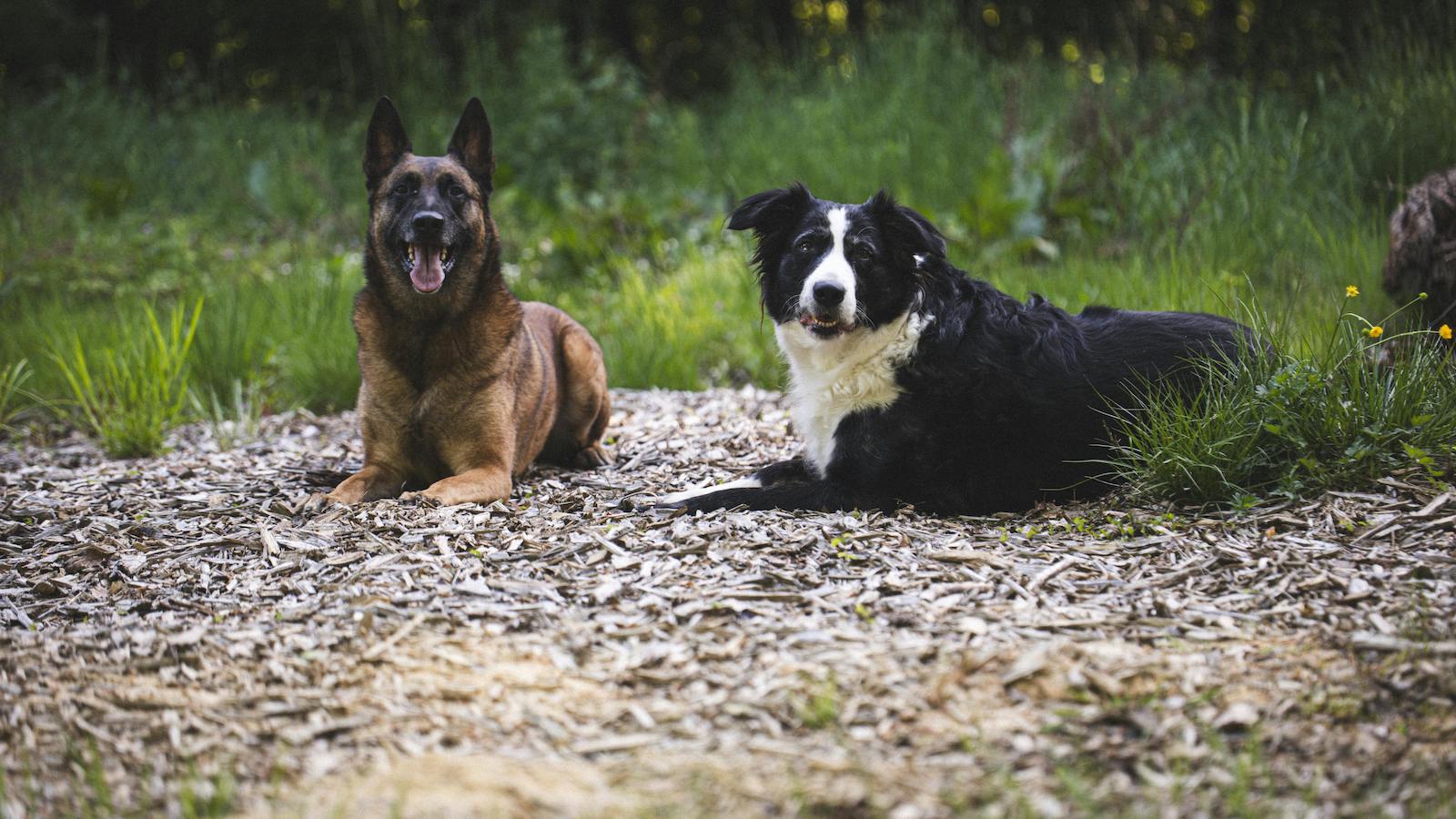
At least 94 million families own a pet in the U.S., yet just one in 10 rental properties allow animal companions without restrictions. In the context of a housing affordability crisis that is driving more Americans to rent, many face the inevitable question of whether to choose convenient housing or their pets.
Property managers and insurers alike face continued uncertainty around pet-related liability in this scenario. Many are left with no choice but to fall back on blanket restrictions; when lacking documentation reigns, these stakeholders operate blind.
With the average dog-related insurance claim now hitting nearly $69,000, managers and insurers can no longer afford one-time approvals or all-encompassing measures; dog bite claims specifically have risen over 48% in the past decade.
Meanwhile, communities increasingly demand both pet-friendly environments and safe, fair and forward-looking processes from their insurers.
Nuance in underwriting
Risk models rest on flawed assumptions, policies may not match real-world conditions, and when claims do arise, they depend on interpretation more than on established facts. Pet risks get obscured, and are quietly shifted to insurance carriers.
A property, for example, allows for all dogs under 25 pounds, because managers assume they pose less risk than a 100-pound Rottweiler. A tenant then signs a lease, and with them comes a Chihuahua with a long history of aggression: it has bitten humans and, once, latched onto the upper lip of a neighboring Rottweiler.
The lease insurance policy does not capture such nuance. Months later, when the Chihuahua bites a visitor, an insurance agent is contacted, and the claim is evaluated: the insurer could interpret the situation as "small dog equals low risk," or not. Without consistent and accurate record-keeping, coverage might be disputed or delayed.
Alternatively, if a blanket ban is imposed, the Chihuahua will probably still be living in the property – out of sight, until a problem occurs.
Precedents attesting to the complexity have long been set. In California's landmark 1995 Donchin v. Guerrero case, Alpha Donchin and her Shih Tzu were attacked by two Rottweilers that escaped from a rental property four blocks away, leaving her with a broken hip. The property manager denied knowing the Rottweilers even existed in his property, yet they had escaped through a damaged fence, resulting in the court ruling liability; he knew, or should have known, about his tenant's dogs and their aggressive behavior.
Risk does not need to be unknown. New approaches, including standardized pet screening, continuing documentation and compliance, data-driven risk insights, proactive mitigation measures, and risk-based insurance policies can make liabilities quantifiable.
Solutions combining pet screening with dog bite insurance are new, but very much needed. Consistency in processes can be tracked – including everything from emotional support animal verification to vaccination monitoring and document management –, flexibility poses wins for all parties involved, fast screening offers convenience, and new revenue is generated through responsible pet ownership programs and curing manual screening costs.
Why is the insurance industry lagging?
One size does not fit all. Restrictions, including banning certain breeds, sizes, weights, behavioral requirements, or vaccinations are not born from previous negative experiences, but rather indirect sources of concern. Because of a lack of information, managers and insurers alike also tend to overestimate costs associated with pets.
Bottom line, there is no way to analyze risk without getting the complete picture. In looking at pet insurance, this industry golden rule rings even truer. For too long, rentals have relied on vague and outdated restrictions that leave tenants and managers in the dark; traditional safeguards like breed discrimination are not strong predictors of a pet's behavior.
Legislation is already catching up. Last year, a Florida County Council required owners of "dangerous" dogs, excluding specific breeds but including those who had severely injured other animals without provocation more than once, to carry at least $500,000 of liability insurance. But even here, terminology like "trained to attack" or "bred for fighting" are poorly defined.
Standard homeowner policies, however, continue to provide from $100,000 to $300,000 on average in liability coverage. To mitigate this gap, stakeholders have turned to exclusion rather than innovation: blanket bans from tenants or limitations in coverage, with some carriers refusing to write insurance for renters with animals. It is now time to catch up.
Measurable pet injury liability
Accurate pet screening must be combined with liability coverage to make dog bite risk quantifiable. Teams must have access to all-encompassing systems that help verify pets, track vaccinations and documentation, manage compliance and maintain consistent records.
For example, traditional policies recognize that multi-family properties face higher liability exposure than single-family homes because of their communal components: shared walls, common areas, multiple tenants, and manager responsibility for maintenance of spaces. Yet, cases like Donchin v. Guerrero demonstrated high risk also exists by merely living in residential areas, regardless of whether tenants rent apartments or single-family houses.
Vulnerability should be analyzed individually, proactively, and consistently: pets screened singly, risks minimized both before animal companions move in and during their tenancy, and liability coverage must reflect these nuances.
There is already evidence of managers setting up these good practice pillars by setting up pet meetings prior to lease signing, for instance, but these have proved futile in many cases; pet bite claims remain alarmingly high.
Expecting stakeholders to manually follow up with pet records, vaccination requirements, and bookkeep audit-ready documentation as data becomes more granular is also increasingly unrealistic.
This is where technology, in the form of AI-powered automation, centralized real-time insights, and integrated application programming interfaces (APIs), comes into play. Such a measured approach supports premium adjustments, deductibles or coverage caps, rather than relying on traditional – and often ineffective – pet bans.
Five pillars that guide technological adoption in pet-related insurance claims:
- Centralization: Portals that integrate pet approvals and bundled dog bite coverage reduce breed bias, ensure compliance and reduce liability.
- Customization: Managers can set their individual pet approval criteria that align with insurance policies.
- Automation: Streamlining of resident onboarding processes reduces staff time spent on pet approvals.
- Derisking: Minimize liability and discrimination risk with standardized and transparent processes and records.
- Inclusivity: Objective scoring model that reduces bias and promotes transparency.
This change in paradigm offers more than the peace of mind for managers and insurers; it also supports community-building, the promotion of longer tenancies, and better communication.
In the end, pet bite liability and provisions to support all stakeholders involved have shown the real power insurers can leverage, for the benefit and betterment of communities.
The next step, then, will come from them, as processes are smoothed out through technologies, responsible parties assume the eagle-eyed view that is now required, and seize the opportunity to move from reactive to proactive.