January 2026 ITL FOCUS: Life & Health

ITL FOCUS is a monthly initiative featuring topics related to innovation in risk management and insurance.

itl focus
 

FROM THE EDITOR

Life insurance is having a moment.

At the start of the insurtech movement, some dozen years ago now, property/casualty took the lead on innovation, to the point that some brave folks even set up full-stack carriers that they claimed would turn the market on its head. Life insurance was the poor cousin. Yes, carriers pushed toward fluidless underwriting and reducing the number of questions on application forms, but life insurance pretty much stuck with traditional products and the same old, same old ways of selling coverage.

No longer. Based on the articles thought leaders are publishing on ITL, life insurers have their foot on the gas pedal.

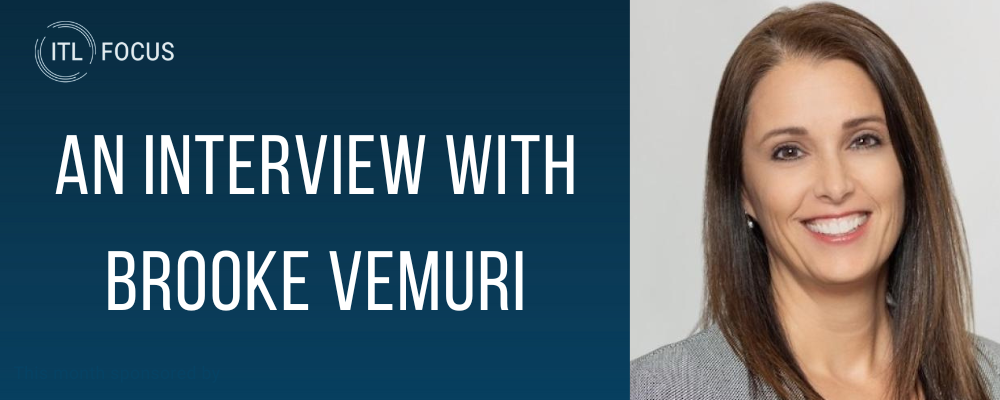
Much of the reason is, of course, generative AI. It is creating the sorts of opportunities for radical improvements in efficiency and for coaching agents on selling tactics that Brooke Vemuri, vice president of IT and innovation at Banner Life and William Penn, describes in this month’s interview. Gen AI is also allowing for a sharp increase in personalization, based both on how agents want to sell and on how and what prospects want to purchase, as Brooke explains.

But more than Gen AI is afoot.

The growth of the “sandwich generation”—people caring both for elderly parents and for their own children—is creating an opportunity for product innovation. So are all the young people entering the work force, many of whom are more interested in “living benefits” rather than the death benefit. The wave of Baby Boomers retiring, together with a strong stock market, is creating opportunities for annuities and for disability and long-term-care insurance.

Meanwhile, private equity is increasingly demanding innovation from life insurers, as Mick Moloney of Oliver Wyman explained in a lengthy conversation I had with him. PE firms are buying insurers partly to gain access to their investment funds, which the firms then use to make acquisitions—a la what Warren Buffett has done with Berkshire Hathaway. The PE firms also believe that insurers they buy will gain an advantage, because the firms have historically outperformed the stock and bond markets, where life insurers have traditionally parked their funds. Whatever their reasoning, the PE firms squeeze efficiencies out of the companies they buy, and other life insurers have to keep up. (One caveat is embodied in a recent New York Times article, which says PE firms are going through a bad spell. The industry has become so large and bought so many companies that the low-hanging fruit has been harvested, so outstanding returns are harder to come by.)  

I think you’ll be intrigued and heartened by the interview with Brooke and by the six articles I’ve included in this month’s ITL Focus.

And stay turned. There is a lot more coming.


Cheers,

Paul


An Interview

The New Look for Life Insurance

Paul Carroll

You’ve written for us about the need for hyper-personalization in life insurance. Would you start us off by describing what that looks like in practice, as well as how it differs from how life insurance has historically been handled?

Brooke Vemuri

I've been in the life insurance business for 23 years, working in both technology and operations, so I've seen firsthand the evolution from moving physical forms around the building—we had folders, and we put them in carts, and we drove them around to our underwriters—to where we are today. We've crossed a lot of hurdles over the last 20 years.

Now we're in a place where we have intelligent automation and a digital application process. Over the past few years, this has meant having an event-driven, rules-based system that allows us to capture the right application questions, then run rule sets underneath, call third-party data, and do all the things we need to amalgamate and come together on a decision. That change was hard to get across the line, but we've arrived and are doing very well as a result.

read the full interview >


MORE ON LIFE & HEALTH

Living Benefits Must Redefine Life Insurance

by Luca Russignan

Life insurers face declining relevance among under-40 consumers, who demand living benefits over traditional death coverage.
Read More


Mortality Impact of GLP-1 Drugs

by Richard Russell, Andrew Gaskell, Raman Lalia, Craig Armstrong, Chris Falkous

RGA study finds incretin drugs could reduce mortality up to 8.8%, so insurers should reassess assumptions.
Read More


phones

Disability Planning Creates Growth Opportunity

by Chris Taylor

Traditional disability planning approaches are inadequate, as carriers confront a rapidly expanding market demanding specialized products.
Read More


hands in a meeting

An Untapped Life Insurance Market

by Denise McCauley

The sandwich generation's dual caregiving burden creates substantial insurance opportunities while exposing critical coverage gaps nationwide.
Read More


This Is Not How Insurance Should Be Sold

by Bruce Elkins

Final expense call centers prioritize speed over service, creating predatory practices that target vulnerable senior populations.
Read More
megaphones

Strong Growth for Life-Annuity Forecast Through 2027

by Scott Hawkins

Strong earnings forecast through 2027 gives life-annuity insurers opportunity to adapt strategy, not just enjoy conditions.
Read More


Insurance Thought Leadership

Profile picture for user Insurance Thought Leadership

Insurance Thought Leadership

Insurance Thought Leadership (ITL) delivers engaging, informative articles from our global network of thought leaders and decision makers. Their insights are transforming the insurance and risk management marketplace through knowledge sharing, big ideas on a wide variety of topics, and lessons learned through real-life applications of innovative technology.

We also connect our network of authors and readers in ways that help them uncover opportunities and that lead to innovation and strategic advantage.

MORE FROM THIS AUTHOR

Read More