Surging demand for artificial intelligence is reshaping the data center landscape at a remarkable pace. McKinsey projects that companies will invest nearly $7 trillion in data center infrastructure globally by 2030, with more than 40% of that spending concentrated in the U.S.
Much of the near-term opportunity is on the development side, with new construction ranging from ground-up hyperscale builds to core-and-shell projects that will eventually be converted into data centers. Beyond new construction, market activity is also being driven by owners and operators of existing facilities, ranging from colocation providers to large enterprises managing their own infrastructure.
As a class, data centers present property insurance exposures that differ significantly from other commercial risks. Understanding the full scope of exposures and the coverage required to address them is critical to building an insurance program that responds as expected when a loss occurs.
TOP EXPOSURES AND RISKS
While data centers are designed for resiliency, meaningful exposure still exists across every stage — from construction and commissioning to continuing operations — and extends beyond the physical asset itself.
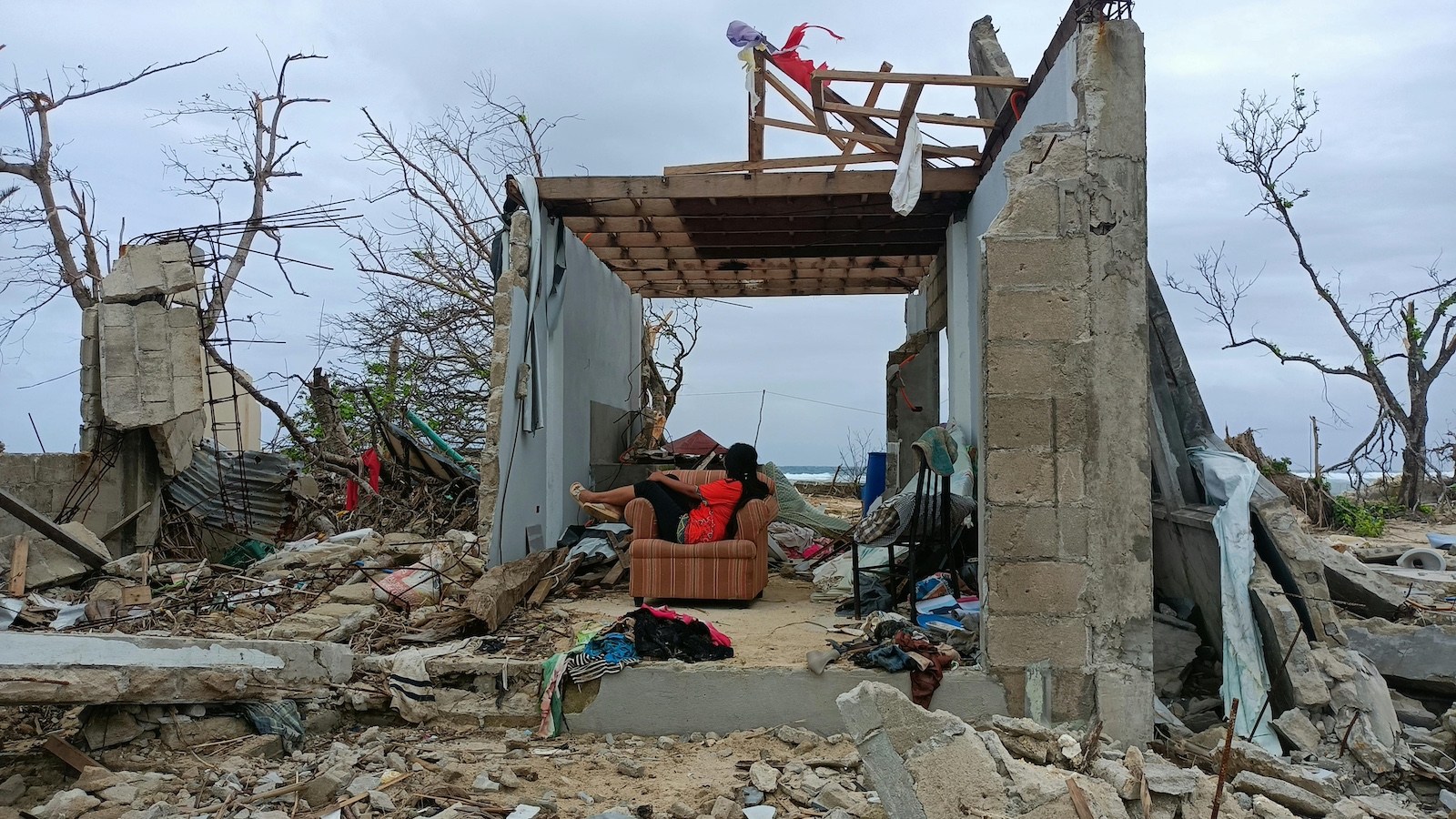
Business interruption and downtime are the primary concerns. These facilities are built for continuous uptime that developers and owners depend on, meaning even a brief outage can generate a significant claim. Location compounds that exposure. Data centers are increasingly being built in areas where severe weather is common, considerably raising the risk for catastrophic losses. Even if a major weather event takes a facility offline temporarily, it can produce revenue losses that far exceed the physical damage. As such, carriers are focusing attention on loss control, engineering standards, business continuity and disaster recovery planning. They want confidence that construction can resume at a development site or that a facility can return to operations quickly after a disruption.
Secondary exposures also complicate the risk picture. These include:
- Power and grid reliability. Power disruptions stemming from grid instability, utility constraints, or insufficient local infrastructure are increasingly common. When operational disruptions occur that don't involve physical damage to the facility, a standard property policy may not respond to losses.
- Community opposition and project approval risk. Public pushback has become a defining obstacle to data center development. Last year saw 25 project cancellations — more than quadruple from 2024 — largely driven by intensifying community opposition across the country. Access to the power grid and water supply are among the most common sticking points, with the potential for municipal resistance to derail projects persisting well into the development process.
- Equipment procurement delays. Waitlists are already common for critical, high-value components that are in short supply. If equipment is damaged, stolen or lost in transit, sourcing replacements can further extend a project.
SPECIALIZED COVERAGE TYPES TO CONSIDER
A standard property policy covering physical damage and business interruption is foundational, but data centers frequently require additional layers to address the range of exposures that fall outside traditional coverage triggers.
Builder's risk coverage addresses the construction phase — a critical window of exposure for data center projects. With contractors, lenders, and third-party operators all at the table, each with their own coverage requirements, structuring a program that satisfies every stakeholder is critical.
Parametric and alternative risk transfer products are increasingly relevant for data centers, particularly when the cause of a financial loss doesn't stem from physical damage. Parametric coverage, captive structures, and self-insurance components can be structured to fill gaps where a standard policy doesn't respond. They can also serve as deductible buy-downs on programs with large retentions as well as supplemental capacity where needed.
Transit, cargo, or stock throughput policies are essential given the value of equipment moving through the supply chain. Millions of dollars in power equipment, servers and GPUs may be in transit, held in interim storage, or staged on-site before a facility is operational. If something goes wrong at any point in that chain, both replacement costs and project delays can escalate quickly.
Environmental insurance is worth considering for new construction, given the scope of ground-up development activity and its potential effect on the surrounding site and community. Contamination, pollution, and construction-related environmental liability are exposures that a standard property policy won't address.
Political risk insurance is particularly relevant for international projects. Geopolitical instability, strikes, riots, and government actions can affect data center operations in ways that generate both physical and financial loss.
WHAT THE CURRENT INSURANCE MARKET MEANS FOR OWNERS AND OPERATORS
The property insurance market is in a soft cycle, with data centers largely seen as a desirable class of business. Some insurers are deploying staggering single-line limits on data center risks, which translates to more options and more competitive terms for owners and operators. This is a welcome stance as many lenders and other sources of capital currently require full value limits of insurance vs. limits set by modeled losses based on probabilities and site attributes.
But questions remain as to whether that dynamic will last. Data centers remain a relatively untested class, and how the market responds when significant losses arrive is still an open question. Owners and operators who use the current environment to structure comprehensive, well-designed programs will be better positioned as conditions evolve.