





Health plans, their insurers, employer and other sponsors, and business associates should review critically and carefully the adequacy of their current HIPAA Privacy and Security compliance policies, monitoring, training, breach notification and other practices.
A rapidly building wave of innovative new care and payment models will lead to breakthroughs in healthcare. The winners in the next epoch of healthcare will be those that have agility in contrast to the lumbering nature of traditional healthcare systems.
Who would work harder, take that extra job, or seek a promotion when most of the added earnings would be taxed away or government benefits are reduced?
One scenario is that when CMS/Medicare learns (and they will) it has been paying for work comp-related medical care, it will seek repayment from the claimant. The claimant, having spent the work comp settlement, will be unable to pay. Ultimately, it will be the employer and/or insurance carrier that will be held accountable.
Protecting people from financial responsibility for healthcare exposes them to risks by encouraging them to remain uninvolved in care decisions. Payment decisions cannot be separated from care decisions because true ownership requires control of both. It's critical that employers understand how plan design can encourage employees to be rationally informed.
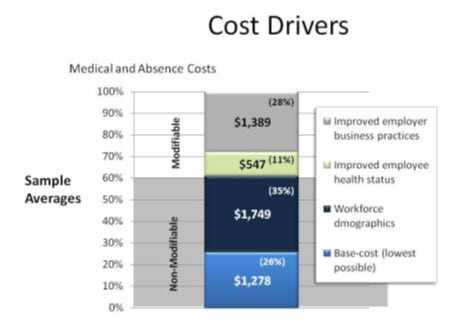
Employers invest billions of dollars in health improvement and health management to try to control costs, yet many overlook an even larger opportunity to reduce benefit costs by aligning incentives with their business practices in ways that do not require additional investments. Ignoring such obvious opportunities leaves huge potential for business performance unrealized. We are pleased to include a video interview with Ms. Lynch with this article through a special media partnership with WRIN.tv.